Commercial Storm Damage Restoration After a Hurricane
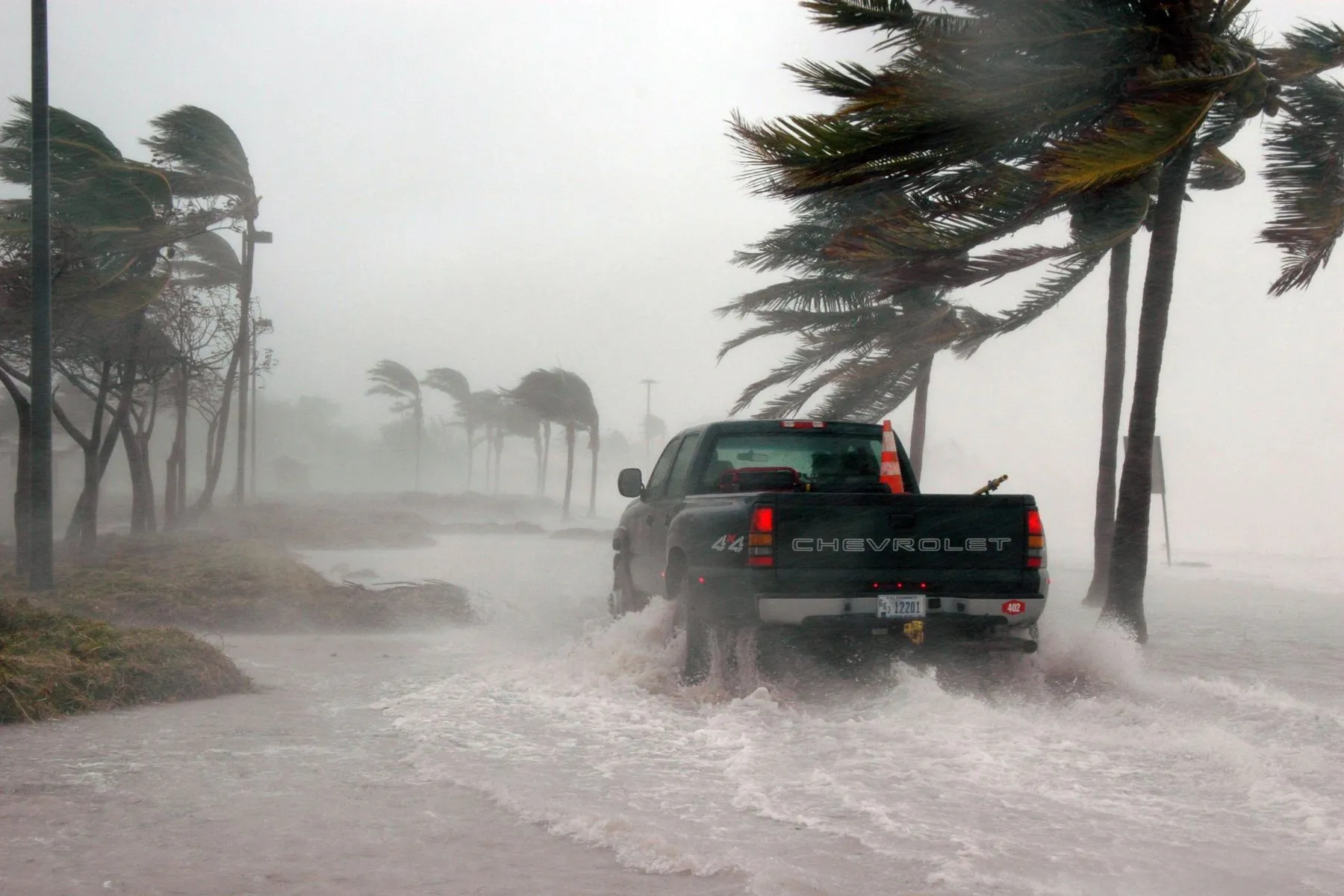
Every day a commercial property stays closed after a storm costs more than the repair itself. Payroll continues, leases continue, and customers find somewhere else to go.
That pressure is what makes commercial restoration a different job from residential. The work has to be sequenced so parts of the building can reopen while the rest is still drying.
Here is what commercial property owners and managers should know about storm damage after a hurricane, what to document, and how restoration is handled on a building rather than a house.
Why Commercial Storm Damage Is Different From Residential
Scale
A flooded 20,000 square foot floor plate needs far more extraction and drying equipment than a house, and the power to run it, which is often the first constraint after a storm.
Roof Type
Flat and low-slope commercial roofs hold water rather than shedding it, so a membrane that tears or a drain that clogs during a storm can put water across a whole ceiling grid instead of into one room.
Everyone Involved
A commercial loss usually has tenants, a landlord, a property manager, an insurer and sometimes a lender, and the restoration has to keep all of them informed as it goes.
The First Day After the Storm at a Commercial Property
The first hours decide how much further damage the building takes and how strong your claim file will be.
Securing the Building
- Confirm the power is off to any flooded area before anyone enters, and have an electrician clear panels and equipment that sat in water.
- Cover roof openings and broken glass as soon as it is safe. Most commercial policies require reasonable steps to prevent further damage, and an unsecured building keeps taking on water with every band of rain.
- Check elevators, fire alarm panels and sprinkler risers. Equipment that took water usually needs inspection before the building can be occupied again.
Documenting Damage for a Commercial Claim
- Wide shots of each affected area with the water line visible
- Close shots of damaged finishes, fixtures and equipment
- Roof photos showing the failure point, taken safely
- Model and serial numbers for HVAC, electrical and kitchen equipment
- Inventory and stock losses, counted and photographed
- Daily logs of who was on site and what work was done
- Invoices for board-up, equipment rental, generators and temporary measures
Where Storm Water Does the Most Damage in Commercial Buildings
- Suspended ceiling grids, where saturated tiles fall and insulation above stays wet
- Drywall partitions, which wick water upward from the slab through every tenant space they cross
- Carpet tile and glue-down flooring over concrete, which can trap moisture for weeks
- Elevator pits and mechanical rooms, usually the lowest point in the building
- Electrical panels, data closets and server rooms
- Stock, inventory and records held at floor level
How Commercial Storm Damage Restoration Works
Emergency board-up and roof tarping
Openings are secured first so the building stops taking on water, which also satisfies the duty most policies place on the owner to limit further damage.
Assessment and scope
The affected areas are mapped with moisture readings, and the scope is built around which spaces need to reopen first.
Water extraction
Standing water is pumped and extracted, starting with mechanical spaces and the lowest levels.
Selective demolition
Wet ceiling tile, insulation, drywall and flooring are removed. Drywall is cut above the visible water line because water wicks upward through the material.
Structural drying
Air movers and dehumidifiers are placed by area, with containment used so one zone can dry while an adjacent zone stays open for business where that is possible.
Cleaning and sanitizing
Surfaces are cleaned and treated, which matters more where the building serves food or patients.
Reconstruction. Finishes, flooring and fixtures are rebuilt once the structure reads dry.
Commercial restoration on a storm loss usually runs alongside storm damage restoration and water damage restoration, since the roof and the interior are both in play.
Business Interruption and Commercial Property Coverage
Commercial property policies and business interruption coverage are separate things, and they often pay on different triggers.
Property coverage addresses the building and its contents. Business interruption addresses lost income during the period of restoration, which is usually defined by how long repairs reasonably should take rather than how long they actually take.
That definition is why documentation of the restoration timeline matters. A clear daily record of drying, demolition and rebuild supports the period you are claiming.
Flood coverage is separate again. Rising water from surge or street flooding generally falls outside a standard commercial property policy, so a building that took both wind-driven rain and rising water may have two claims running at once.
Reopening Requirements for Restaurants, Clinics and Other Regulated Spaces
- Food service and medical spaces carry requirements beyond drying the building. Local health authorities may require inspection before reopening, and surfaces that contacted contaminated water usually need documented cleaning.
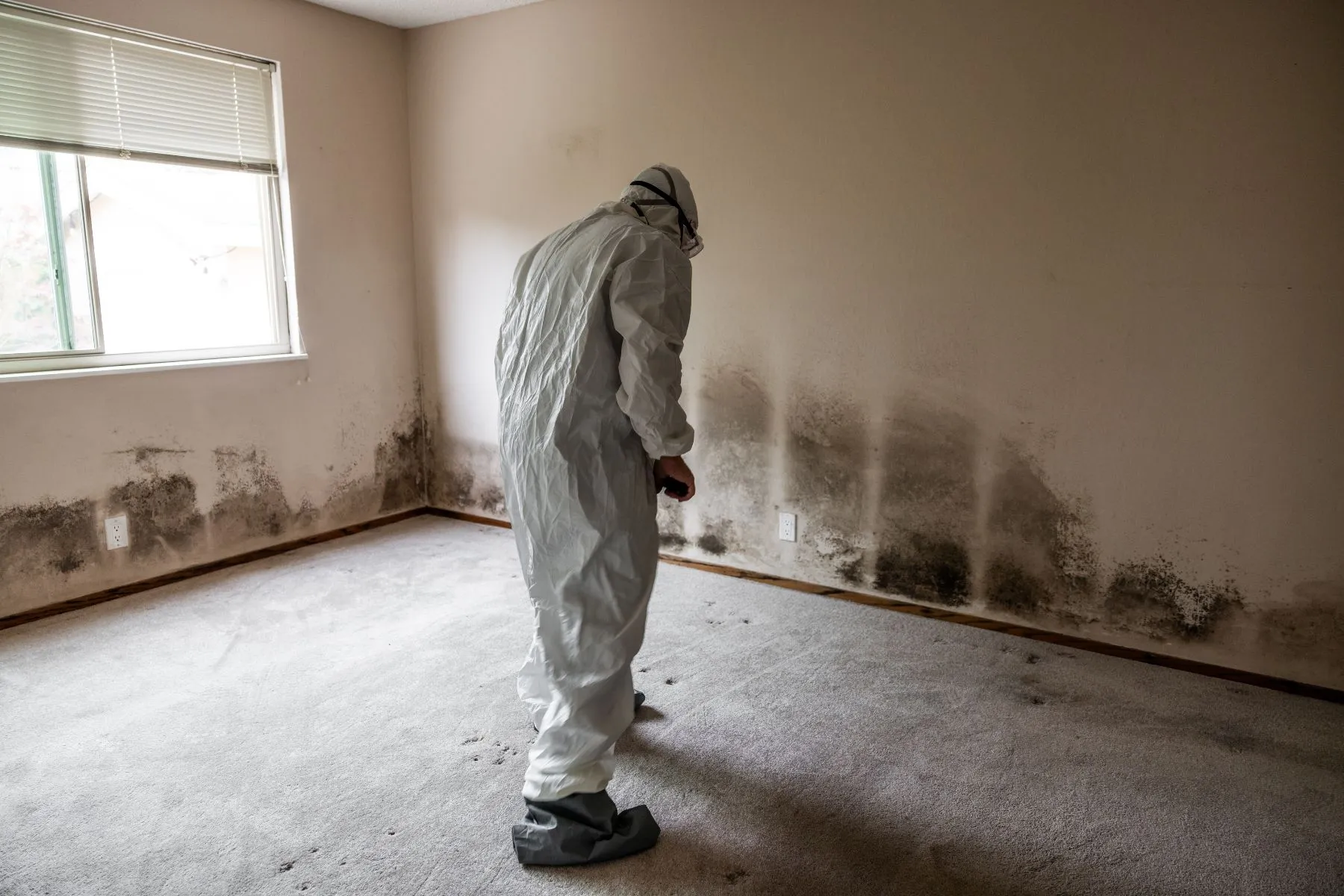
- Flood water is treated as contaminated, which means porous materials it touched generally come out instead of being cleaned, and the space is treated before it goes back into service. Sanitization services and mold remediation are often part of the reopening path rather than optional extras.
Reducing Downtime Before the Next Storm
- Clearing roof drains and scuppers ahead of hurricane season keeps water moving off a flat roof instead of ponding on it.
- Moving stock, records and equipment off floor level in storage and mechanical areas limits what a few inches of water can take out.
- Knowing where the shutoffs are, keeping a current contact list for tenants and the insurer, and having a restoration provider identified before the storm all shorten the gap between the water stopping and the work starting.
911 Restoration: 24/7 Commercial Storm Damage Response
911 Restoration handles commercial storm and water damage for offices, retail, restaurants, medical buildings and industrial properties, including New Orleans and the surrounding parishes, Jackson and central Mississippi, Tampa Bay, metro Atlanta and Nashville.
Crews are available 24 hours a day, with a typical arrival goal of 45 minutes. After a widespread storm, arrival depends on road conditions and how many emergencies are open at once.
Board-up, water removal, structural drying, sanitizing and reconstruction are handled by the same team, so there is one point of contact from the first call through to a building back in service.
Need Commercial Storm Damage Help Now?
Contact 911 Restoration for 24/7 emergency service.