From the neighborhoods of New Orleans and the Jefferson Parish communities of Metairie and Kenner, across the river to St. Bernard Parish's Arabi and Chalmette and St. Charles Parish's Destrehan, Norco, and St. Rose, north across Lake Pontchartrain to the St. Tammany North Shore communities of Slidell, Mandeville, Madisonville, Lacombe, Pearl River, and Covington, and west through Tangipahoa Parish's Hammond, Ponchatoula, Livingston, and Springfield to Baton Rouge, Denham Springs, Gonzales, and Prairieville, our IICRC-certified technicians serve one of the most geographically and climatically complex restoration territories in the country. Whether you're dealing with hurricane storm surge flooding, Amite River or Tangipahoa River overflow, chronic New Orleans street and basement flooding from summer thunderstorms, year-round subtropical mold, or fire damage, we arrive within 45 minutes. We serve homeowners, hospitality and tourism industries, oil and gas operations, universities and healthcare campuses, and businesses throughout greater New Orleans and the Gulf South, available 24 hours a day, every day of the year.
Gulf hurricane and tropical storm surge flooding, chronic New Orleans street flooding from overwhelmed drainage, Amite River and Tangipahoa River overflow in the Livingston and Tangipahoa Parish communities, and plumbing failures throughout the metro. 24/7 response.
Learn More →Complete fire and smoke damage restoration across the metro — from New Orleans's historic shotgun houses and Creole cottages through the Metairie and Kenner suburbs to the North Shore communities and the Baton Rouge corridor.
Learn More →Greater New Orleans is one of the most mold-prone regions in the country — year-round subtropical heat and humidity, 60 inches of annual rainfall, and a history of hurricane flooding create pervasive mold conditions. Certified remediation throughout the territory.
Learn More →Emergency sewage cleanup for New Orleans's and Metairie's aging municipal infrastructure and the private septic systems throughout the North Shore and Livingston and Tangipahoa Parish communities — with biohazard-standard 24/7 response.
Learn More →Rapid restoration for New Orleans's hospitality and tourism industry, the Port of New Orleans, LSU and Ochsner Healthcare in Baton Rouge, oil and gas corridor facilities along the River Road, and businesses throughout the full territory.
Learn More →From Gulf hurricane structural rebuilds along the coast and Amite River flood restoration inland to fire damage reconstruction of historic New Orleans architecture — one local company serving the full territory, no subcontractors.
Learn More →Certified biohazard and crime scene cleanup serving law enforcement, hospitality property managers, and families throughout greater New Orleans, the North Shore, and the Baton Rouge corridor with full Louisiana regulatory compliance.
Learn More →EPA-approved disinfection for New Orleans homes and hotels, hospitality properties, oil and gas facilities, university healthcare campuses, and commercial properties throughout the greater New Orleans metro and Baton Rouge corridor.
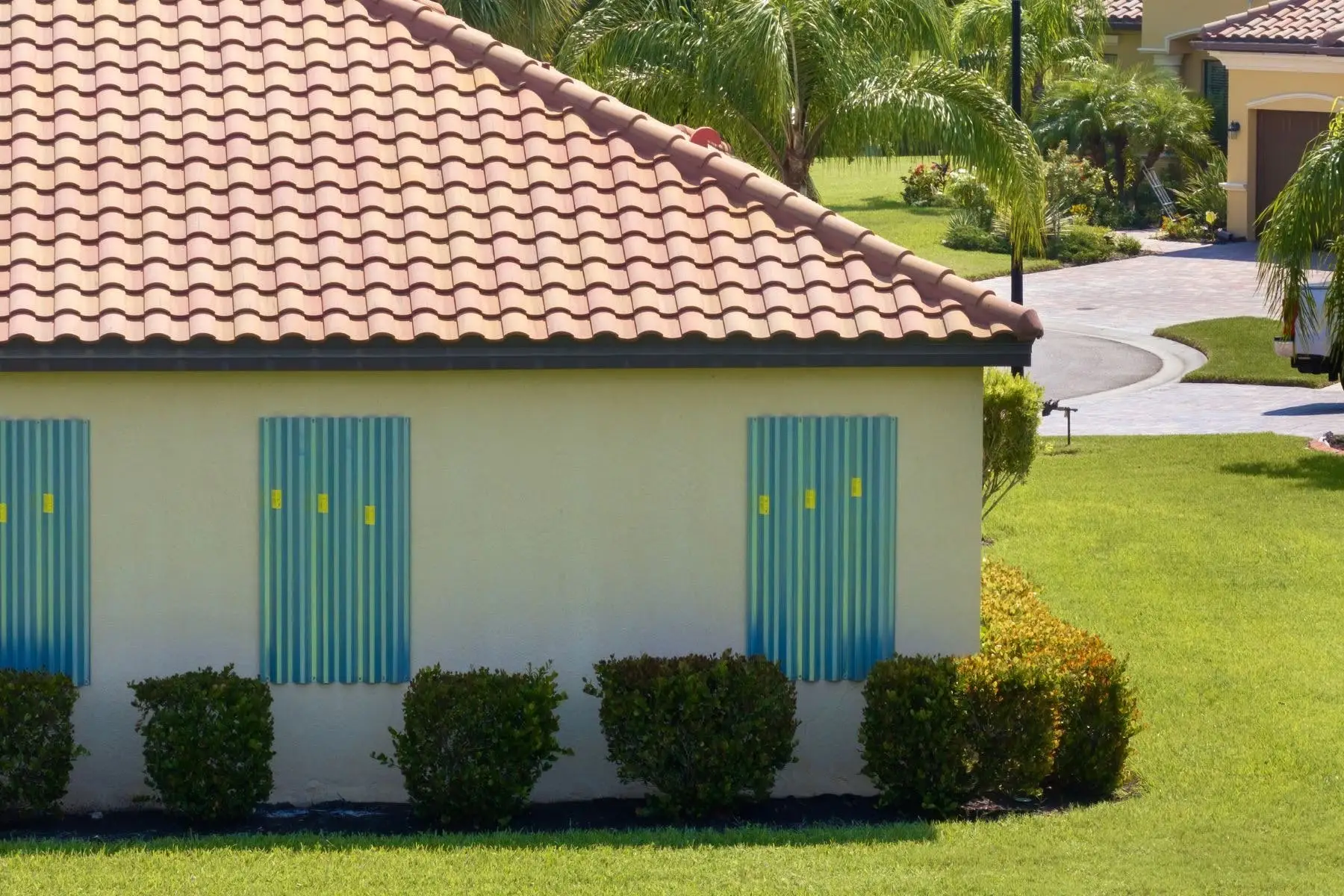
Learn More →Immediate response to Gulf hurricanes and tropical storms, Amite River and Tangipahoa River flooding, severe summer thunderstorm flooding throughout New Orleans, and tornadoes throughout the territory.
Learn More →New Orleans exists in a unique hydrological relationship with water. The city sits at or below sea level — much of Orleans Parish sits between 1 and 6 feet below sea level — and is surrounded by the Mississippi River to the south and west, Lake Pontchartrain to the north, and Lake Borgne to the east. The city's survival depends on a system of levees, floodwalls, and drainage pumps that together manage the water that would otherwise inundate the metropolitan area. That system works under normal conditions. Under the conditions a major Gulf hurricane creates — with storm surge pushing water from the Gulf northward into Lake Borgne and Lake Pontchartrain, raising lake levels and stressing the levee system from multiple directions simultaneously — the margin for error is narrow and the consequences of system failure are severe. The Gulf South's recurring hurricane seasons mean these conditions arrive repeatedly across the decades, and the communities of the greater New Orleans metro have experienced their consequences across their history.
Beyond hurricanes, New Orleans faces chronic water management challenges that are specific to its geography. Summer thunderstorms — which arrive with extraordinary regularity from June through September — can dump several inches of rain in an hour, and the city's drainage pump system, while extensive, operates at capacity during the most intense events. Street flooding in New Orleans during significant summer storms is not an anomaly; it is a predictable feature of the urban landscape that residents plan for. Properties in lower-lying neighborhoods are particularly vulnerable. Inland through the territory, the Amite River basin — draining into Lake Maurepas and encompassing Denham Springs, Livingston, Denham Springs, and the Tangipahoa Parish communities — faces its own recurring flooding dynamic from the inland precipitation events that can overwhelm the basin regardless of what is happening on the Gulf Coast. Our team responds 24/7 to every water emergency across the full territory.
A fire leaves behind far more than visible damage. Smoke penetrates walls, ductwork, and personal belongings, and soot continues corroding surfaces long after the flames are out. In New Orleans's subtropical climate, fire-damaged properties face rapid secondary damage — the combination of extreme heat and high humidity that characterizes the region from April through October creates ideal conditions for mold to establish in fire-compromised wall cavities and structural spaces within days of the fire event. Board-up and property securing after a fire is essential not just for security but to limit the immediate mold exposure window in this climate.
Fire damage restoration in New Orleans carries specific architectural context. The city's historic housing stock includes shotgun houses, Creole cottages, double shotguns, and camelback constructions that are not found in comparable concentrations anywhere else in the country. These structures were built with materials and techniques — balloon-frame construction, cypress framing, wide-board pine flooring — that require experienced, knowledgeable restoration work to properly address. The French Quarter's historic masonry and the Garden District's Italianate and Greek Revival architecture present their own specific challenges. 911 Restoration of New Orleans provides full-service fire damage restoration throughout the full territory, from New Orleans's historic neighborhoods through the suburban communities and the North Shore to the Baton Rouge corridor.
Greater New Orleans is one of the most mold-prone regions in the United States. The factors driving that distinction are structural and climatic, not temporary: the city receives approximately 60 inches of annual rainfall — the highest of any major American city — distributed across all seasons. Summer relative humidity in the New Orleans metro routinely exceeds 80 to 90 percent from April through October. The city's position below sea level means that groundwater is never far from the surface, and properties throughout Orleans, Jefferson, and St. Bernard Parishes sit in a moisture environment that is more analogous to a coastal wetland than a typical urban setting. There is effectively no season when mold growth conditions rest in greater New Orleans.
The city's historic housing stock amplifies the mold risk. New Orleans's older homes — the shotgun houses, camelbacks, and Creole cottages that define the urban residential landscape — were built in an era before modern moisture barriers, vapor retarders, and waterproofing systems. Crawl spaces and slab-on-grade foundations throughout the metro sit in direct contact with the perpetually moist Louisiana soil. Properties throughout the metro that have experienced hurricane flooding, and which were not fully and professionally remediated after those events, carry active mold in wall assemblies, subfloor framing, and structural components that may not be visible but continues to progress. Any water intrusion event in this climate — a roof leak, a plumbing failure, or flooding — creates mold risk within hours. Our certified mold remediation specialists correct the moisture source and verify complete remediation throughout the territory.
Raw sewage is a Category 3 biohazard containing bacteria, viruses, and parasites that pose serious health risks to everyone in the affected property. Sewage backup in the greater New Orleans metro occurs across two primary contexts. In New Orleans's older neighborhoods — Mid-City, Broadmoor, Gentilly, and the established neighborhoods of Orleans and Jefferson Parishes — aging municipal infrastructure built for 19th and early 20th century conditions faces consistent stress during the intense summer thunderstorms that overwhelm the drainage system multiple times each year. The same summer storms that flood streets can push the sewer system past capacity and produce backups through floor drains. In the Livingston, Tangipahoa, and Ascension Parish communities, and throughout the North Shore's rural and semi-rural areas, private septic systems are the norm and face failure risk when the region's abundant rainfall saturates soils.
A critical point for post-hurricane flooding in New Orleans: hurricane floodwater in this city almost always contains sewage contamination from the municipal system. Properties that experienced flooding from any major storm event should be treated as having had sewage contact regardless of whether visible sewage was observed — the water and the sewer infrastructure are not separate systems when the city floods. Our team responds 24/7 throughout the full territory.
Greater New Orleans's commercial economy spans some of the most economically significant sectors in the Gulf South. Tourism and hospitality are foundational — New Orleans is one of the most visited cities in the United States, and the hospitality infrastructure serving that industry represents a massive commercial inventory where every hour of operational disruption carries direct and measurable financial consequence. The Port of New Orleans is one of the nation's five busiest ports by cargo tonnage, and the River Road petrochemical and refining corridor running between New Orleans and Baton Rouge along the Mississippi represents one of the most concentrated industrial manufacturing economies in the country. Baton Rouge — Louisiana's state capital and home to Louisiana State University and Our Lady of the Lake Regional Medical Center — anchors the eastern anchor of the territory with its government, education, and healthcare sectors. The North Shore has grown significantly as an alternative for families and businesses seeking higher-elevation communities with strong connections to the New Orleans economy.
911 Restoration of New Orleans serves all of it, 24 hours a day, every day of the year — with the understanding that in a hurricane-exposed market, the ability to respond immediately and at scale is not a differentiator but a baseline requirement.
When damage goes beyond surface-level cleanup, full reconstruction is the path forward. 911 Restoration of New Orleans manages the entire process from initial damage assessment through final finishing work for homes and businesses throughout the territory. We handle all damage types — from Gulf hurricane structural rebuilds and Amite River flood restoration to fire damage reconstruction, mold damage remediation requiring structural framing replacement, and post-storm rebuilds throughout the greater New Orleans metro and North Shore.
Our reconstruction team is experienced with the full range of building types found across this diverse territory — New Orleans's historic shotgun houses, Creole cottages, and camelbacks that require preservation-minded restoration; the older masonry and plaster construction of the French Quarter and the Marigny; the mid-century and newer construction of Metairie, Kenner, and the Jefferson Parish suburbs; slab-on-grade coastal construction throughout St. Bernard and St. Charles Parishes; and the full range of residential and commercial construction throughout the North Shore and inland communities.
911 Restoration of New Orleans provides certified biohazard and crime scene cleanup throughout greater New Orleans and the full territory. We work alongside law enforcement agencies, hospitality property management companies, and families across New Orleans, Metairie, Kenner, Chalmette, Arabi, Slidell, Mandeville, Madisonville, Hammond, Denham Springs, Baton Rouge, and all surrounding communities. Every job is handled with complete discretion, genuine compassion, and strict compliance with Louisiana Department of Health regulations governing biohazardous waste handling and disposal.
New Orleans's extreme heat and humidity make rapid response in biohazard situations especially critical — the temperatures and humidity that characterize the region from April through October significantly accelerate decomposition and pathogen spread, narrowing the safe professional response window compared to cooler, drier markets.
Professional sanitization services for New Orleans homes, businesses, and commercial properties throughout the full territory. Our EPA-approved disinfection treatments eliminate viruses, bacteria, and pathogens using hospital-grade products applied with electrostatic technology for complete surface coverage.
New Orleans's enormous tourism and hospitality sector — where hundreds of thousands of guests move through hotels, restaurants, and venues each year — creates consistent high-volume demand for professional disinfection at a documented and verifiable standard. Post-flooding disinfection throughout the metro is a core service requirement after any significant storm event. The River Road petrochemical corridor and Baton Rouge's industrial and healthcare sectors create consistent institutional demand throughout the western portions of the territory.
Greater New Orleans faces the most complex storm threat profile in the continental United States. The Gulf of Mexico sits directly to the south, and the warm waters of the Gulf fuel hurricane intensification throughout the Atlantic hurricane season from June through November. Gulf storms tracking northward approach the Louisiana coast across an extremely shallow continental shelf where surge can build to catastrophic heights — the combination of storm track, intensity, and the Gulf Coast's unique bathymetry makes the New Orleans metro among the most storm-surge-vulnerable urban areas on the planet. The Mississippi River Delta's low-lying coastal geography, the city's below-sea-level position, and the levee system that stands between New Orleans and the water surrounding it mean that major hurricane impacts on this region are categorically different in their destructive potential from most other American markets.
For the inland communities of the territory — Livingston and Tangipahoa Parishes in particular — the primary storm threat is not Gulf surge but the extraordinary rainfall that Gulf storms and upper-level atmospheric systems can deliver to the Amite, Tickfaw, and Tangipahoa River basins. These rivers have flooded to record levels during storm events that made little landfall impact on the coast itself, demonstrating that flooding risk in this region is not limited to the Gulf-facing communities. Tornadoes from Gulf storm systems and independent spring severe weather affect the full territory regularly. Our team responds immediately to all storm damage, 24 hours a day, every day of the year.
We answer your call any time for properties throughout New Orleans, Metairie, Kenner, Chalmette, Arabi, Destrehan, Norco, Slidell, Mandeville, Madisonville, Hammond, Denham Springs, Gonzales, and Baton Rouge — nights, weekends, holidays, and during active hurricane, tropical storm, and flooding events.
In New Orleans's climate, there is no safe waiting window after a water intrusion event. Mold growth in this heat and humidity can begin within hours — not days. Post-hurricane flooding requires immediate biohazard-standard response. Speed is not a preference here; it is a necessity.
Our team understands the specific challenges of this territory — New Orleans's below-sea-level geography and levee-dependent flood protection, the year-round subtropical mold conditions that make this one of the most mold-prone markets in the country, the biohazard contamination in hurricane floodwater, and the historic architecture that requires preservation-minded restoration.
We understand the pace, scale, and specific restoration requirements of post-hurricane recovery — from the immediate biohazard response required for contaminated floodwater through the long-term mold remediation and structural rebuilds that follow major storm events.
We work directly with your insurance company and handle documentation and billing on your behalf, simplifying the claims process for homeowners and businesses throughout greater New Orleans and the Baton Rouge corridor.
One local Louisiana company handles everything from emergency cleanup through complete reconstruction across the full territory. No handoffs, no gaps in accountability — even during and after major storm events.
Our restoration team typically arrives within 45 minutes of your call anywhere in New Orleans, Metairie, Kenner, Chalmette, and surrounding communities. We're available 24 hours a day, 7 days a week. Call (504) 504-4914 for immediate assistance.
Yes — and this is one of the most important things New Orleans property owners need to understand about post-hurricane cleanup. The floodwater that enters structures during a major storm in New Orleans is not clean water. It is a mixture of stormwater, sewage from overwhelmed and breached municipal systems, agricultural runoff, industrial chemicals from the river and surrounding areas, and the contents of every flooded structure it has passed through. By the time that water reaches your property, it has commingled with the contents of every sewer line, septic system, and underground infrastructure system that was submerged. Everything that floodwater contacted — flooring, drywall, framing, insulation, cabinetry — must be assessed at a biohazard standard and addressed accordingly. Standard water damage cleanup procedures are not sufficient. All wet materials below the floodwater line must be removed and the structural components behind them inspected, cleaned, and verified as mold-free before the space is rebuilt. Call (504) 504-4914 — we understand what post-hurricane cleanup requires and we handle it properly.
Yes. We work directly with all major insurance carriers and handle the documentation and billing process on your behalf. Our team thoroughly documents all damage and works with your adjuster directly, minimizing your out-of-pocket costs and stress throughout the claims process.
If it is safe to do so, shut off the water source, move valuables to dry areas, and avoid walking through standing water near electrical outlets or appliances. If you suspect floodwater or sewage contamination, do not enter the affected area without protective equipment. Do not use household fans to try to dry the space — in New Orleans's heat and humidity, this can accelerate mold growth. Do not attempt mold removal yourself. Our team will handle everything when we arrive.
Yes. We provide free on-site assessments and estimates for all restoration services throughout the territory. Call (504) 504-4914 to schedule your inspection.
We serve all of New Orleans and the Jefferson Parish communities of Metairie and Kenner; Arabi and Chalmette in St. Bernard Parish; Destrehan, Norco, and St. Rose in St. Charles Parish; La Place in St. John the Baptist Parish; Slidell, Mandeville, Madisonville, Lacombe, and Pearl River on the North Shore in St. Tammany Parish; Hammond, Ponchatoula, Springfield, Robert, and surrounding Tangipahoa Parish communities; Denham Springs, Livingston, Maurepas, French Settlement, and surrounding Livingston Parish communities; and Gonzales, Prairieville, and St. Amant in Ascension Parish, as well as Baton Rouge and East Baton Rouge Parish.
2 years ago
4 weeks ago
a week ago
6 days ago
a month ago
3 months ago
a month ago
3 weeks ago
a week ago
a week ago
5 months ago
a month ago