Hurricane Remnants Still Flood New England Homes
By the time a hurricane's remnants reach Maine, New Hampshire, Massachusetts, Rhode Island, or Connecticut, the storm has usually lost its hurricane status days earlier. That doesn't mean it's lost its ability to flood a basement or take down a tree onto a roof. New England homeowners who think hurricane season is a Gulf Coast and Florida problem are missing a real, recurring risk.
How Hurricane Remnants Travel from the Gulf to New England
Hurricanes lose strength once they move over land or cooler water, which is why most weaken from a hurricane to a tropical storm, then to a post-tropical or extratropical system, within a day or two of making landfall. But losing wind speed isn't the same as losing the storm.
Why a Downgraded Storm Still Reaches New England
Storm Recurvature Up the Eastern Seaboard
Once a system tracks up the Eastern Seaboard, it often merges with the jet stream and gets pulled northeast, sometimes picking up speed and moisture from the Atlantic along the way. This track, sometimes called recurvature, is common enough in late August and September that New England emergency planners build it into their seasonal outlook every year.
Why a Downgraded Storm Still Brings Heavy Rain
What arrives in New England by that point is usually rain, not wind. A weakened tropical system moving through can still dump several inches of rain in a short window, especially if it interacts with a separate frontal system already sitting over the region. That combination, remnant tropical moisture plus a stalled front, is responsible for some of the worst flooding events in New England's modern history, and none of those storms carried hurricane-force winds by the time they arrived.
Why "Post-Tropical" Doesn't Mean the Flood Risk Is Over
The category system that dominates hurricane coverage doesn't apply once a storm loses tropical characteristics, and that gap in labeling creates a false sense of security. A storm downgraded to "post-tropical" sounds like the danger has passed. Often it hasn't.
Saturated Ground and Aging Stormwater Systems
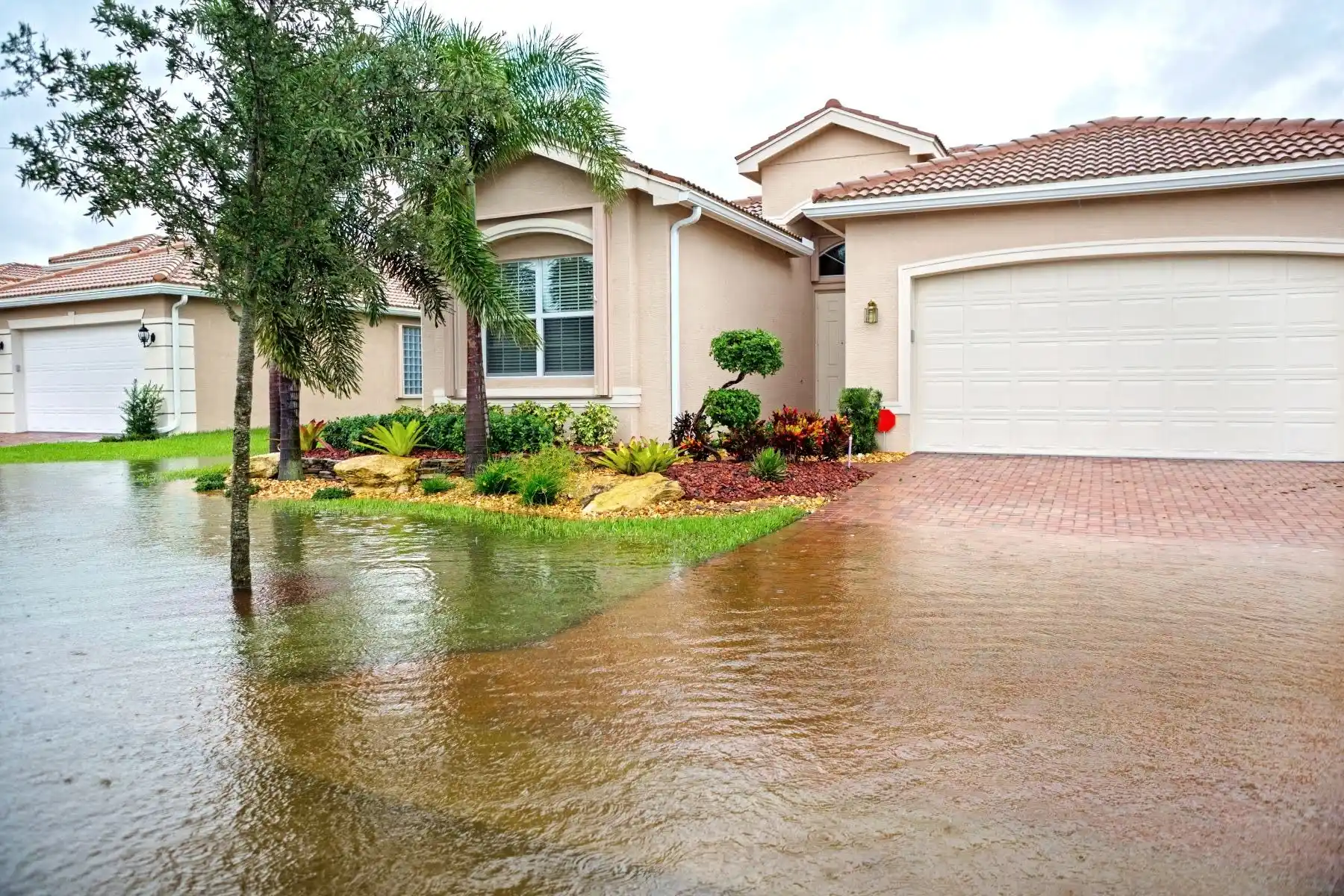
Ground that's already saturated from a wet summer can't absorb much additional rain, so even a moderate rainfall total from a weakening system can overwhelm drainage and cause flash flooding in low-lying areas. New England's older infrastructure, including stormwater systems designed decades before current rainfall intensity standards, adds to the risk. Streets and basements that handle a normal summer thunderstorm without issue can flood fast when several inches fall in a few hours from a tropical remnant.
Dense Tree Cover and Wind-Damaged Root Systems
New England's tree cover, denser than most of the hurricane-prone South, means wind gusts from a weakening system, even well below hurricane strength, can still snap limbs and drop trees onto roofs and power lines. Saturated soil from days of rain loosens root systems, so a tree that would have stood through a dry-weather wind event comes down instead.
Basement Flooding and Groundwater Risk in New England Homes
The damage pattern from a New England tropical remnant looks different from a direct hurricane hit further south. It's less about roof and window failure from wind, and more about water finding its way into basements, crawl spaces, and ground-floor rooms.
- Sump pumps that haven't been tested since spring often fail exactly when they're needed most
- Basement flooding from a saturated water table, rather than surface runoff alone, is a distinct problem in this region, since groundwater can rise and push into a foundation from below even if the surface drainage is holding
- That's a different failure mode than storm surge or flash flooding further south, and it requires checking sump pump function, clearing foundation drains, and knowing where the water table sits relative to the basement floor before the season's remnant storms arrive
Storm Damage Across Massachusetts and the Rest of New England
Coastal and near-coastal Massachusetts communities see this pattern play out most years, with late-summer and early-fall systems bringing heavy rain well after their tropical origin has faded from the forecast. 911 Restoration of Peabody responds to water damage from these events across Peabody and the surrounding North Shore area, where older building stock and dense tree cover both contribute to storm-related water intrusion.
Homeowners across the rest of New England, from coastal Maine down through Connecticut, face the same recurving-storm pattern each hurricane season, even in areas without a dedicated 911 Restoration branch nearby yet. The mechanics of the risk don't change by state line.
Local Coverage
Peabody and the North Shore
911 Restoration of Peabody responds to water damage across Peabody and the surrounding North Shore area, where heavy rain often follows a storm well after landfall.
Maine, New Hampshire, Rhode Island, and Connecticut
Homeowners across the rest of New England face the same recurving-storm pattern each hurricane season, even in areas without a dedicated branch nearby yet.
911 Restoration: 24/7 Storm Water Damage Response in New England
A storm doesn't need hurricane-force winds to flood a basement or bring down a tree. 911 Restoration's IICRC-certified crews respond to water damage from tropical remnants and every other kind of storm event, with direct insurance billing to keep the claims process moving. If your home has taken on water from a late-summer storm, find your local 911 Restoration branch for a fast response and a fresh start.