Hurricane Season Doesn't End When the Wind Dies Down
From the Texas coast to the Florida panhandle, September brings the Gulf's most dangerous stretch for mold: saturated ground, waterlogged framing, and weeks of humidity that never quite lets a building dry out. A roof leak that would dry out in three days in Denver can sit wet for two weeks in Houston or Mobile, and that's all the time mold spores need to take hold.
Why September Is the Gulf's Peak Mold Month
Water damage and mold are almost always the same problem at two different stages. Mold spores are already present in nearly every structure. What they're waiting for is moisture, and September on the Gulf Coast supplies it in three ways at once.
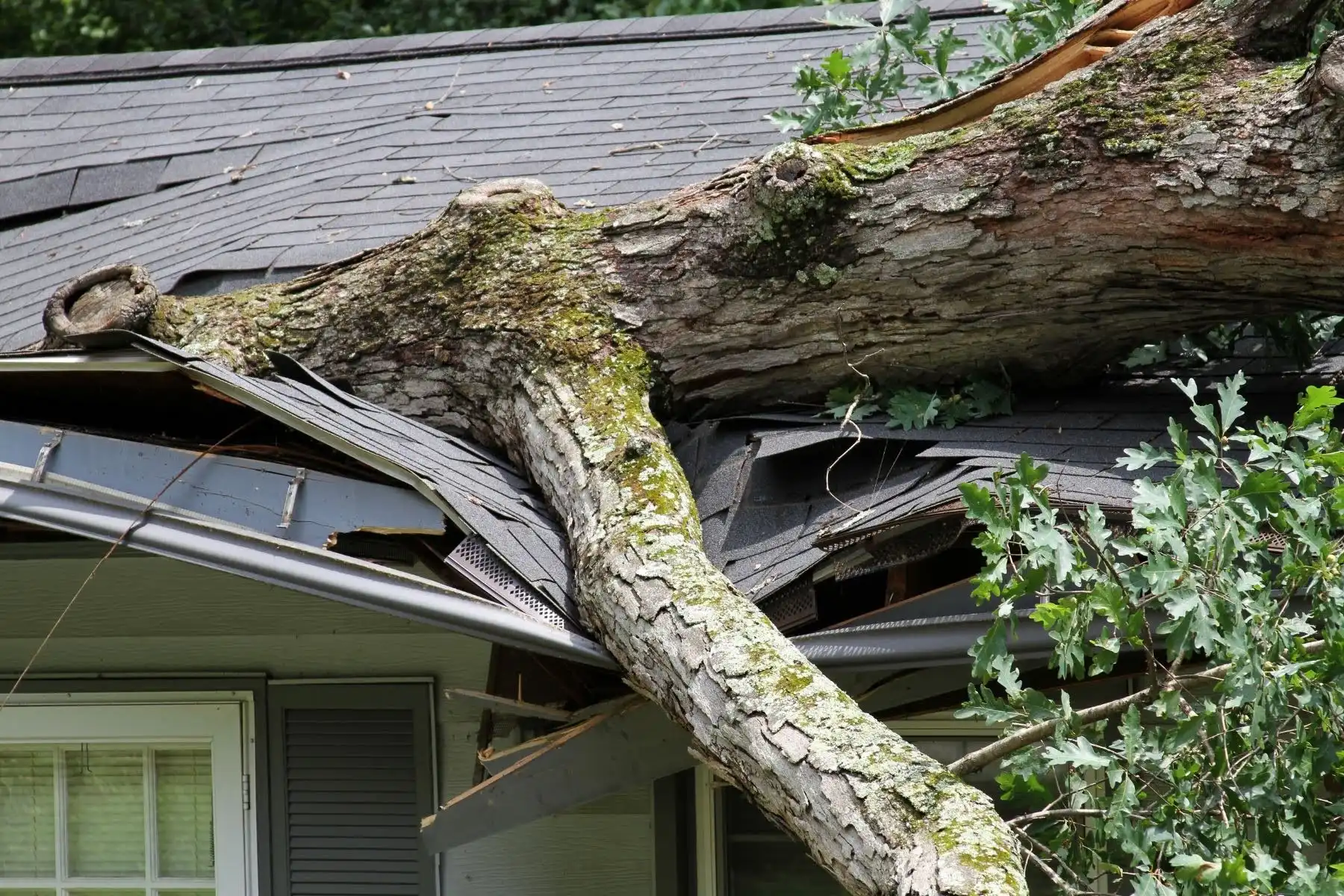
Storm systems push saturated air onshore for days at a stretch, keeping ambient humidity above the 60% threshold where mold growth accelerates. Ground saturation from late-summer rain means crawl spaces and slabs stay damp long after a storm passes, wicking moisture into wall cavities from below. And any storm-related roof or window damage, even minor, becomes a direct entry point right as outdoor humidity peaks.
The combination is why restoration companies across the Gulf see mold calls spike two to three weeks after a named storm, not during it. The damage that shows up as a musty smell in early October usually started as water intrusion in September.
A Few Conditions Deserve Particular Attention This Month
Attics After Wind-Driven Rain
Attics that took wind-driven rain through soffit vents or a compromised roof deck often show no interior staining for days, since the insulation absorbs the moisture first.
HVAC After Power Outages
HVAC systems that ran through storm power outages can develop condensation and mold inside ductwork within a week.
Homes Closed Up During Evacuation
Homes or buildings that sat closed up during evacuation, with no air circulation and the AC off, are some of the highest-risk properties regardless of whether they took direct water damage.
What Professional Mold Remediation Actually Involves
Mold removal and mold remediation aren't the same service, and the distinction matters most in a climate this humid. Removal deals with what's visible. Remediation addresses the moisture source driving the growth, so it doesn't come back in three weeks when the humidity spikes again.
A proper remediation process starts with inspection and often lab testing to confirm species and scope, since some Gulf Coast species (particularly in older, storm-damaged wood framing) require different containment protocols. Technicians then set up containment barriers with negative air pressure to keep spores from spreading to unaffected areas during removal. Contaminated materials get removed and disposed of, remaining surfaces are cleaned and treated, and the moisture source, whether that's a roof leak, a failed vapor barrier, or a slow plumbing leak, gets corrected before anyone calls the job finished.
Gulf Coast Mold Response, City by City
911 Restoration's mold remediation service runs on IICRC-certified protocols with a stated 45-minute response time, which matters more in this region than most, given how fast Gulf humidity turns a leak into a colonization event.
Southern & Northern Houston, TX
In Texas, the Southern Houston and Northern Houston teams handle a steady flow of post-storm mold calls tied to the area's flat drainage, high water table, and the humid subtropical climate that keeps indoor moisture elevated well past any single storm event.
New Orleans, LA
Louisiana's exposure is close to unmatched. The New Orleans branch works in a city below sea level with some of the oldest housing stock on the Gulf, where storm surge and slow-draining streets combine to push moisture into foundations and wall cavities long after the rain stops.
Gulf Coast Mississippi
Mississippi's coastline sees direct storm landfall more often than most Gulf states, and the Gulf Coast Mississippi team responds to properties from Biloxi through Gulfport where salt air and humidity compound ordinary water damage.
South Alabama
In Alabama, the South Alabama branch covers Mobile and the surrounding bay area, where humidity regularly sits above the level mold needs to establish itself within a day or two of any leak.
Emerald Coast, FL
Florida's Gulf-facing coast covers the most territory. The Emerald Coast team works the panhandle from Pensacola to Destin, a stretch that takes direct storm impact most seasons.
Tampa Bay & Naples–Fort Myers, FL
Further south, Tampa Bay sees the combination of coastal storm surge and a dense, older building stock that makes hidden moisture especially common. And in Naples and Fort Myers, the subtropical climate keeps humidity high enough that even minor storm damage can turn into a mold problem within days.
911 Restoration: 24/7 Mold Remediation Near You
If a storm, a roof leak, or a run of humid weather has left a musty smell, visible staining, or standing moisture anywhere on your property, don't wait for it to dry on its own. Gulf Coast humidity won't let it. 911 Restoration runs IICRC-certified mold remediation teams 24/7 across the Gulf Coast, with direct insurance coordination and a 45-minute response goal from first call to technician arrival. Reach the nearest branch through the service area finder or call (866) 861-2563.