How to Prioritize Storm Damage Repairs
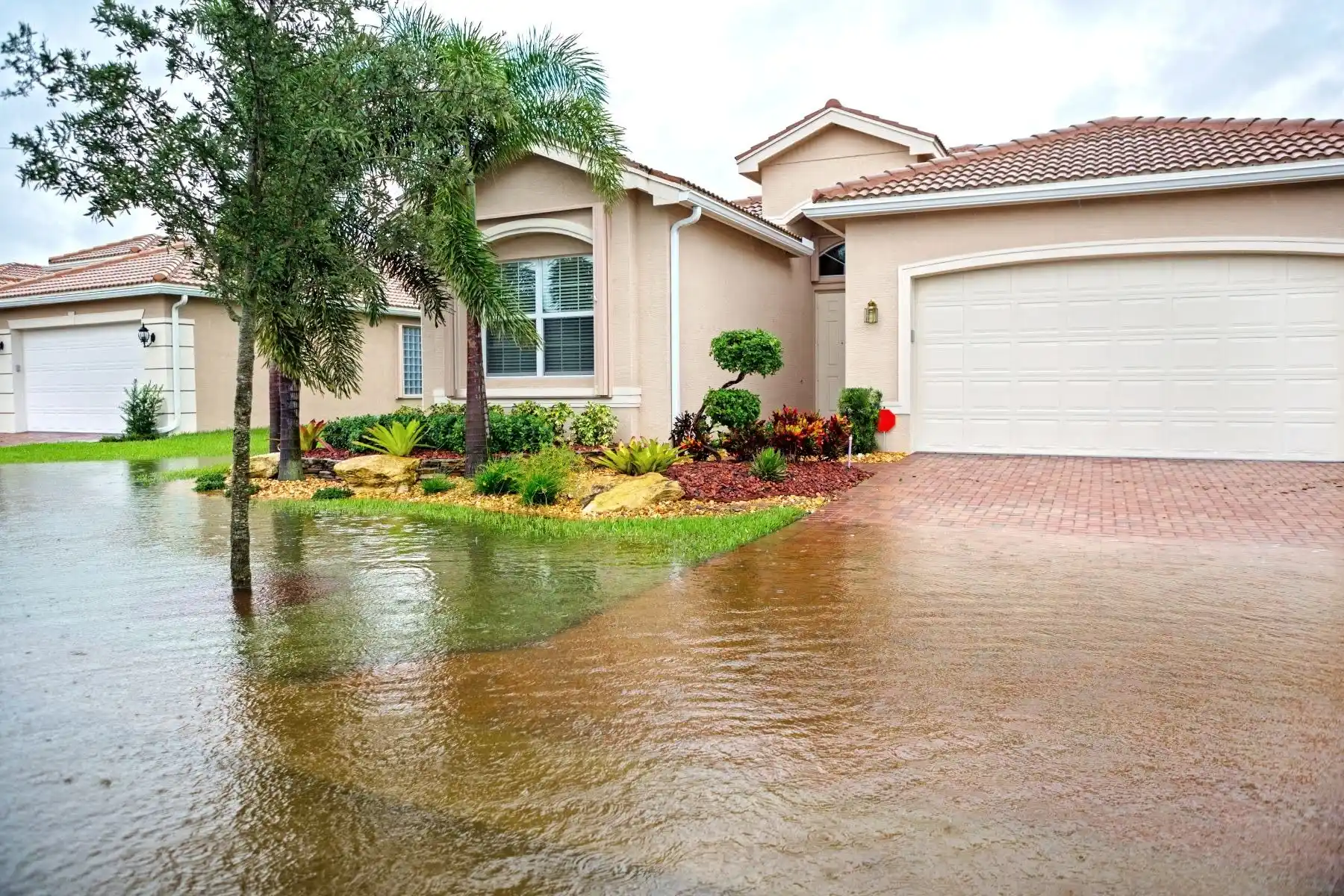
A storm rolls through and leaves your property in rough shape. Now what? Between a damaged roof, standing water in the basement, and a tree branch through your fence, it's hard to know where to start. Acting in the right order can mean the difference between a manageable repair and a full-scale disaster.
Here's how to prioritize storm damage repairs before small problems spiral into costly ones.
1. Roof Damage: Your First Priority After a Storm
Your roof is your home's first line of defense. Even a small breach like missing shingles, cracked flashing, or a puncture from debris can allow water to penetrate your home with every rainfall that follows.
If it's safe to do so, cover exposed areas with a heavy-duty tarp to prevent further water intrusion. Do not attempt to climb onto a wet or structurally compromised roof. A professional storm damage restoration team can deploy emergency tarping quickly and assess the full extent of the damage.
Signs of Urgent Roof Damage
- Missing or displaced shingles
- Visible holes or punctures
- Sagging or bowing sections
- Water stains appearing on interior ceilings
2. Interior Flooding & Water Damage: Stop the Clock
Water damage gets exponentially worse with every passing hour.
Both storm flooding and roof leaks are urgent, but flooding that enters from the ground — storm surge, overwhelmed drainage, or sump pump failure — often carries contaminants and requires professional-grade extraction and sanitization. Water from a roof leak is typically cleaner but still demands fast extraction and drying to prevent mold.
Within 24 to 48 Hours, Standing Water Can
- Weaken structural materials like drywall, subflooring, and framing
- Trigger mold growth that spreads rapidly through a home
- Contaminate living spaces if floodwater contains sewage or debris
3. Fallen Trees & Structural Debris: Assess Before You Touch
A fallen tree looks like a yard cleanup job, but it can be far more dangerous than it appears. Before touching anything, check for the hazards below.
If a tree has made contact with your home, do not attempt to remove it yourself. Improper removal can cause the structure to shift or collapse further. A restoration professional will coordinate safe debris removal alongside structural assessment and repair.
Hidden Hazards of Storm Debris
- Downed power lines nearby (treat all lines as live and stay clear)
- Structural compromise if the tree hit your roof, walls, or foundation
- Gas line damage if roots or impact disturbed underground infrastructure
4. Secondary Storm Damage to Watch For
Mold Growth After Flooding
Mold can begin forming within 24 to 48 hours of water exposure, often in areas you cannot see — inside walls, under flooring, or in the attic. Professional mold remediation after storm damage is not optional; it's a health necessity.
Foundation & Basement Damage
Saturated soil after a major storm can shift or crack a foundation. Look for new cracks in basement walls, doors that suddenly stick, or uneven floors. These signs warrant an immediate professional inspection.
Electrical Hazards
Never enter a flooded area where electrical panels, outlets, or wiring may have been submerged. Have a licensed electrician clear the space before restoration work begins.
Why Choose 911 Restoration for Storm Damage Repair
45-Minute Response, 24/7/365
Storms don't keep business hours, and neither do we. Our emergency teams are on call around the clock with an average 45-minute response time, ready to stop damage before it escalates.
IICRC-Certified Specialists
Our technicians are certified by the Institute of Inspection, Cleaning and Restoration Certification (IICRC). You get trained professionals using proven techniques and industrial-grade equipment.
Full-Service Under One Roof
From emergency tarping and water extraction to mold remediation and full reconstruction, 911 Restoration handles every phase of storm recovery. No juggling multiple contractors.
We Work With Your Insurance
Our team assists with documentation and the claims process, helping you get the coverage you're entitled to without the added headache.
Free Visual Inspections
Not sure how bad the damage is? 911 Restoration offers free visual inspections so you can make informed decisions with no upfront cost.
Don't Wait: Call 911 Restoration After Storm Damage Today
Storm damage compounds quickly. The longer roof damage, flooding, or structural issues go unaddressed, the more expensive the repairs become. Our certified specialists are ready to respond fast, restore fully, and help you get your fresh start. Contact us today for a free visual inspection — available 24/7.