Restoration vs. Reconstruction: Understanding the Difference
When your property takes a hit, the path forward is not always obvious. One of the most common points of confusion for property owners is understanding where restoration stops and reconstruction starts. Knowing the difference helps you set realistic expectations, work more effectively with your insurance provider, and make smarter decisions during the recovery process.
Here is a clear breakdown of both.
What Is Property Restoration?
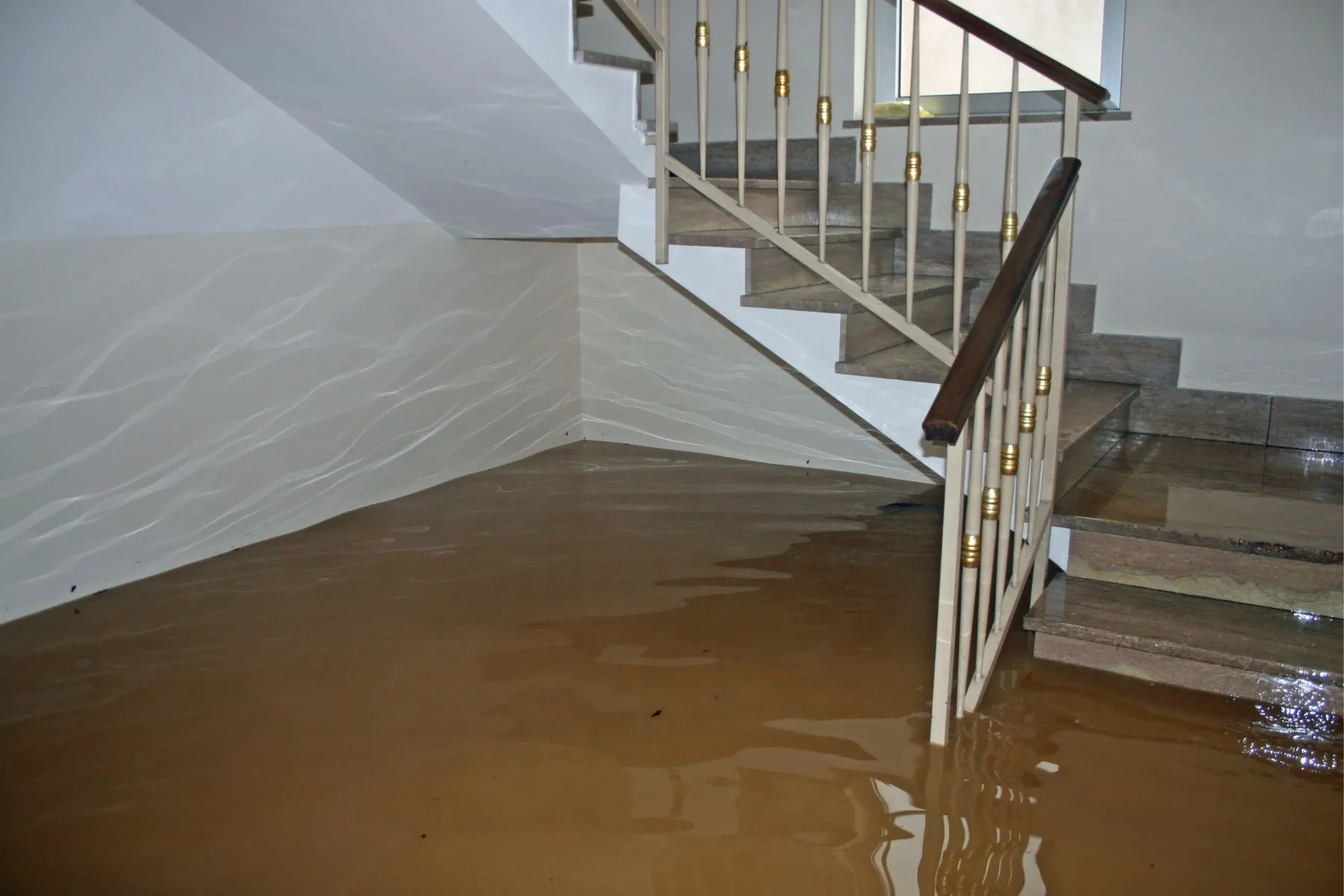
Restoration is the process of returning your property to the condition it was in before the damage occurred. The goal is to save and repair as much of the existing structure and materials as possible.
If the damage is contained and the structure is sound, restoration is usually the faster and more cost-effective path.
Restoration Typically Includes
- Water extraction and structural drying
- Smoke and soot removal after a fire
- Mold remediation
- Odor treatment
- Sanitization and decontamination
What Is Property Reconstruction?
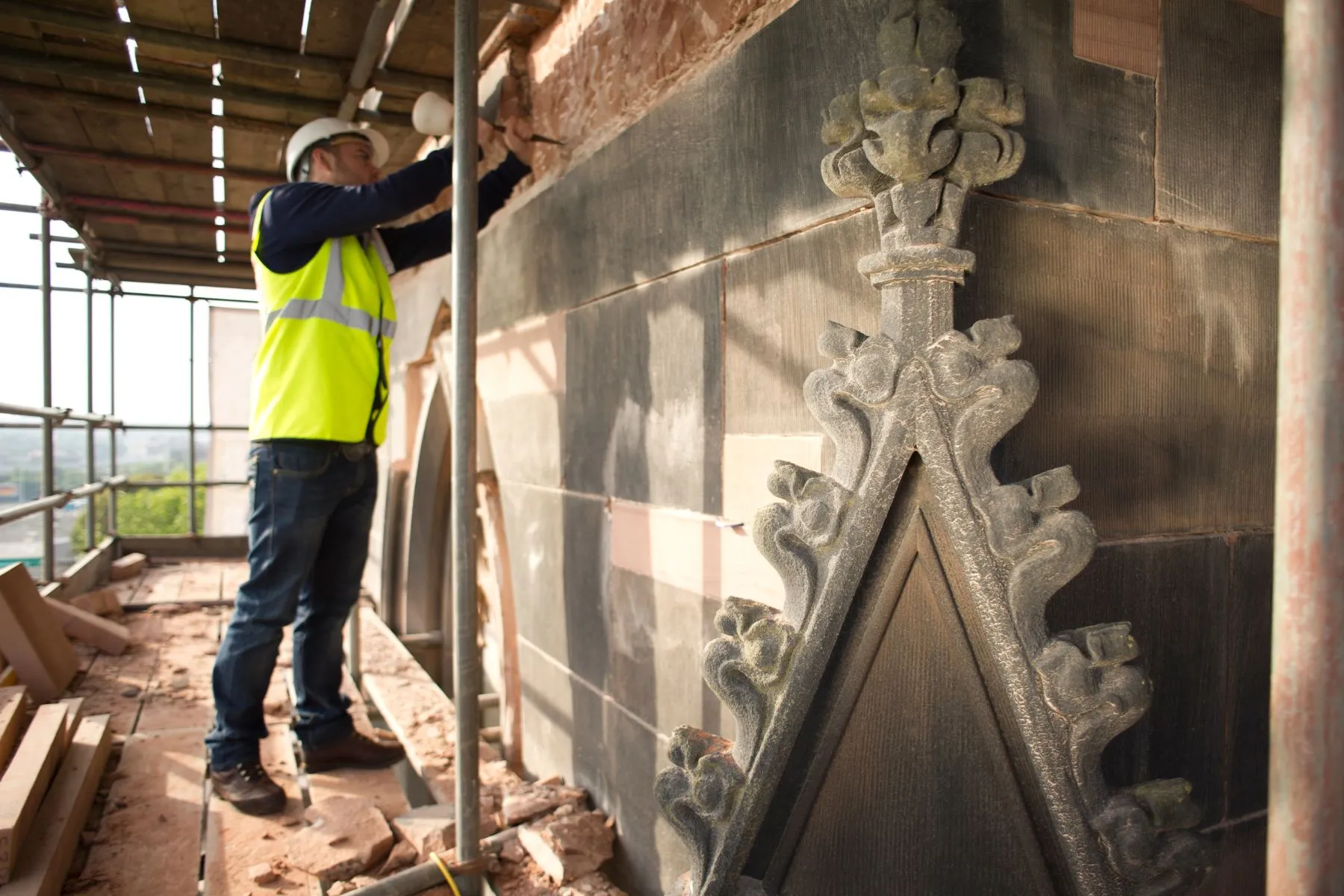
Reconstruction comes into play when the damage is too severe for restoration alone. Rather than repairing what exists, reconstruction involves rebuilding portions of the property from the ground up.
Reconstruction is not a sign that something went wrong. It simply means the damage crossed a threshold where rebuilding is the only viable option.
Reconstruction Typically Includes
- Replacing destroyed walls, ceilings, or flooring
- Rebuilding roof structures
- Framing and drywall installation
- Electrical and plumbing work
- Full room or area rebuilds
How Do You Know Which One You Need?
- The extent of structural damage
- How long the damage went untreated
- Whether water, fire, or mold compromised load-bearing elements
- Local building codes that may require upgrades during rebuilding
Why Treating Them as One Process Matters
The biggest advantage of working with a company that handles both restoration and reconstruction is continuity. When two separate contractors manage each phase, gaps in communication can cause delays, duplicated work, and finger-pointing when problems arise.
A single team that carries the project from damage assessment through full rebuild keeps the process moving and keeps accountability in one place.
What to Expect from the Timeline
Work can often begin within hours of an incident and may be completed in days to weeks depending on the scope.
Takes longer and is more dependent on permitting, material availability, and the complexity of the rebuild. Your restoration company should give you a clear picture of both timelines upfront so there are no surprises as the project progresses.
Why Property Owners Trust 911 Restoration for Restoration & Reconstruction
911 Restoration handles both phases under one roof. From the moment technicians arrive for the initial assessment to the final stages of reconstruction, the same team manages the entire process. That means no handoff headaches, no gaps in accountability, and a smoother path to recovery.
With 24/7 availability, IICRC-certified technicians, and direct coordination with insurance providers, 911 Restoration is built to take property owners from damage to done.
Built to Take You From Damage to Done
- Both phases handled under one roof
- 24/7 availability
- IICRC-certified technicians
- Direct coordination with insurance providers
- One team from assessment to full rebuild
Get Expert Restoration & Reconstruction Help Today
Whether your property needs restoration, reconstruction, or both, the sooner you get a professional assessment, the better your outcome is likely to be. We hope you never need us. But when you do, we are ready. Contact 911 Restoration to schedule your free visual inspection and take the first step toward your Fresh Start.