What Causes Spring Basement Flooding
Spring is one of the most beautiful times of the year. It's also one of the most dangerous for your basement. As temperatures rise and snow begins to melt, the ground becomes saturated with water faster than it can absorb it. The result? That water has to go somewhere, and for many homeowners, it ends up in their basement.
Understanding what causes spring basement flooding is the first step toward preventing it. Here's what you need to know before the thaw hits.
The Top Causes of Spring Basement Flooding
Snowmelt & Saturated Ground
When large amounts of snow melt quickly, the surrounding soil becomes overwhelmed with water. Once the ground reaches its absorption limit, water moves along the path of least resistance, finding its way through foundation cracks, window wells, or porous concrete walls directly into your basement.
Spring Rainstorms on Wet Soil
A rainstorm hitting dry summer soil is very different from one hitting ground already soaked by weeks of snowmelt. In spring, even a moderate rainstorm can cause significant runoff because the earth has no more capacity. That runoff collects around your foundation and seeps in.
Clogged Gutters & Downspouts
Over the winter, gutters collect debris, ice, and sediment. When spring rain arrives and gutters are clogged, water overflows directly alongside your home's foundation rather than being directed away. This is one of the most common and most preventable causes of basement flooding.
Sump Pump Failure
Your sump pump works overtime during spring. If it hasn't been tested or maintained since last year, it may fail at the worst possible moment. A sump pump that stops working during a heavy rain event can allow water to accumulate rapidly in your basement.
Foundation Cracks & Pressure
As water-saturated soil pushes against your foundation walls, it creates hydrostatic pressure. Over time, this pressure forces water through even hairline cracks in concrete or block foundations. Small cracks that were harmless all winter can become serious entry points in the spring.
How to Protect Your Basement from Spring Flooding
- Clean your gutters and extend downspouts. Make sure downspouts direct water at least four to six feet away from your foundation.
- Test your sump pump. Pour water into the sump pit and confirm the pump activates and drains quickly. Consider a battery backup in case of a power outage during a storm.
- Inspect your foundation for cracks. Walk the perimeter of your basement and look for any new or widening cracks. Seal small cracks with hydraulic cement or consult a professional for larger ones.
- Check your window wells. Make sure basement window wells have proper drainage and are not collecting standing water or debris.
- Grade your landscaping away from the house. The ground around your foundation should slope away from the structure, not toward it, to naturally redirect water flow.
What to Do If Your Basement Is Already Flooded
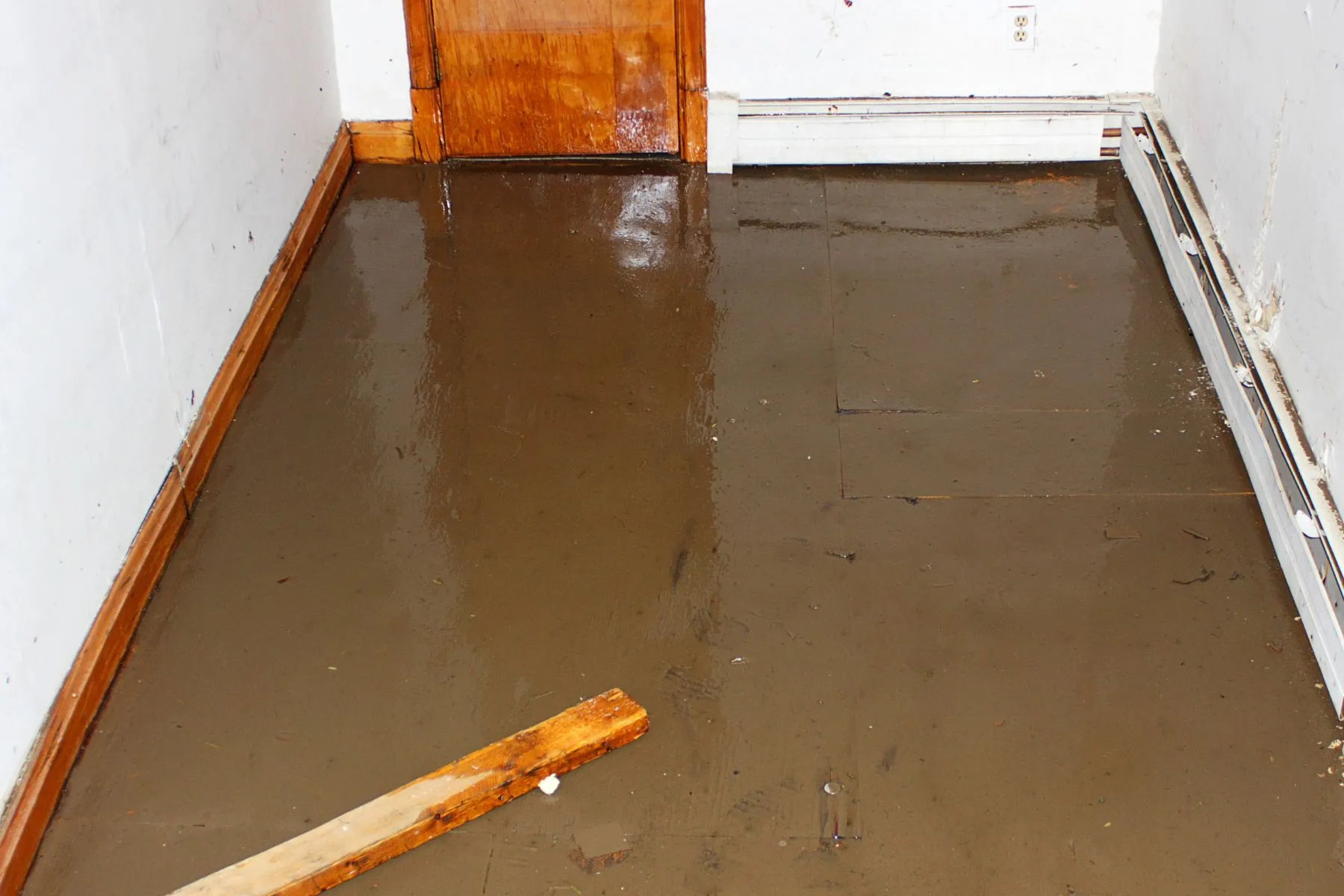
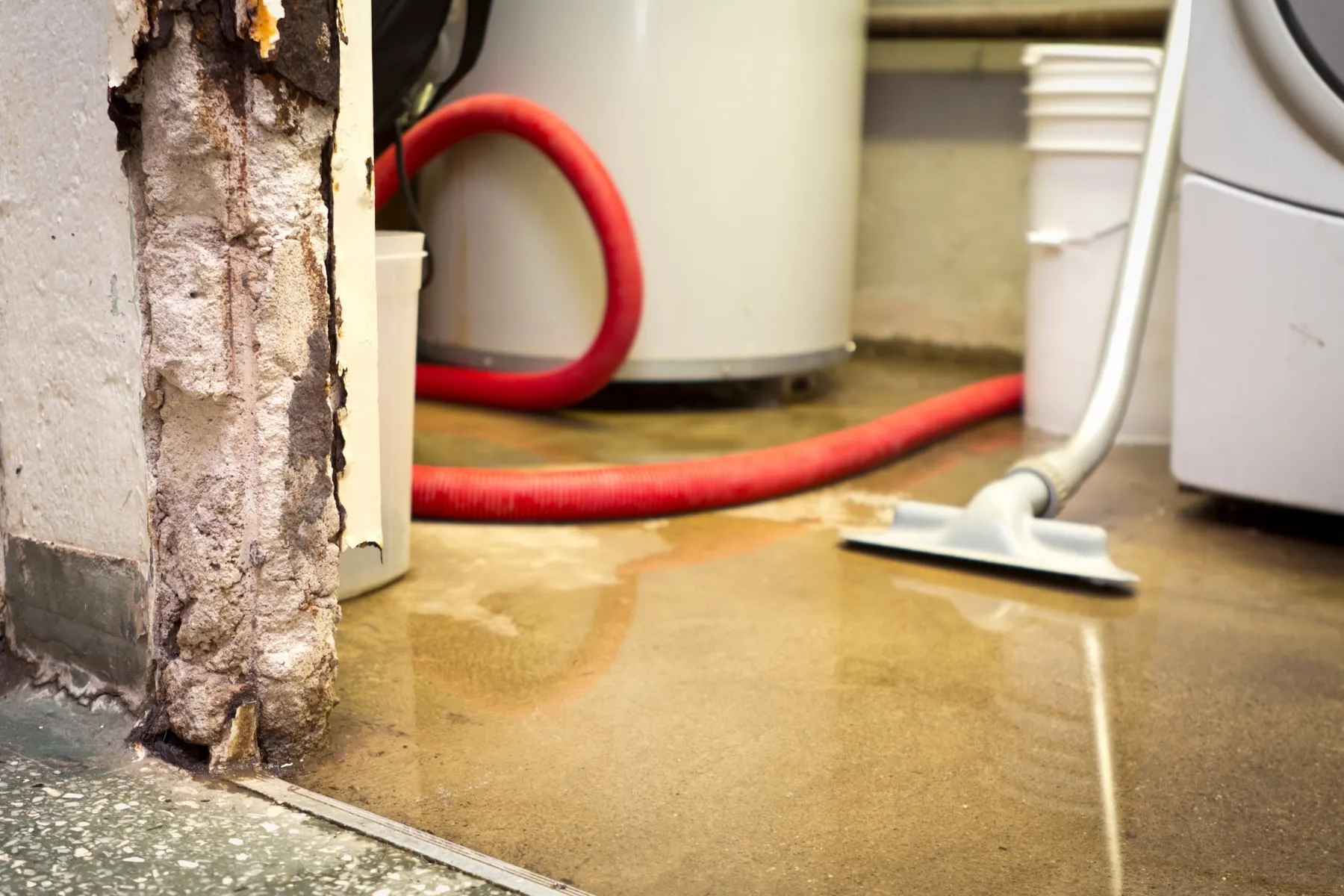
If you walk downstairs to standing water, time is your biggest enemy. The longer water sits, the more damage it does. Flooring warps, drywall absorbs moisture, and mold can begin growing within 24 to 48 hours.
- Do not enter the flooded area until you are certain the electricity has been shut off
- Identify and stop the water source if possible
- Call a professional water damage restoration company right away
Why Homeowners Choose 911 Restoration for Spring Water Damage
They Show Up Fast, Day or Night
Spring flooding rarely happens at a convenient time. 911 Restoration operates 24/7 with a 45-minute response time, so when the water rises, you're not left waiting until morning for help to arrive.
They Handle the Entire Job
Some restoration companies extract the water and hand the rest off. 911 Restoration manages the full scope of work, from water removal and structural drying to repairs and final restoration. One team, one point of contact, no gaps.
Your Insurance Claim Is Their Problem Too
Dealing with insurance after a flood is overwhelming. 911 Restoration bills your insurance company directly and helps document every aspect of the damage so your claim moves forward without unnecessary delays or disputes.
You'll Never Be Left Wondering What's Next
Their commitment to "Communication As Good As Our Restoration™" means transparent updates at every stage. You'll know exactly what's happening, what's been completed, and what comes next, from the first call to the final walkthrough.
Protect Your Property Before Spring Flooding Strikes
The best time to act is before the water arrives. A few hours of preparation now can prevent thousands of dollars in damage and weeks of disruption later. Is your basement at risk this spring? Our team is available 24/7 with a 45-minute response time — ready to help before or after flooding strikes.