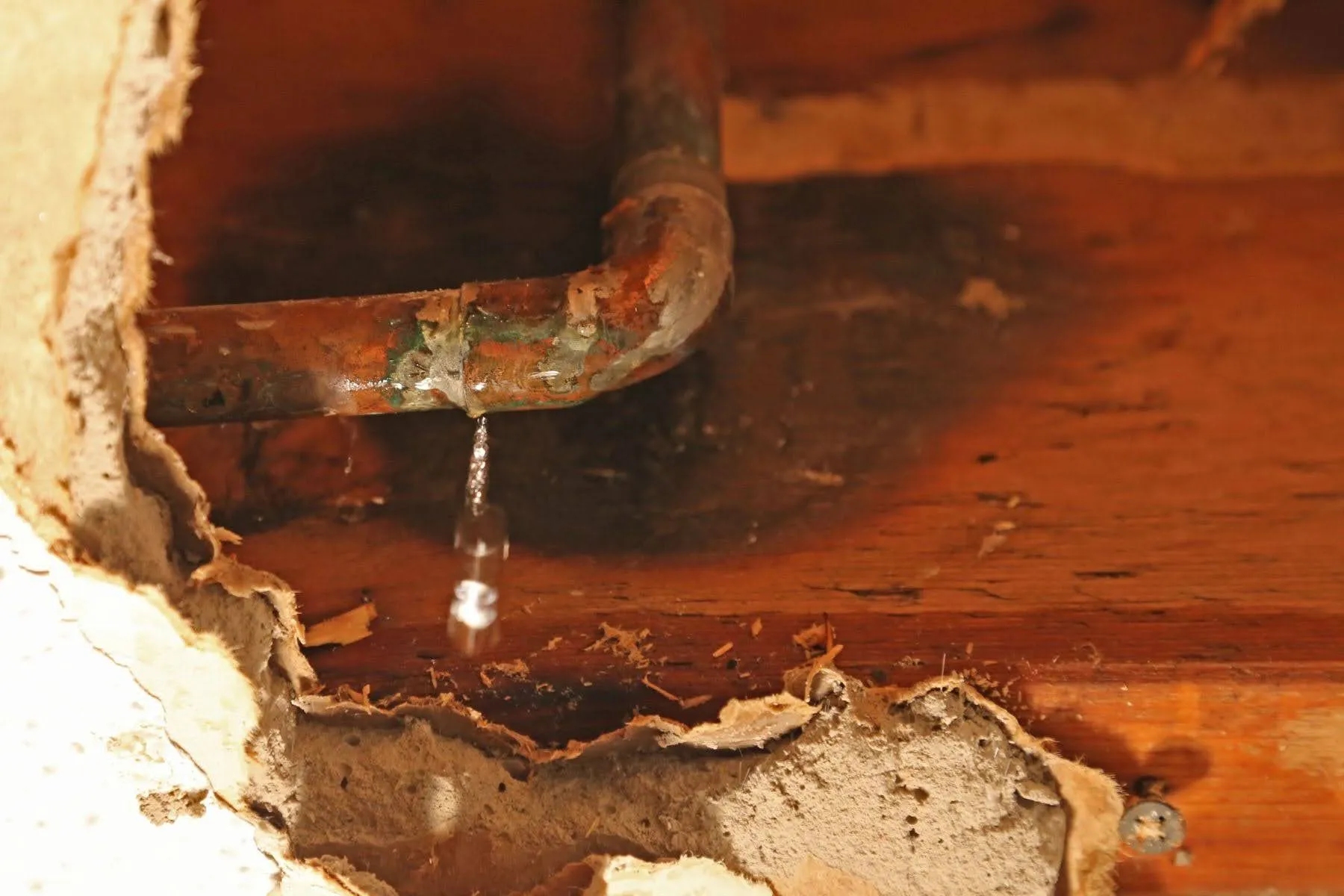
Spring Thaw Water Damage: Why April Is the Most Dangerous Month
Think the worst is over once winter ends? For your home's plumbing and foundation, April can actually be the most dangerous month of the year. As snow and ice melt, water saturates the ground, pressures your foundation, and exposes pipes that may have been quietly weakened all winter long, often failing days or weeks after temperatures rise.
The result is sudden leaks, burst pipes, and hidden water intrusion that can escalate fast if not caught early. Here's what you need to know and what to do if it happens to you.
Why Spring Thaw Causes So Much Water Damage
- Melting snow saturates the ground, increasing hydrostatic pressure against your foundation
- Fluctuating temperatures cause pipes to expand and contract, leading to cracks
- Ice blockages in gutters and drains can force water back toward your home
- Pipes that survived winter may already be compromised and fail once pressure normalizes
What to Do in the First 60 Minutes
If you notice a leak, damp spot, or drop in water pressure, time is your most valuable resource. Here's how to use it.
Your First Hour, Minute by Minute
Shut off your water immediately. Find your main water shut-off valve and turn it off right away — in most homes it's near the water meter, in a basement, garage, or utility area. Spring thaw failures can release water quickly, so acting fast can mean the difference between a minor cleanup and major structural damage. Pro tip: if you're not sure where your shut-off valve is, find it today.
Identify the source. Once water is off, locate where the issue started. Common problem areas: pipes along exterior walls; basements where melting snow increases moisture pressure; crawl spaces with poor drainage; areas near the foundation where groundwater collects. Look for cracks, active leaks, damp spots, or pooling water. If you find a burst pipe or significant water flow, skip DIY fixes and call a professional immediately.
Relieve pressure and protect your belongings. If the leak is minor and contained: open nearby faucets to relieve pressure in the system; place towels or buckets to catch dripping water; move furniture, rugs, and valuables out of the affected area. Avoid major repairs on your own — spring thaw issues frequently involve hidden water intrusion that requires professional equipment.
Check for hidden water intrusion. Water from melting snow seeps into walls, insulation, and flooring, often without obvious signs. Inspect nearby areas for damp drywall or discoloration; warped wood floors or baseboards; musty odors, which can signal early mold growth; moisture around outlets or electrical panels.
Call a water damage restoration professional. If there's any sign of water intrusion, this is the moment to call in experts. Water may continue seeping in from outside even after the initial issue appears resolved. Professional teams use specialized equipment to fully extract moisture, dry affected areas, and stop mold before it takes hold.
How to Protect Your Home Before It Happens
- Clear gutters and downspouts to direct water away from your foundation
- Check your foundation for cracks or areas where water is pooling
- Test your sump pump before the rainy season hits
- Inspect exposed pipes for any signs of stress or damage from winter
- Improve drainage around your property where water tends to collect
Why Homeowners Trust 911 Restoration
24/7 Response with a 45-Minute Arrival Time
You'll reach a real person immediately, day or night.
IICRC-Certified Technicians
Trained professionals using advanced equipment to detect and eliminate hidden moisture.
Direct Insurance Billing
They work with your provider to simplify the claims process.
Full-Service Restoration
From water extraction to mold remediation and reconstruction, all under one roof.
Don't Wait Until Spring Damage Gets Worse
Spring thaw water damage escalates quickly, especially when moisture keeps seeping in from outside. The sooner you act, the better your outcome. Noticing leaks, damp areas, or signs of water intrusion this spring? Contact 911 Restoration today for a free visual inspection — available 24/7 to protect your home and restore your peace of mind.