The Hidden Dangers of Smoke Damage After a Fire
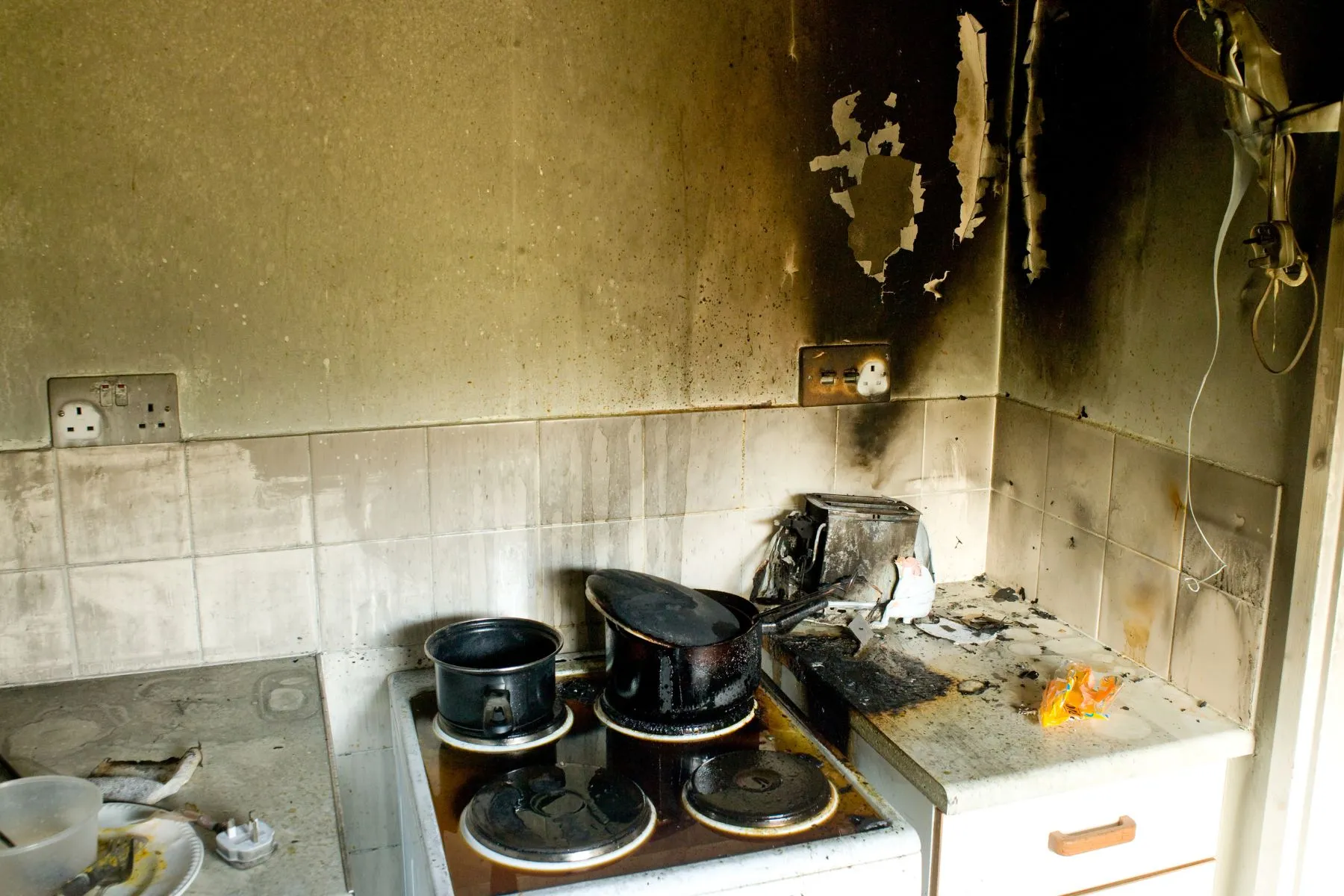
After a house fire, most homeowners focus on the visible damage caused by flames. However, smoke damage can be just as dangerous. Smoke and soot spread quickly through a property, contaminating surfaces, furniture, HVAC systems, and indoor air quality, even in areas untouched by the fire.
911 Restoration provides 24/7 fire and smoke damage restoration services to help homeowners recover safely after a fire. Understanding the hidden dangers of smoke damage can help protect both your home and your health.
Why Smoke Damage Is So Dangerous After a Fire
Smoke contains a mixture of toxic chemicals, soot particles, ash, and airborne contaminants created when materials burn. Depending on what burned during the fire, smoke may contain a range of hazardous substances. These contaminants can irritate the lungs, eyes, and skin while creating long-term indoor air quality concerns. Even after the fire is extinguished, smoke particles continue circulating throughout the property and settling into porous materials like drywall, carpet, upholstery, insulation, clothing, and HVAC ductwork.
Toxic Contaminants in Smoke
- Carbon monoxide
- Hydrogen cyanide
- Sulfur oxides
- Acidic compounds
- Microscopic soot particles
Smoke Damage Spreads Far Beyond the Fire Itself
One of the biggest misconceptions homeowners have is that smoke damage only affects rooms directly exposed to flames. In reality, smoke can spread throughout the property. Wildfire smoke can also travel miles from the source of the fire, impacting homes that were never directly threatened by flames. Wildfire smoke often penetrates HVAC systems and leaves soot deposits throughout homes that appear completely unaffected. This is why professional smoke damage inspections are critical after any fire event.
How Smoke Travels Through Your Home
- Air vents and HVAC systems
- Wall cavities
- Ceiling spaces
- Open windows and doorways
- Electrical outlets and gaps
The Long-Term Effects of Soot Damage
Soot is more than just black dust left behind after a fire. It is highly acidic and corrosive. The longer soot remains on surfaces, the more difficult it becomes to remove completely. Delaying smoke damage restoration can lead to permanent property damage and significantly higher repair costs.
What Soot & Smoke Residues Can Do
- Stain walls and ceilings permanently
- Corrode electronics and appliances
- Damage metal surfaces
- Discolor fabrics and upholstery
- Weaken structural materials over time
Smoke Damage Can Contaminate Your HVAC System
Many homeowners overlook one of the most dangerous parts of smoke damage: the HVAC system. Smoke particles are often pulled into air ducts, furnace systems, air conditioning units, and ventilation systems. Once contaminated, the HVAC system can continue circulating smoke particles and odors throughout the property long after the fire is out. These steps help restore safe indoor air quality after smoke exposure.
Professional Restoration Often Includes
- HVAC inspection
- Duct cleaning
- Air scrubbing
- HEPA filtration
- Odor removal treatments
Smoke Odors Are More Than Just an Annoyance
Lingering smoke odors are a sign that smoke particles are still embedded inside the property. Smoke odors commonly settle into carpets, curtains, furniture, insulation, wood framing, and clothing. DIY cleaning methods rarely remove deep smoke contamination completely.
Health Symptoms Caused by Smoke Damage Exposure
Even if smoke damage is not immediately visible, lingering contamination can still affect your health. Children, elderly individuals, and people with respiratory conditions are especially vulnerable to smoke-related health effects. Smoke inhalation and airborne contaminants can remain dangerous long after the visible fire damage is gone.
Common Symptoms
- Persistent coughing
- Eye irritation
- Headaches
- Sinus congestion
- Difficulty breathing
- Worsened asthma symptoms
- Skin irritation
Why DIY Smoke Cleanup Often Fails
Many homeowners attempt to clean smoke damage themselves using household cleaners and air fresheners. Professional fire and smoke damage restoration companies use specialized equipment and protective procedures to remove contaminants safely. Fire debris cleanup may also expose homeowners to hazardous substances, including silica dust, asbestos, and chemical residues, depending on the materials affected by the fire.
Risks of Improper Cleanup
- Spread soot particles further
- Damage surfaces permanently
- Miss hidden contamination
- Leave toxic residues behind
- Worsen odors
What Professional Smoke Damage Restoration Includes
Emergency Property Stabilization
Crews secure the property to prevent further damage and contamination.
Smoke & Soot Removal
Specialized cleaning removes soot from walls, ceilings, flooring, and contents.
Air Quality Restoration
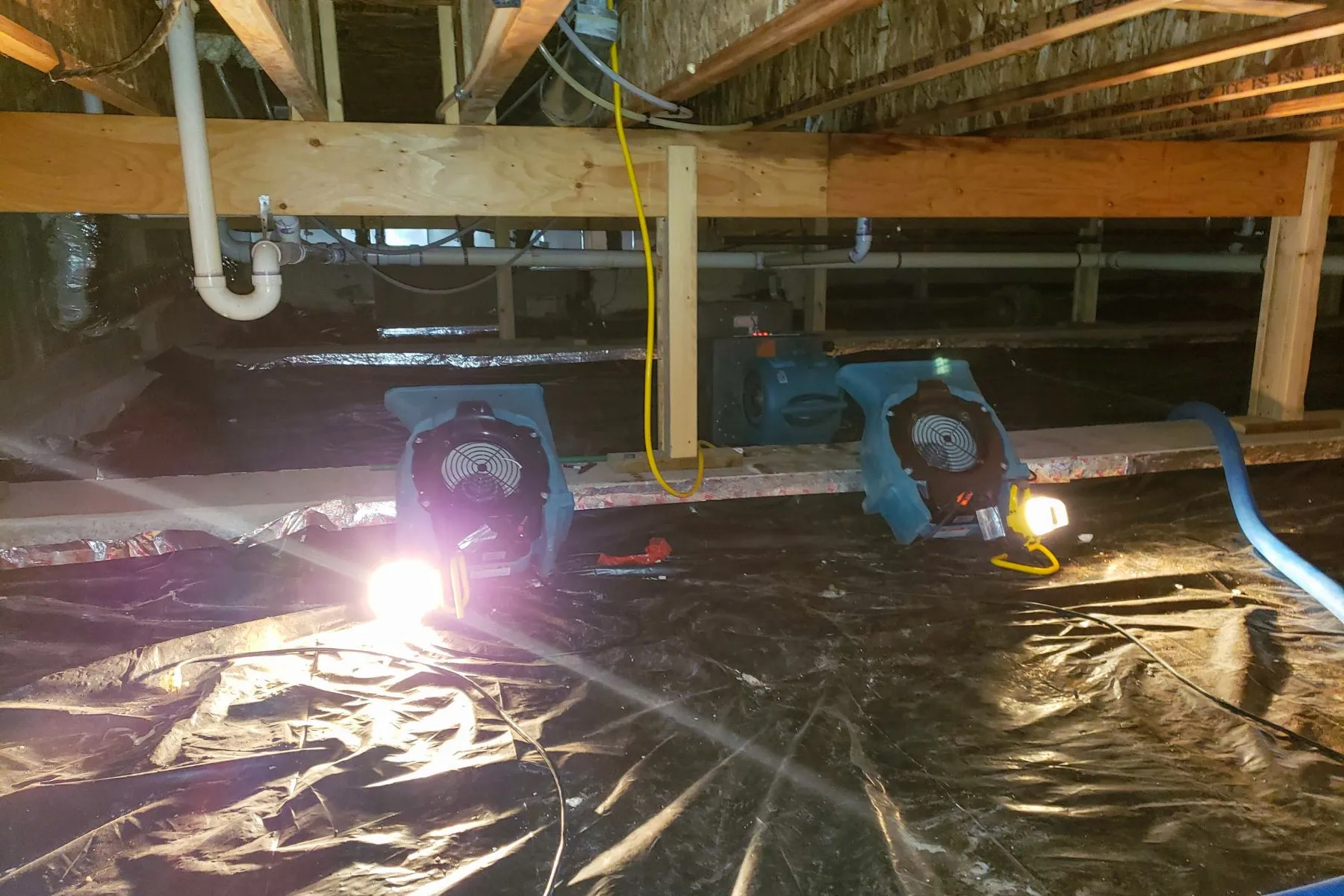
HEPA filtration and air scrubbers remove airborne contaminants.
Odor Elimination
Advanced deodorization techniques neutralize smoke odors at the source.
Structural Cleaning & Repairs
Damaged materials are cleaned, restored, or replaced as needed. 911 Restoration provides full-service fire and smoke damage restoration using advanced equipment and proven restoration methods.
Wildfire Smoke Damage Is Becoming More Common
In wildfire-prone regions, smoke damage can affect entire neighborhoods even if homes never catch fire directly. Wildfire smoke frequently impacts coastal and urban communities far from active fire zones. Professional smoke remediation is often necessary even when no flames entered the property.
How Wildfires Cause Smoke Damage Far From the Flames
- Smoke can enter through ventilation systems
- Surfaces become coated with soot
- Respiratory problems are triggered
- Lasting smoke odors are left behind
Why Fast Smoke Damage Restoration Matters
The longer smoke and soot remain inside a property, the harder they are to remove, the more corrosion occurs, the greater the odor penetration, and the higher the restoration costs.
Quick response fire restoration services help minimize structural deterioration, permanent staining, indoor air contamination, and long-term health risks. Fast cleanup also improves the chances of salvaging furniture, electronics, documents, and personal belongings.
Call 911 Restoration for Professional Smoke Damage Restoration
911 Restoration's certified restoration teams provide 24/7 fire and smoke damage restoration services for homeowners and businesses. From emergency cleanup and soot removal to odor elimination and reconstruction, we are here to help you recover safely after a fire. Has your property experienced smoke or fire damage? Contact us today for immediate assistance and a Fresh Start.