Catching Hidden Mold Before It Becomes a Major Problem
Most homeowners only think about mold when they can see it. The problem is that by the time mold becomes visible, it has usually been growing behind your walls for weeks, sometimes months. Summer is the peak season for hidden mold, and catching it early is the difference between a manageable remediation and a major reconstruction project.
Why Summer Is the Riskiest Season for Hidden Mold
Mold needs two things to thrive: moisture and something organic to feed on. Wall cavities check both boxes. Drywall, wood framing, and insulation give mold everything it needs, and the enclosed nature of walls means there is little airflow to slow it down.
What makes summer particularly risky is the combination of factors working against homeowners all at once. High outdoor humidity seeps into the home. The contrast between a cooled interior and a hot exterior causes condensation to form inside wall cavities. Storm season brings water intrusion events that do not always get fully dried out. Any one of these conditions can be enough to kick off a mold problem. Together they create an environment where mold spreads quickly and quietly.
Signs Mold May Already Be Growing Behind Your Walls
A Smell That Will Not Go Away
A musty or earthy odor that lingers no matter how much you clean or ventilate is one of the clearest indicators of hidden mold. Most people chalk it up to something else. If the smell keeps returning, your nose is telling you something important.
Unexplained Staining
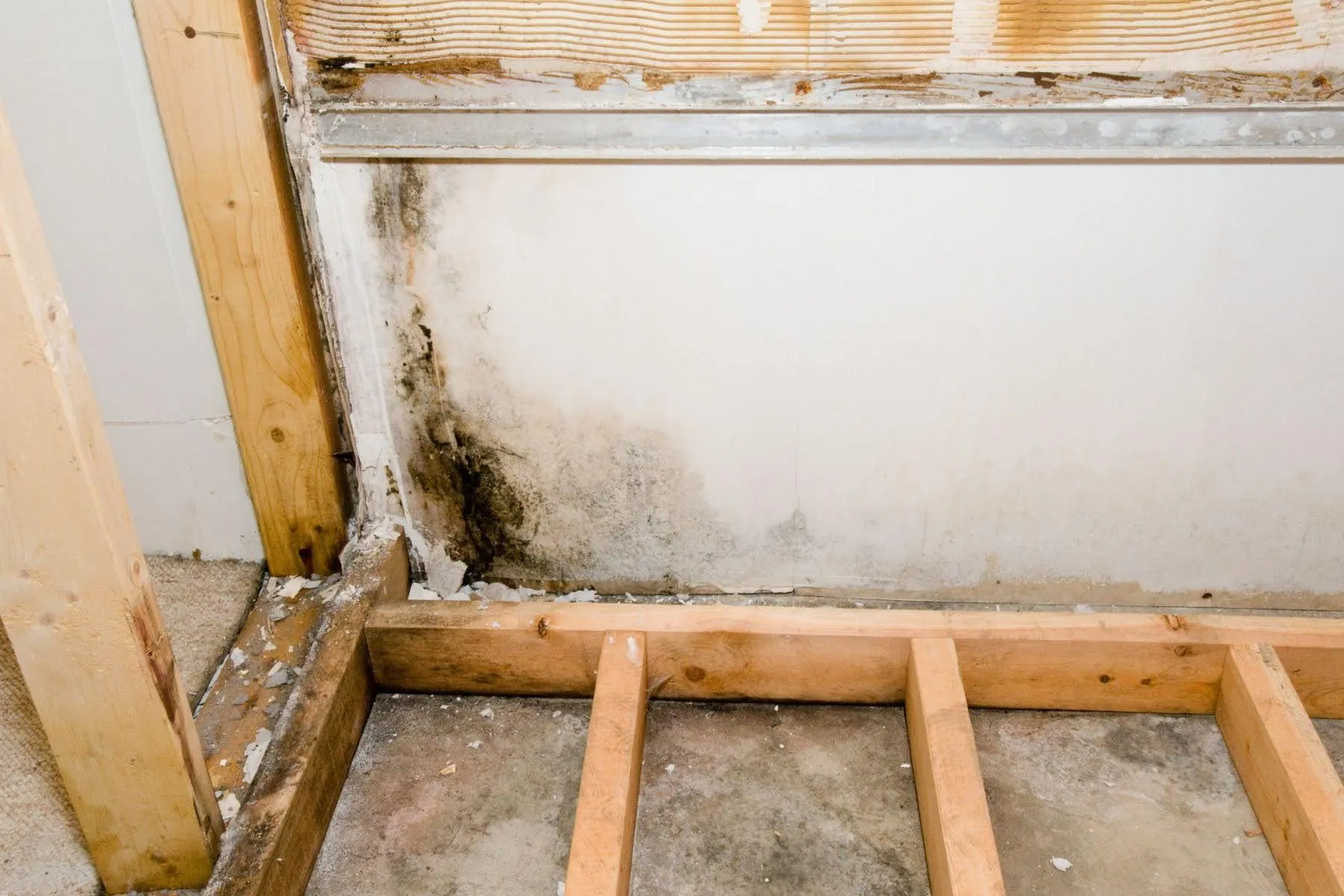
Patches of yellow, brown, or gray discoloration on walls or ceilings, especially near plumbing lines, exterior walls, or windows, are worth taking seriously. Surface staining like this often signals that moisture is getting in somewhere it should not be.
Paint or Wallpaper Separating
Moisture trapped inside a wall pushes outward over time. If you are noticing paint that is bubbling or peeling, or wallpaper that is lifting at the seams, that outward pressure is a sign moisture has built up on the other side.
The Drywall Feels Off
If you press lightly on an area that looks discolored and the wall feels soft or spongy rather than firm, moisture has likely been sitting in that material long enough to compromise it. Mold is almost certainly involved at that point.
Unexplained Symptoms
Persistent congestion, sneezing, headaches, or respiratory irritation without an obvious cause can sometimes be traced to hidden mold. A telling pattern is symptoms that ease up when household members spend time away from home and return when they come back.
An Undried Water Event
A roof leak, appliance overflow, plumbing failure, or any flooding event not assessed and dried by a professional within 24 to 48 hours creates real mold risk. If that happened at your home this season, have someone take a look right away.
What to Avoid If You Think You Have Hidden Mold
- Do not open up walls to investigate without proper protective equipment
- Do not attempt to paint over discolored areas without first identifying and fixing the moisture source
- Do not run your HVAC system if you suspect mold has gotten into the ductwork, as this will spread spores to other areas of the home
- Do not put off getting it looked at — hidden mold does not stabilize on its own
How to Get Rid of Hidden Mold the Right Way
Start With the Moisture Source
No remediation will hold if the underlying moisture problem is not fixed first. Whether it is a slow pipe leak, a gap in your roof, inadequate ventilation, or leftover moisture from a storm event, that needs to be resolved before anything else happens. Mold will return to a remediated space if moisture is still present.
Bring in a Professional for an Assessment
You cannot scope a hidden mold problem by eye alone. Professionals use thermal imaging cameras, moisture meters, and air quality testing to find what is happening behind surfaces without tearing everything open unnecessarily. This step tells you exactly what you are dealing with before any work begins.
Contain the Affected Area
Once mold is confirmed, the space is sealed off using plastic sheeting and negative air pressure systems to keep spores from spreading into unaffected parts of the home during the remediation process.
Remove & Treat Affected Materials
Drywall, insulation, and framing that have been compromised are removed and treated with antimicrobial agents. Thorough removal is the standard, not surface-level cleaning.
Dry the Space & Filter the Air
Industrial drying equipment combined with HEPA air filtration clears residual moisture and captures airborne spores before new materials go in.
Restore the Space
Once everything has been remediated and cleared, the affected areas are rebuilt to pre-loss condition with new drywall, insulation, and finishes.
Why Timing Matters More in Summer
Heat and humidity accelerate mold growth significantly compared to cooler months. A small problem that might take weeks to spread in winter can advance much faster during summer. The longer it goes without being addressed, the more material gets involved and the more costly the remediation becomes.
Why Choose 911 Restoration for Mold Remediation
911 Restoration's IICRC-certified technicians are available 24/7 and handle every phase of mold remediation from initial inspection through full restoration. Thermal imaging, air quality testing, containment, removal, and reconstruction are all part of the process. 911 Restoration works directly with your insurance company throughout to make sure the claims process does not add to your stress.
Every Phase Covered
- IICRC-certified technicians available 24/7
- Thermal imaging and air quality testing
- Containment and spore control
- Removal of compromised materials
- Full reconstruction to pre-loss condition
- Direct work with your insurance company
Suspect Hidden Mold in Your Home?
Summer conditions make hidden mold a real and growing risk. The sooner it is caught, the less damage it does. Reach out to 911 Restoration and get a professional assessment scheduled today. Available 24/7 nationwide.