Smoke Damage Is More Dangerous Than You Think
When the flames are out, it's easy to assume the worst is over. But for many homeowners, the damage that follows a fire is just as serious as the fire itself. Smoke and soot are more destructive and more hazardous than most people expect, and underestimating them is one of the most costly mistakes you can make during wildfire season.
Why Smoke Damage Is Not the Same as Fire Damage
Fire burns what it touches. Smoke travels everywhere else.
Within minutes of a fire, smoke particles spread throughout a home, seeping into walls, ceilings, insulation, ductwork, furniture, clothing, and personal belongings. It does not stay in the room where the fire started. In many cases, rooms that never saw a single flame end up with significant smoke and soot damage that requires professional remediation.
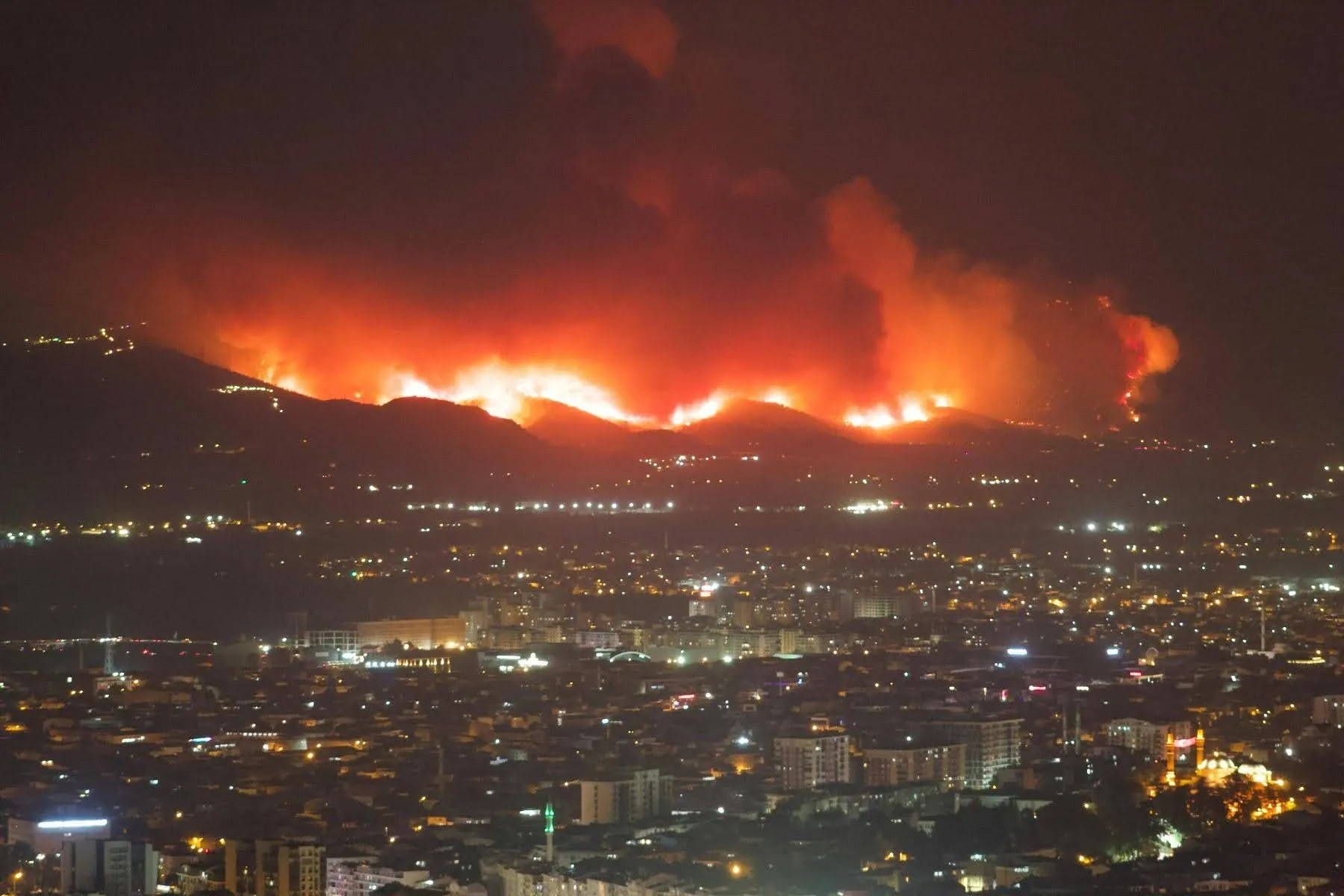
Wildfire smoke behaves differently than smoke from a contained structure fire. It travels further, penetrates deeper, and leaves behind a specific type of residue that is particularly difficult to remove. During wildfire season, even homes that were not directly threatened by flames can sustain meaningful smoke damage from nearby fires.
The Hidden Health Risks of Smoke & Soot
What Smoke Actually Contains
Smoke is not just burned air. It is a complex mixture of carbon monoxide, formaldehyde, benzene, hydrogen cyanide, and fine particulate matter, all of which pose serious health risks with prolonged exposure. The specific composition depends on what burned, but no smoke is safe to breathe for extended periods.
Soot Is More Than Dirt
Soot particles are extremely fine, often less than 2.5 microns in size. That is small enough to bypass the nose and throat and travel directly into the lungs. Prolonged soot exposure has been linked to respiratory disease, cardiovascular issues, and in cases of long-term exposure, more serious health consequences.
Odor Means Particles Are Still Present
If you can still smell smoke in your home, smoke particles are still present in your air, on your surfaces, and inside your materials. Odor is not just unpleasant — it is a sign that remediation is incomplete.
What Smoke Damages Beyond the Obvious
Walls & Ceilings
Smoke leaves behind a yellowish or grayish film that stains deeply and is nearly impossible to fully remove with standard cleaning products. Without proper treatment, staining and odor will return even after painting over affected surfaces.
HVAC Systems & Ductwork
If your HVAC system was running during or after a fire, smoke particles circulated through every duct in your home. A contaminated system will continue redistributing smoke particles and odor every time it runs until it has been professionally cleaned.
Personal Belongings & Furniture
Upholstered furniture, mattresses, clothing, and soft goods absorb smoke deeply. Some items can be professionally restored. Others cannot, and a restoration professional can help determine which is which for insurance purposes.
Structural Materials
Smoke penetrates drywall, insulation, and wood framing. In severe cases, affected materials need to be removed and replaced rather than simply cleaned and deodorized.
Why DIY Smoke Cleanup Usually Makes Things Worse
- Using dry cleaning methods on wet smoke residue, or vice versa
- Painting over soot-stained walls without proper sealing
- Running HVAC systems before ducts are inspected and cleaned
- Using standard vacuums that release fine soot particles back into the air
- Missing hidden smoke damage in attics, crawl spaces, and wall cavities
How Smoke Damage Restoration Works
Assessment
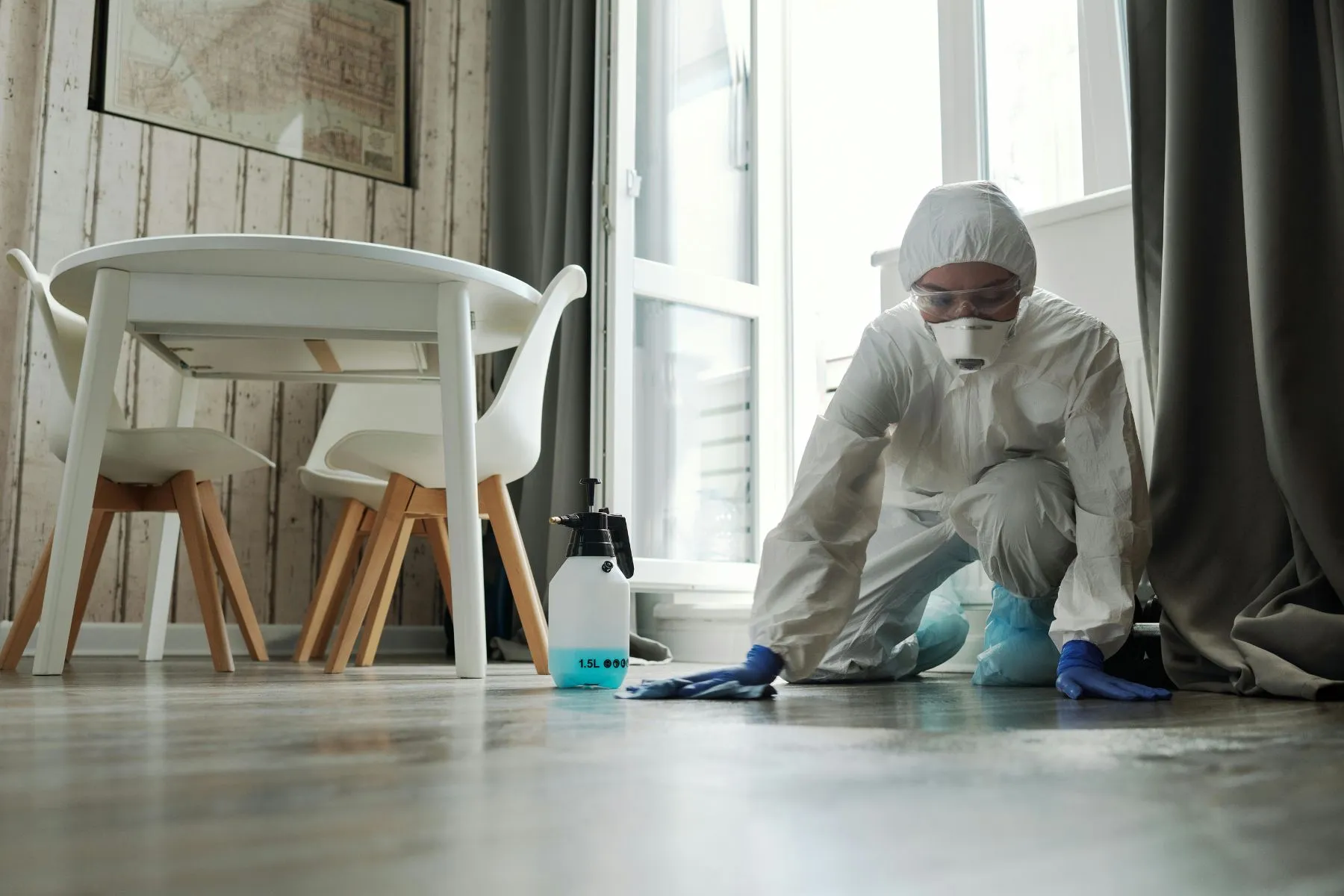
A restoration team surveys the full extent of smoke and soot damage throughout the property, including areas that appear unaffected, to determine what can be cleaned and what needs to be replaced.
Containment & Ventilation
Affected areas are contained to prevent further spread, and ventilation is established to begin clearing airborne particles.
Soot & Residue Removal
Specialized dry and wet cleaning techniques are applied based on the type of residue present. Different fires produce different types of soot, and using the wrong method can cause permanent damage to surfaces.
HVAC Cleaning
Ductwork and HVAC components are inspected and cleaned to prevent ongoing contamination throughout the home.
Deodorization
Advanced deodorization equipment eliminates smoke odor at the particle level rather than masking it. This is the step most DIY attempts skip entirely, and it is why smoke odor tends to return.
Restoration & Reconstruction
Once the property is fully cleaned and deodorized, any materials that required removal are replaced and the home is restored to pre-loss condition.
Why Acting Quickly Makes a Difference
Smoke and soot damage gets worse over time, not better. Within hours of a fire, soot begins to permanently stain and corrode surfaces. Metals tarnish, fabrics discolor, and porous materials absorb odor more deeply the longer they go untreated. Fast professional response is critical to limiting both health risks and overall restoration costs.
Why Choose 911 Restoration for Smoke & Fire Damage
911 Restoration responds 24/7 with a 45-minute response time and IICRC-certified technicians trained in the full scope of fire and smoke damage restoration. From initial assessment through full reconstruction, 911 Restoration handles every phase of the process and works directly with your insurance company to make the claims process as smooth as possible.
Whether you are dealing with a contained kitchen fire or the aftermath of a nearby wildfire, 911 Restoration has the equipment and expertise to restore your property and protect your family's health.
What You Get
- 24/7 response with a 45-minute response time
- IICRC-certified technicians
- Every phase handled — assessment through reconstruction
- Direct work with your insurance company
Contact 911 Restoration for Wildfire Smoke & Fire Damage Help Today
Wildfire season does not wait, and neither should you. Has your home been affected by wildfire smoke or fire damage? Reach out and get a crew on the way — available 24/7 nationwide with a 45-minute response time.