7 Signs Your Home Needs a Professional Restoration Inspection This Spring
Spring cleaning is a tradition for a reason. After months of closed windows, heavy use, and winter weather battering your home from the outside, a fresh start feels good. But while you're scrubbing baseboards and clearing out closets, it's worth slowing down to look for something more important than dust: signs that your home may need professional attention.
These aren't cosmetic issues. They are signals that water, mold, fire residue, or structural damage could be quietly affecting your property and your family's health. Here are seven things to watch for during your spring walkthrough.
7 Warning Signs to Look For
1. A Musty or Stale Smell You Can't Identify
If you're noticing an earthy or musty odor, especially in basements, bathrooms, or closets, that's one of the most reliable indicators of hidden mold growth. Mold often develops in areas with poor ventilation or residual winter moisture, and it can thrive entirely out of sight inside walls, under flooring, or above ceiling tiles.
2. Staining or Discoloration on Ceilings & Walls
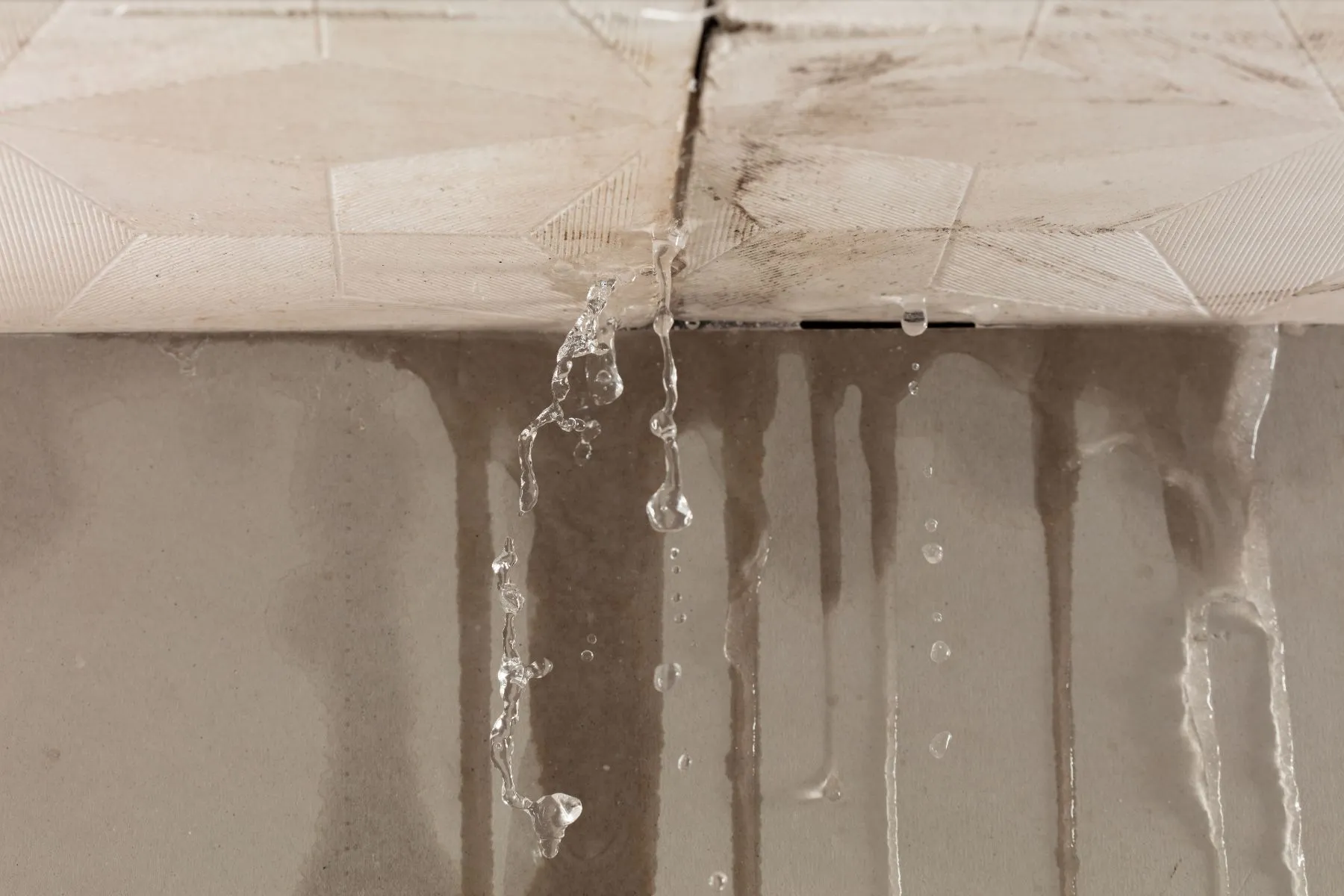
Yellow, brown, or gray stains on your walls and ceilings are a red flag for water intrusion. These marks indicate that moisture has been sitting long enough to leave a visible trace, which also means there's likely more damage behind the surface than what you can see.
3. Peeling Paint or Bubbling Wallpaper
Paint and wallpaper separate from surfaces when moisture gets trapped behind them. If you're noticing this in bathrooms, kitchens, or on exterior-facing walls, there's a good chance water has been working its way in since the colder months.
4. Warped, Soft, or Uneven Flooring
Flooring that feels spongy underfoot, looks warped, or has developed visible gaps is a strong indicator of water damage below the surface. This is especially common in basements and ground-floor rooms after a wet winter or early spring thaw.
5. Visible Cracks in Your Foundation or Basement Walls
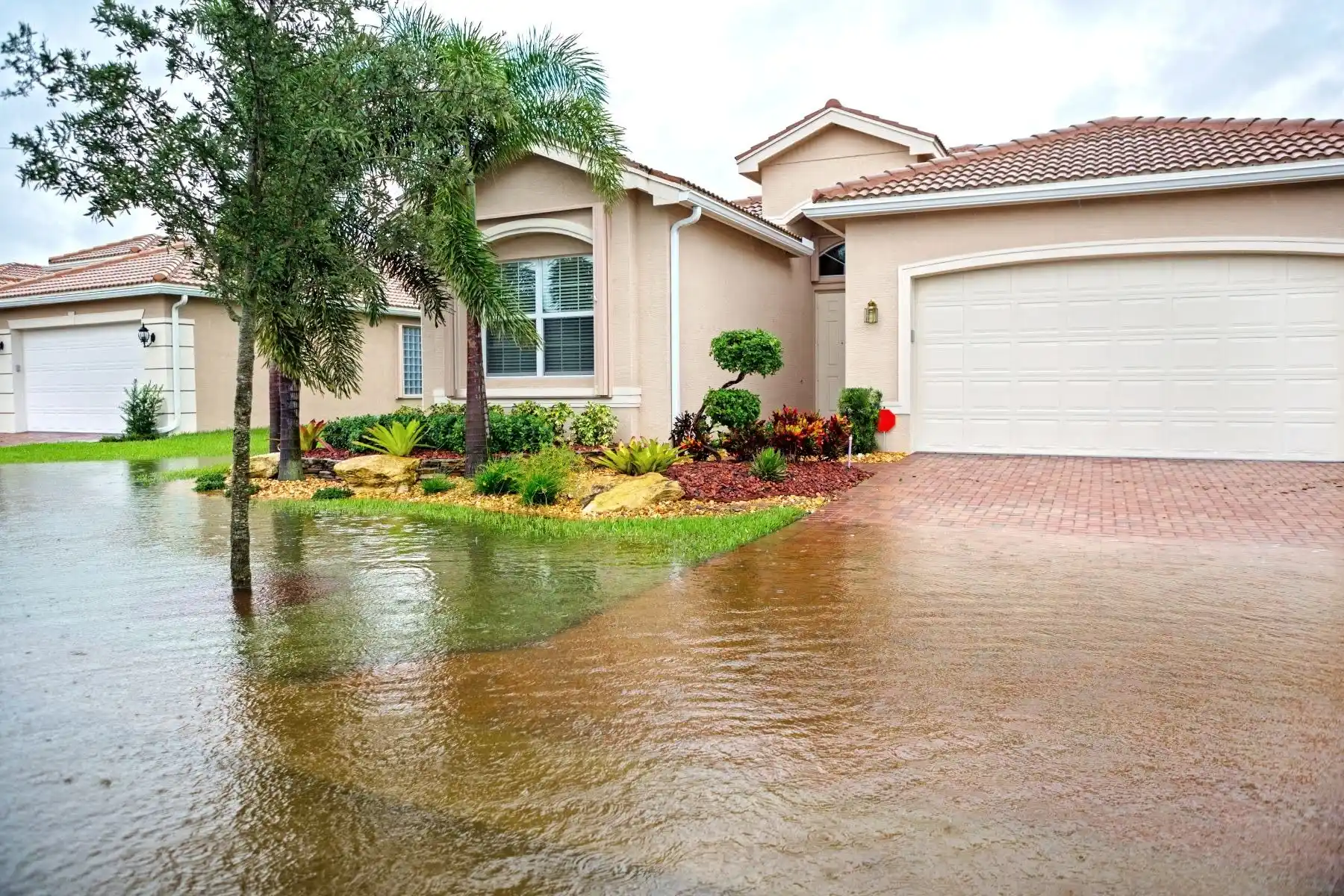
Small cracks are common in older homes, but any crack that has widened, shifted, or started showing moisture should be evaluated by a professional. Foundation cracks are the primary entry point for spring flooding and can worsen quickly as hydrostatic pressure builds.
6. Lingering Smoke or Soot Residue
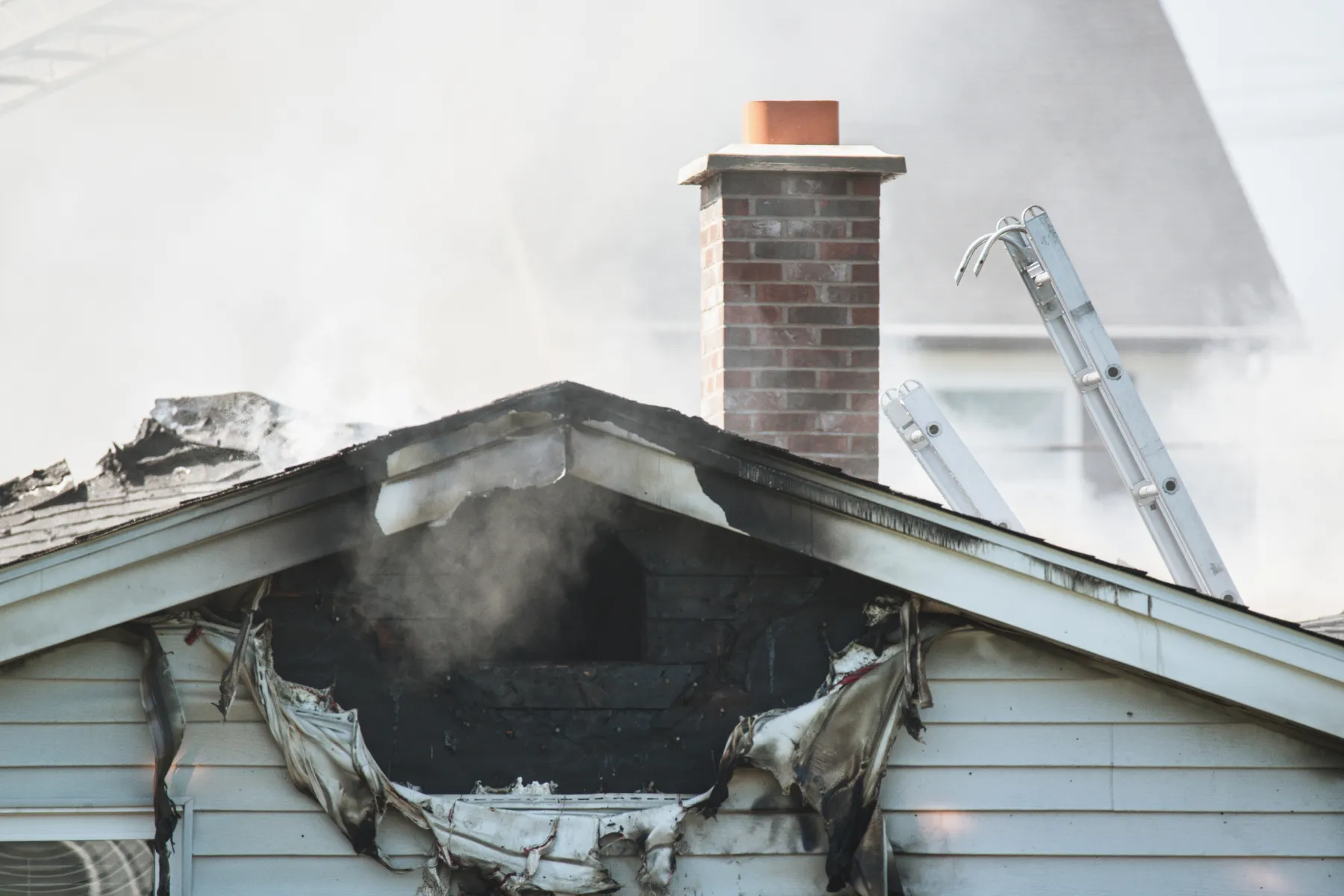
If your home had any fireplace use, kitchen incidents, or smoke exposure over the winter, residue may have settled in places that are easy to overlook. Soot and smoke particles can penetrate walls and HVAC systems, affecting air quality long after the visible damage has been wiped away.
7. Unexplained Spikes in Allergy or Respiratory Symptoms Indoors
If you or your family members are experiencing more sneezing, coughing, or congestion at home than usual, your indoor air quality may be compromised. Mold spores, dust mite activity, and lingering contaminants from winter moisture can all contribute to worsening respiratory symptoms, particularly in children and individuals with asthma.
What to Do If You Spot Any of These Warning Signs
Seeing one or more of these signs doesn't automatically mean a major disaster is unfolding, but it does mean you shouldn't ignore them. Many of the most costly home restoration projects start as small, overlooked problems that were given time to grow.
A professional inspection can identify the root cause, determine the extent of the damage, and give you a clear path forward before things escalate.
Why Homeowners Across the Country Trust 911 Restoration
911 Restoration isn't just a cleanup crew. They're a full-service restoration partner with the expertise, equipment, and compassion to handle whatever they find during an inspection.
What You Get
- Certified Professionals Who Find What Others Miss — Every 911 Restoration technician is IICRC-certified and trained to detect damage that isn't visible to the untrained eye, using advanced moisture detection tools and inspection methods.
- One Company for Every Type of Damage — Whether the inspection reveals water damage, mold, fire residue, or structural issues, 911 Restoration handles it all under one roof.
- Free Visual Inspections for Property Owners — Get an expert set of eyes on your home with no financial commitment upfront.
- Insurance Navigation, Start to Finish — They work directly with your provider to document the damage, support the claims process, and help you maximize your coverage.
Start Spring with a Clean Bill of Health
Noticed any of these warning signs in your home this spring? Schedule your free visual inspection with 911 Restoration today — no commitment, just answers.