From the beachfront communities of Waveland, Bay Saint Louis, Pass Christian, Long Beach, and Gulfport through the casino corridor and Keesler Air Force Base communities of Biloxi and D'Iberville, the bayou and Back Bay communities of Ocean Springs, Gautier, and Pascagoula, and the inland communities of Diamondhead and Moss Point, our IICRC-certified technicians understand the distinct restoration challenges facing properties along the Mississippi Gulf Coast. Whether you're dealing with hurricane flood damage, storm surge water intrusion, year-round mold driven by the Gulf Coast's subtropical humidity, sewage backup from an overwhelmed coastal infrastructure system, or fire damage in a Gulfport or Biloxi commercial property, we arrive within 45 minutes. We serve homeowners and businesses throughout the Mississippi Gulf Coast — including Harrison, Hancock, and Jackson Counties — 24 hours a day, every day of the year.
Hurricane and tropical storm flooding, Gulf of Mexico storm surge, Back Bay and bayou overflow, year-round plumbing failures in the Gulf Coast's humid subtropical climate, and HVAC condensate failures throughout the Mississippi Gulf Coast. 24/7 response.
Learn More →Complete fire and smoke damage restoration across the Mississippi Gulf Coast — from residential structure fires in established Gulf Coast communities to commercial facility fires throughout Gulfport, Biloxi, and the casino and hospitality corridor.
Learn More →The Mississippi Gulf Coast's year-round subtropical heat and Gulf humidity create the fastest mold development conditions in the region — any water intrusion can establish mold within 24 hours. Certified remediation throughout the territory with moisture source correction.
Learn More →Emergency sewage cleanup throughout the Mississippi Gulf Coast — storm surge and tropical flooding overwhelm coastal sewer infrastructure during hurricane events, creating biohazard conditions that require immediate professional response. 24/7.
Learn More →Minimizing downtime for Biloxi's casino and hospitality corridor, Gulfport's Port and commercial district, Pascagoula's Ingalls Shipbuilding-adjacent industrial base, and the retail and professional properties throughout the Mississippi Gulf Coast.
Learn More →Full structural rebuilds across the Mississippi Gulf Coast — from hurricane damage rebuilds to fire and mold restoration construction. One local Gulf Coast company serving Harrison, Hancock, and Jackson Counties, no subcontractors, start to finish.
Learn More →Certified biohazard and crime scene cleanup serving Harrison County Sheriff, Biloxi Police, Gulfport Police, and families throughout the Mississippi Gulf Coast with full Mississippi regulatory compliance.
Learn More →EPA-approved disinfection for Gulf Coast homes, Biloxi casino and hospitality properties, Keesler AFB-adjacent facilities, healthcare offices, and commercial properties throughout the Mississippi Gulf Coast.
Learn More →Immediate response to hurricanes, tropical storms, Gulf of Mexico storm surge, Back Bay flooding, severe thunderstorms, and the full range of storm events that make the Mississippi Gulf Coast one of the most weather-active territories in the United States.
Learn More →Water damage on the Mississippi Gulf Coast is defined by a geographic reality that every property owner in the territory understands: this is one of the most hurricane-exposed coastlines in the United States, and when major storms arrive, water events occur at a scale and speed that no other weather event in the country can match. Hurricane Katrina made landfall near Waveland on August 29, 2005, and produced storm surge that reached 28 feet in some coastal areas — virtually every structure between the beach and Interstate 10 sustained significant water damage during that single event. The communities of Waveland, Bay Saint Louis, Pass Christian, Long Beach, and Gulfport along Highway 90 experienced the full force of that surge, and the post-Katrina reconstruction that followed reshaped the Gulf Coast's entire built environment. The storm also established, definitively, the water damage risk that every coastal property owner between Hancock County and Jackson County must manage every hurricane season from June through November.
Beyond hurricane events, the Mississippi Gulf Coast faces water damage year-round from its subtropical climate. The Gulf Coast's combination of year-round warmth, high ambient humidity, and heavy summer thunderstorm season creates an environment where HVAC condensate line failures are among the most common non-storm water damage causes — central air systems run continuously throughout the Gulf Coast's extended cooling season, and condensate overflow into wall cavities or attic spaces creates immediate mold risk under the region's heat and humidity. The Back Bay of Biloxi, Graveline Bayou, and the tidal bayous throughout Jackson County create localized flooding risk for properties adjacent to these water bodies during tropical storm rain events and high-tide flooding. The Mississippi Gulf Coast's sandy soil and flat coastal terrain drain surface water slowly after major rainfall events, keeping foundation moisture elevated for extended periods after any significant storm.
Fire damage on the Mississippi Gulf Coast carries specific characteristics shaped by the region's climate, construction types, and the unique character of its commercial corridor. The Gulf Coast's older residential inventory — the post-war and mid-century homes throughout Gulfport, Long Beach, and Pascagoula that survived or were rebuilt after previous storm events — carries electrical systems and construction materials that reflect their era, with the specific fire risk profiles that older wiring and original building systems create. The Gulf Coast's extremely low relative humidity during winter months — when Gulf weather patterns shift and dry continental air occasionally pushes into the region — creates the fire weather conditions where ignitions spread more rapidly than the year's humid baseline would suggest.
Biloxi's casino and resort corridor represents the most commercially significant fire damage risk environment on the Gulf Coast. The major gaming resorts along US-90 — large, high-occupancy, 24-hour operations — require the fastest possible emergency response and the highest documentation standards when fire or smoke events occur. Smoke infiltration through HVAC systems during a fire event in a connected facility, or smoke from a structure fire in an adjacent property, can affect operations across multiple properties simultaneously in the dense casino corridor. Our commercial fire damage team responds to all Gulf Coast commercial fire events with the speed and professionalism these operations require.
Mold is the defining secondary damage challenge on the Mississippi Gulf Coast, and its timeline is faster here than virtually anywhere else in the United States. The Gulf Coast's subtropical climate — with year-round temperatures averaging above 65 degrees and relative humidity regularly exceeding 80 percent — creates conditions where mold development after any water intrusion can begin within 24 hours, not the 24-to-48-hour window that property owners in cooler or drier climates typically have. The urgency of professional water extraction and structural drying after any water event on the Gulf Coast is not a suggestion — it is a direct consequence of the climate that every property owner in Harrison, Hancock, and Jackson Counties must take seriously.
The post-Katrina reconstruction that reshaped the Gulf Coast created an additional mold dimension that continues to affect properties throughout the territory. Some post-Katrina rebuilds and elevated reconstructions were completed under the extreme time pressure of the recovery period, and moisture management and building envelope details in these structures may not have received the same attention as in non-emergency construction. Properties that experienced flood damage during subsequent tropical events — including Tropical Storm Lee in 2011 and the numerous heavy rainfall events that have affected the Gulf Coast since Katrina — may carry hidden mold in wall cavities and structural assemblies from events that were not fully and professionally remediated. Our certified mold remediation specialists use moisture meters, thermal imaging, and air quality testing to identify mold in both obvious and concealed locations throughout Gulf Coast properties.
Sewage emergencies on the Mississippi Gulf Coast are most frequently and most severely triggered by hurricane and tropical storm events, when storm surge and flooding overwhelm the coastal municipal infrastructure simultaneously across the entire territory. When a major hurricane makes landfall near the Gulf Coast, the sewer systems of Gulfport, Biloxi, Bay Saint Louis, and surrounding communities face simultaneous surcharge events that push sewage backward through floor drains and lower-level plumbing in properties throughout the flood zone. The resulting contamination is classified as Category 3 biohazard — the most serious contamination classification — and it occurs alongside all the other damage that a major hurricane event produces, requiring professional response at a scale and in conditions that demand experienced, equipped restoration professionals.
Beyond storm-driven events, the Mississippi Gulf Coast's aging municipal sewer infrastructure in established communities throughout Gulfport, Biloxi, and Pascagoula creates recurring sewage backup risk during the heavy summer rainfall events that regularly produce several inches of rain in short windows. Properties in lower-lying areas throughout these communities face sewage backup risk during any significant rainfall event that exceeds the system's capacity. The Gulf Coast's extreme heat amplifies the health urgency of any sewage event — pathogens spread rapidly at the ambient temperatures that characterize the Gulf Coast's nine-month warm season.
The Mississippi Gulf Coast's commercial landscape is defined by its gaming industry, its military installations, its port and maritime economy, and the hospitality and tourism sector that serves millions of visitors each year. Biloxi's casino resort corridor — anchored by MGM Grand, Beau Rivage, Harrah's, Golden Nugget, and the other major resort properties along Beach Boulevard — represents one of the most concentrated high-revenue commercial corridors in the American Southeast. Keesler Air Force Base, located within Biloxi's city limits, supports significant commercial activity in the surrounding communities. The Port of Gulfport is one of the largest import-export ports on the Gulf of Mexico, and the industrial and logistics facilities throughout the Gulfport port corridor represent significant commercial infrastructure. Pascagoula's Ingalls Shipbuilding — one of the largest shipbuilders in the United States — anchors a major industrial economy in the eastern Gulf Coast territory.
A property emergency in any of these commercial contexts carries consequences that demand the fastest possible professional response. The gaming resorts operate 24 hours a day, 365 days a year, and extended downtime in any portion of a property carries immediate revenue consequences. The military and industrial facilities have operational requirements that make professional, documented restoration response essential. Our commercial restoration team works around the clock throughout the Mississippi Gulf Coast with the equipment, expertise, and insurance documentation standards that commercial property events require.
When damage goes beyond cleanup, full reconstruction is the path forward. 911 Restoration of Gulf Coast Mississippi manages the entire process from initial damage assessment through final finishing work for homes and businesses throughout Harrison, Hancock, and Jackson Counties. The Mississippi Gulf Coast has more reconstruction experience embedded in its community than almost any territory in the country — the post-Katrina rebuild transformed the entire coastal built environment, and the decade of reconstruction that followed established what it means to rebuild Gulf Coast properties correctly in a hurricane-exposed environment. We bring that experience to every reconstruction project, working within Mississippi's building codes, FEMA flood zone requirements, and the elevation standards that apply throughout the coastal territory.
911 Restoration of Gulf Coast Mississippi provides certified biohazard and crime scene cleanup throughout the territory — serving the Harrison County Sheriff's Department, Biloxi Police Department, Gulfport Police Department, Ocean Springs Police Department, Pascagoula Police Department, and all law enforcement agencies, property management companies, and families throughout Harrison, Hancock, and Jackson Counties. Every job is handled with complete confidentiality, genuine compassion, and strict compliance with Mississippi State Department of Health regulations governing biohazardous waste handling and disposal.
Professional sanitization services for Gulf Coast homes, businesses, and commercial properties throughout Harrison, Hancock, and Jackson Counties. The Mississippi Gulf Coast's major gaming resorts and hospitality properties — which collectively host millions of guests each year — create consistent demand for documented hospital-grade disinfection that goes beyond routine cleaning. The Gulf Coast's healthcare facilities, schools, and military-adjacent service businesses all benefit from EPA-approved treatments that provide verified protection against viruses, bacteria, and harmful pathogens. Properties that have experienced flooding, sewage backup, or any contamination event require professional disinfection before they are safe for occupancy — a need that is particularly urgent in the Gulf Coast's warm, humid climate where pathogen proliferation accelerates rapidly after contamination events.
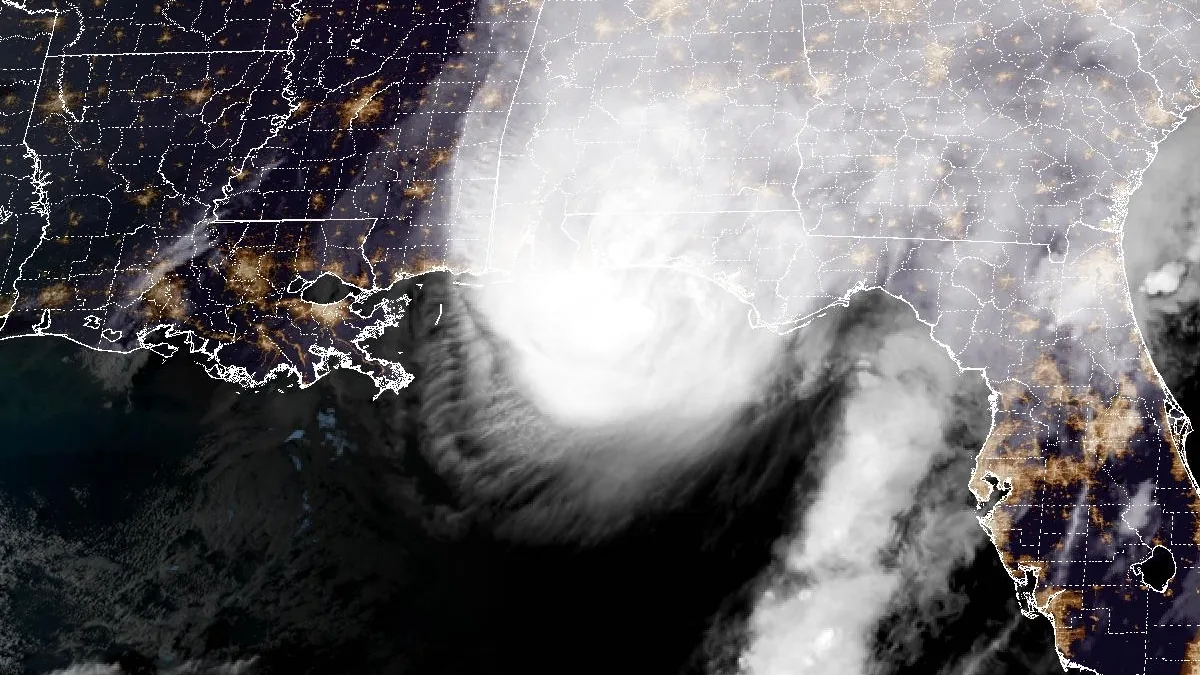
The Mississippi Gulf Coast is one of the most hurricane-vulnerable coastlines in the United States. The Gulf of Mexico's warm shallow waters fuel tropical systems that intensify rapidly as they approach the Gulf Coast, and the coastal geography of Mississippi — a relatively short coastline with limited natural barriers between the Gulf and the populated communities along Highway 90 and Interstate 10 — means that when major hurricanes make landfall, their storm surge travels inland with devastating force. Hurricane Katrina in 2005 remains the most catastrophic single weather event in American history by property damage, and its impact on the Mississippi Gulf Coast — where 30-foot storm surge in some areas destroyed virtually everything between the beach and I-10 — defines the scale of damage that the Gulf Coast's hurricane risk represents. Every property in Harrison, Hancock, and Jackson Counties exists within the potential impact zone of another major landfalling hurricane during every hurricane season from June through November.
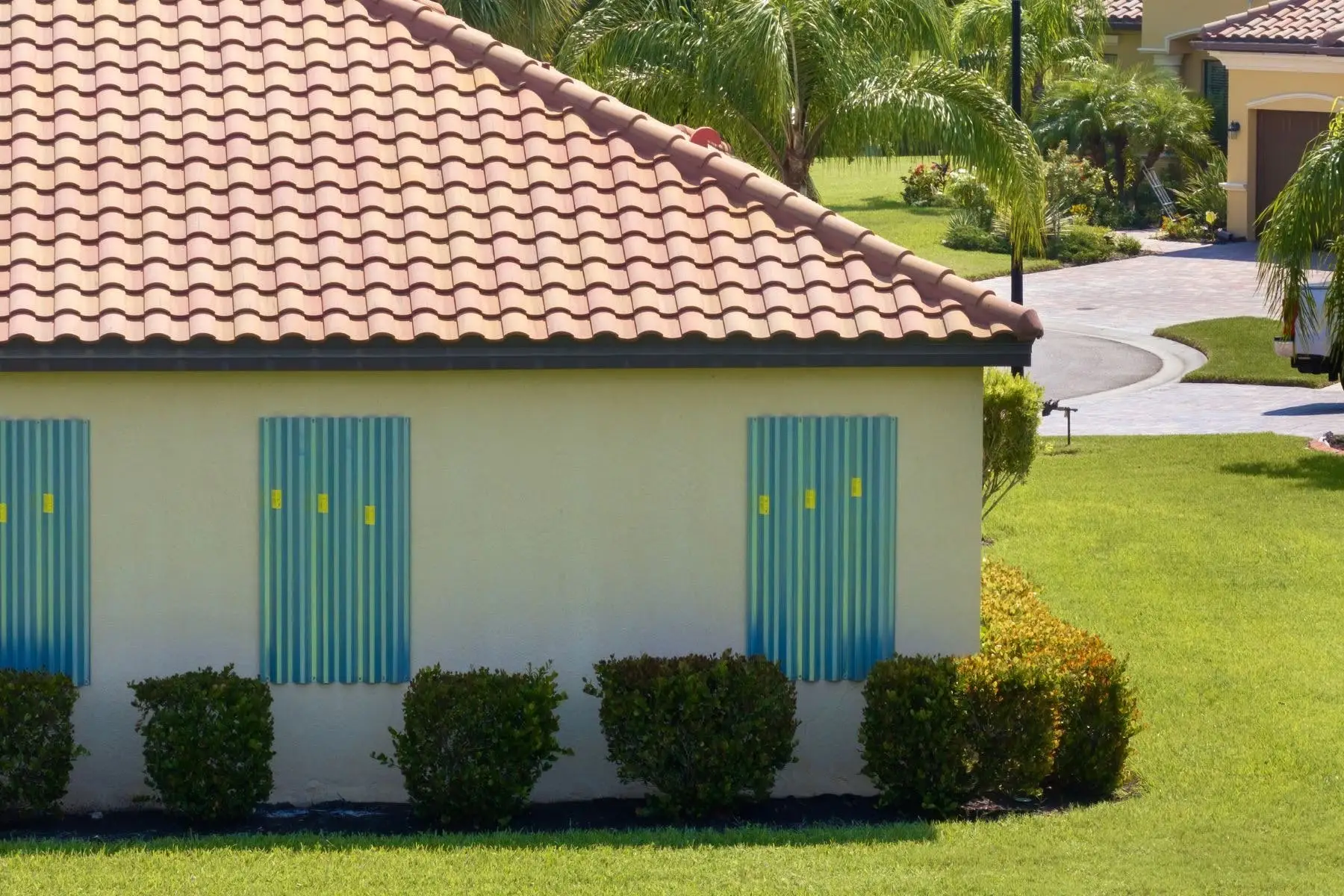
The Gulf Coast's storm environment is not limited to major hurricanes. Tropical storms and tropical depressions that lack major hurricane intensity still produce catastrophic rainfall, significant storm surge in low-lying areas, and wind damage that affects Gulf Coast properties annually. The Gulf Coast's summer severe thunderstorm season produces intense, localized damage throughout the territory. Tornadoes — spawned both by landfalling tropical systems and by the severe squall lines that move through the Gulf Coast region throughout the year — cause direct structural damage in communities across the three-county territory. Our team responds immediately to all storm and disaster events throughout the Mississippi Gulf Coast, from emergency board-up during active storm conditions through full structural reconstruction following major hurricane events.
We answer your call any time for properties throughout Harrison, Hancock, and Jackson Counties — from Bay Saint Louis, Waveland, and Pass Christian through Gulfport, Biloxi, D'Iberville, and Ocean Springs to Pascagoula, Gautier, and Moss Point. Nights, weekends, holidays, and during active tropical storm and hurricane events.
In a subtropical climate where mold development begins within 24 hours of water intrusion, fast arrival is not a convenience — it is the difference between a manageable restoration project and a mold crisis. We get there quickly and begin extraction immediately.
Hurricane restoration on the Mississippi Gulf Coast is a specialized discipline. We have the local knowledge, field experience, and equipment required to respond to Gulf Coast hurricane events at the scale and under the conditions that these events create.
We work directly with all major insurance carriers — including Mississippi's wind and flood insurance landscape — and handle the full documentation and billing process on your behalf for Gulf Coast residential and commercial properties.
Professionally certified restoration specialists experienced with the Mississippi Gulf Coast's specific restoration conditions — subtropical mold timelines, storm surge flooding, coastal construction types, and FEMA flood zone reconstruction requirements.
One local Gulf Coast company handles everything from emergency cleanup through complete reconstruction throughout Harrison, Hancock, and Jackson Counties. No handoffs, no gaps in accountability, no delays from subcontractor coordination when it matters most.
Our restoration team typically arrives within 45 minutes of your call anywhere in the Mississippi Gulf Coast territory, including Gulfport, Biloxi, Ocean Springs, Bay Saint Louis, Waveland, Pascagoula, Gautier, D'Iberville, Long Beach, Pass Christian, and all surrounding communities. We're available 24 hours a day, 7 days a week, including holidays and during active tropical storm events. Call (228) 280-0003 for immediate assistance.
In the Mississippi Gulf Coast's subtropical climate, mold can begin establishing in water-damaged materials within 24 hours — faster than almost anywhere else in the country. The combination of year-round warmth and high Gulf humidity creates near-ideal mold growth conditions as a baseline. Any water intrusion requires immediate professional response. Call (228) 280-0003 immediately after any water event — do not wait to see if it dries on its own.
Yes. Hurricane and tropical storm response is our primary large-scale restoration capability on the Mississippi Gulf Coast. We respond during and immediately after storm events — emergency tarping, board-up, and water extraction begin as soon as conditions are safe. Call (228) 280-0003 as soon as it is safe to do so after any tropical weather event — the sooner we begin, the less total damage your property sustains.
Yes. We work directly with all major insurance carriers and handle the full documentation and claims process on your behalf for Mississippi Gulf Coast residential and commercial properties — including coordination with wind and flood insurance carriers.
Most residential water damage restoration projects take 3 to 5 days depending on scope and severity. The Gulf Coast's subtropical humidity can extend structural drying timelines compared to drier climates, and our equipment is calibrated specifically for Gulf Coast conditions. Hurricane-scale events requiring reconstruction take significantly longer. We provide a detailed timeline after our initial on-site assessment.
Yes. We provide free on-site assessments and estimates for all restoration services throughout the Mississippi Gulf Coast. Call (228) 280-0003 to schedule your inspection.
We serve all of the Mississippi Gulf Coast including Gulfport, Biloxi, Ocean Springs, Bay Saint Louis, Waveland, Pass Christian, Long Beach, Diamondhead, D'Iberville, Gautier, Pascagoula, Moss Point, and all surrounding communities throughout Harrison, Hancock, and Jackson Counties.
2 years ago
4 weeks ago
a week ago
6 days ago
a month ago
3 months ago
a month ago
3 weeks ago
a week ago
a week ago
5 months ago
a month ago