Older Sewer Systems Weren't Built for Today's Demand
Many American sewer systems were built decades before today's population density existed. Pipes laid in the 1950s and 1960s were sized for a smaller number of households, fewer dishwashers, and none of the water use habits that strain a system today.
When a city's underground infrastructure was never rebuilt to match current demand, the risk of a sewer backup climbs every year the pipes stay in the ground.
How Cast Iron & Clay Pipe Fail From the Inside
Cast iron and clay pipe, the two most common materials in older sewer systems, degrade in ways that are hard to see from street level.
Cast iron corrodes from the inside, narrowing the pipe until even a bathtub full of water can back up two floors of plumbing. Clay pipe cracks and shifts as tree roots search out moisture, and a single root intrusion can turn a small trickle into a full blockage within a season.
Combined Sewer Systems & Basement Backups
Some of the oldest cities in the country still run combined sewer systems, where stormwater and wastewater share the same pipe. During heavy rain, that shared pipe can exceed its capacity fast.
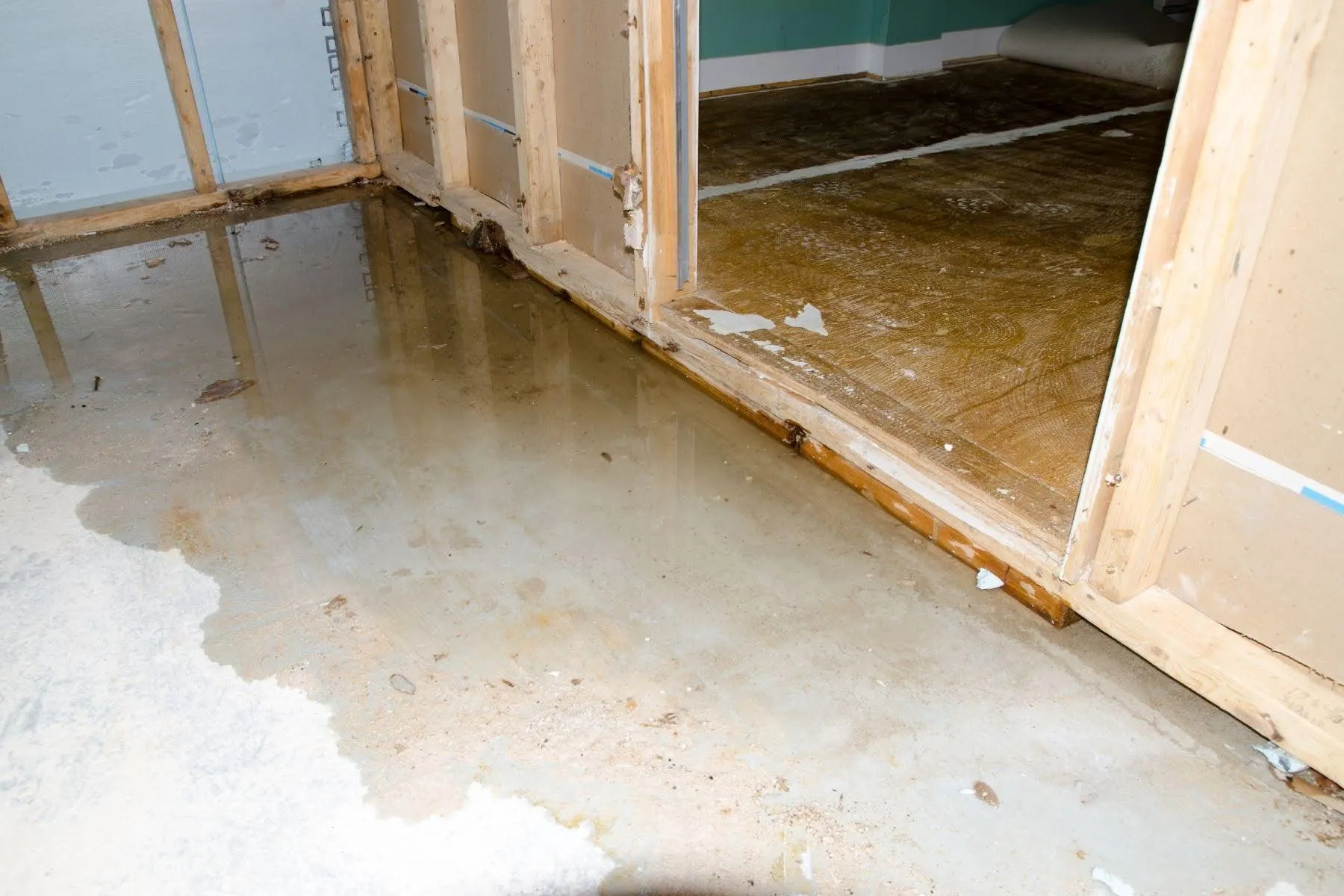
When it does, the excess has nowhere to go but back through household drains and floor drains in basements.
This is different from a simple clogged pipe. It is a design limit built into the system itself, and no amount of at-home maintenance changes how much volume the pipe can carry.
Early Warning Signs of a Sewer Line Backup
- Slow drains on the lowest floor of the home
- Gurgling sounds from toilets after a neighbor runs their washing machine
- A faint sewage smell near floor drains, even with no visible water
What Puts a Property at Higher Risk for Sewer Backups
Homes Built Before 1980
When clay and unlined cast iron pipe was standard, older homes carry more risk on their own.
Mature Trees Near the Line
Properties on streets with mature trees planted close to the sewer line face a higher chance of root intrusion.
Below-Grade Basements
Basements or lower-level units below the street grade add another layer, since gravity sends backup water to the lowest point first.
Combined Sewer Neighborhoods
Neighborhoods still served by combined sewer systems rather than separated storm and sanitary lines carry the highest risk of all.
- Shut off water use in the home right away.
- Avoid contact with the affected area.
- Call a restoration company with sewage-specific training rather than a general contractor.
911 Restoration's sewage cleanup services address both the extraction and the sanitizing steps a backup requires, since the two cannot be separated safely.
Cities Where Aging Sewer Infrastructure Raises the Risk
Jersey City
Jersey City sits on infrastructure that predates most of the state's modern building codes. Our Jersey City team handles the sewer backup calls that come with a dense, older housing stock built close together.
Learn more →Columbus
Columbus has grown fast around a downtown core built for a much smaller population. Our Columbus branch sees the strain that puts on pipe capacity in the older neighborhoods ringing the city center.
Learn more →Washington DC
Washington DC's rowhouse neighborhoods run on infrastructure that in some blocks dates back over a century. Our Washington DC team responds to backups tied to both aging pipe and the combined sewer system that still serves parts of the district.
Learn more →Minneapolis
Minneapolis has invested in separating its storm and sanitary sewers over the past few decades, but pockets of the older system remain. Our Minneapolis branch still fields calls from homes in those areas during heavy rain events.
Learn more →911 Restoration: 24/7 Sewage Backup Cleanup
Waiting to call after a backup gives contamination more time to spread into flooring, drywall, and anything porous nearby. 911 Restoration provides 24/7 sewage cleanup backed by IICRC-certified crews who handle the extraction, sanitizing, and drying in one visit, so the problem doesn't come back once the water is gone.