24/7 Emergency Restoration in Washington, Arlington, Alexandria, Fairfax, Bethesda, Rockville, and Surrounding Communities
911 Restoration of Washington DC handles water damage, sewage backups, mold, fire, and storm damage in Washington, Arlington, Alexandria, Mount Vernon, Fairfax, Manassas, Herndon, Sterling, Ashburn, Rockville, Bethesda, and Germantown. Four things drive most of the damage here: summer thunderstorms that drop several inches of rain in a few hours and overwhelm storm drains, combined sewers in the District that carry stormwater and wastewater in the same pipes, tidal and storm flooding along the Potomac waterfront, and winter storms that bring heavy snow and frozen pipes. Our crews work from Vine Street in Franconia, in Fairfax County, with a typical 45-minute arrival in the District, Arlington, Alexandria, Mount Vernon, and Fairfax, and are dispatched right away to Loudoun and Prince William counties and Montgomery County, Maryland. The same team handles the emergency, the cleanup, the documentation for your insurance carrier, and the rebuilding.
Quick answer: 911 Restoration of Washington DC provides 24/7 water, fire, mold, sewage, and storm damage restoration across Washington DC and nearby Virginia and Maryland, with IICRC-certified crews and Direct Insurance Coordination. On July 8, 2019, the National Weather Service issued a Flash Flood Emergency for Washington DC and parts of Alexandria, Arlington, and eastern Fairfax County after three to four inches of rain fell in a very short time. Typical arrival is 45 minutes in the District, Arlington, Alexandria, Mount Vernon, and Fairfax. Call (202) 873-1525.
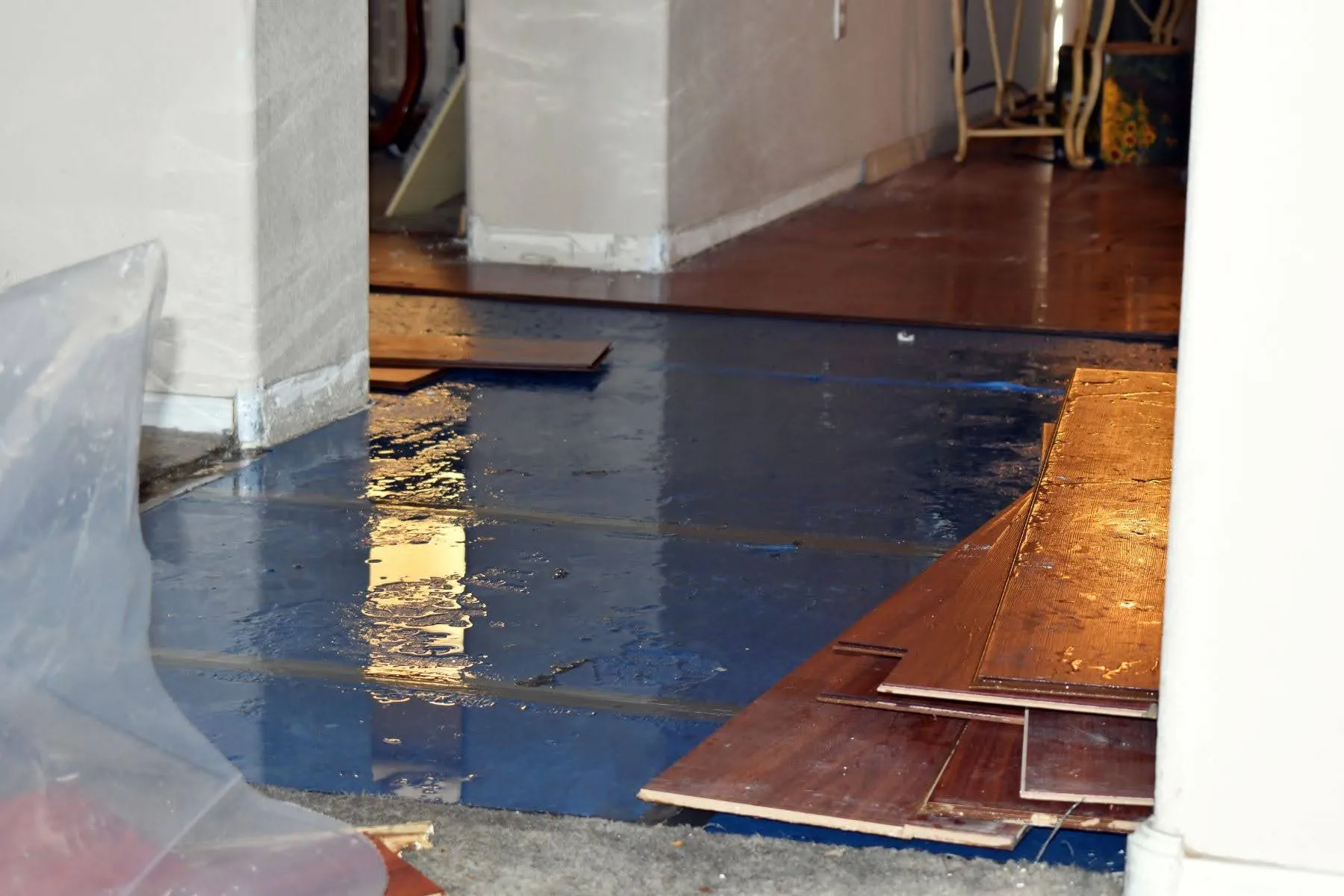
Flash flood water in basements and below-grade units, burst pipes in hard freezes, and storm drain overflows, dried to verified targets with daily readings.
Learn about water damage →Board-up, soot and smoke cleanup, and drying of rooms and lower floors soaked by firefighting water.
Learn about fire damage →Containment and removal of mold after floods and leaks, done to District licensing rules in Washington and Virginia certification rules across the river.
Learn about mold remediation →Cleanup and disinfection when heavy rain pushes combined sewer water up through basement drains in the District.
Learn about sewage cleanup →Response for offices, hospitals, campuses, retail, and multifamily buildings, phased around operations.
Learn about commercial restoration →Rebuilding walls, floors, basements, and roofs after water, fire, or storm damage.
Learn about reconstruction →Discreet biohazard cleanup with disposal under District, Virginia, and Maryland medical waste rules.
Learn about crime scene cleanup →Disinfection after floodwater, sewer backups, illness, and hoarding conditions.
Learn about sanitization →Tarping, board-up, and drying after thunderstorms, tornadoes, heavy snow, and ice dams.
Learn about storm damage →Washington, DC. DC Water says the federal government built much of the District's sewer system in the late 1800s and early 1900s, and the same pipes carry stormwater and wastewater. In heavy rain that water can rise through basement drains. DC Water's Northeast Boundary Tunnel cuts the chance of flooding in chronic flood areas such as Bloomingdale and LeDroit Park, but a hard storm can still put water below grade.
Arlington, Alexandria, and Mount Vernon. The July 8, 2019 Flash Flood Emergency covered Arlington, Alexandria, and eastern Fairfax County. In Old Town, the river itself is part of the risk: tidal and storm flooding reaches lower King Street and the waterfront again and again.
Fairfax, Mantua, and the communities around the office in Franconia. On July 8, 2019, the National Weather Service recorded 4.17 inches of rain in McLean in 24 hours, and flash flood warnings have named the City of Fairfax since. Basement flooding can occur quickly when storm drains back up.
Herndon, Sterling, Ashburn, Manassas, Rockville, Bethesda, and Germantown. The January 2016 blizzard left 36 inches of snow in Ashburn, the National Weather Service confirmed a tornado in Herndon, and flash flooding has forced water rescues in Montgomery County. Crews are dispatched to these areas right away, and we give you the arrival time when you call.
From our Franconia office, crews respond 24/7 with a typical 45-minute arrival in Washington, Arlington, Alexandria, Mount Vernon, and Fairfax, and are dispatched right away to Loudoun and Prince William counties and Montgomery County, Maryland, including Washington, DC, Arlington, Alexandria, Mount Vernon, Fairfax, Manassas, Herndon, Sterling, Ashburn, Rockville, Bethesda, and Germantown. Not sure whether your address is in our area? Call (202) 873-1525 and we will tell you right away or connect you with the right team.
We answer every call at any hour and dispatch a crew right away. Typical arrival is 45 minutes in the District, Arlington, Alexandria, Mount Vernon, and Fairfax, and for Loudoun, Prince William, and Montgomery County addresses we tell you the arrival time when you call.
Trained crews with moisture meters, thermal imaging, and the containment and disinfection equipment each job requires.
Photos, moisture readings, and a written scope for your adjuster, with communication and billing handled for you.
Crews based in Franconia who work in the District, the Virginia suburbs, and Montgomery County every week and know each jurisdiction's rules.
The same team handles the emergency, the cleanup, and the reconstruction.
Extraction, disinfection, and drying for storm water and sewer backups in basements and below-grade units.
Flash floods, sewer backups, and frozen pipes get worse every hour they wait. We hope you never need us, but when you do, we are ready.
Coverage
Testimonials
4.9 Stars Average Rating*
Blog
Practical guidance to protect your home or business — before disaster strikes and after.