Hidden Mold Behind Your Walls: Warning Signs & What to Do
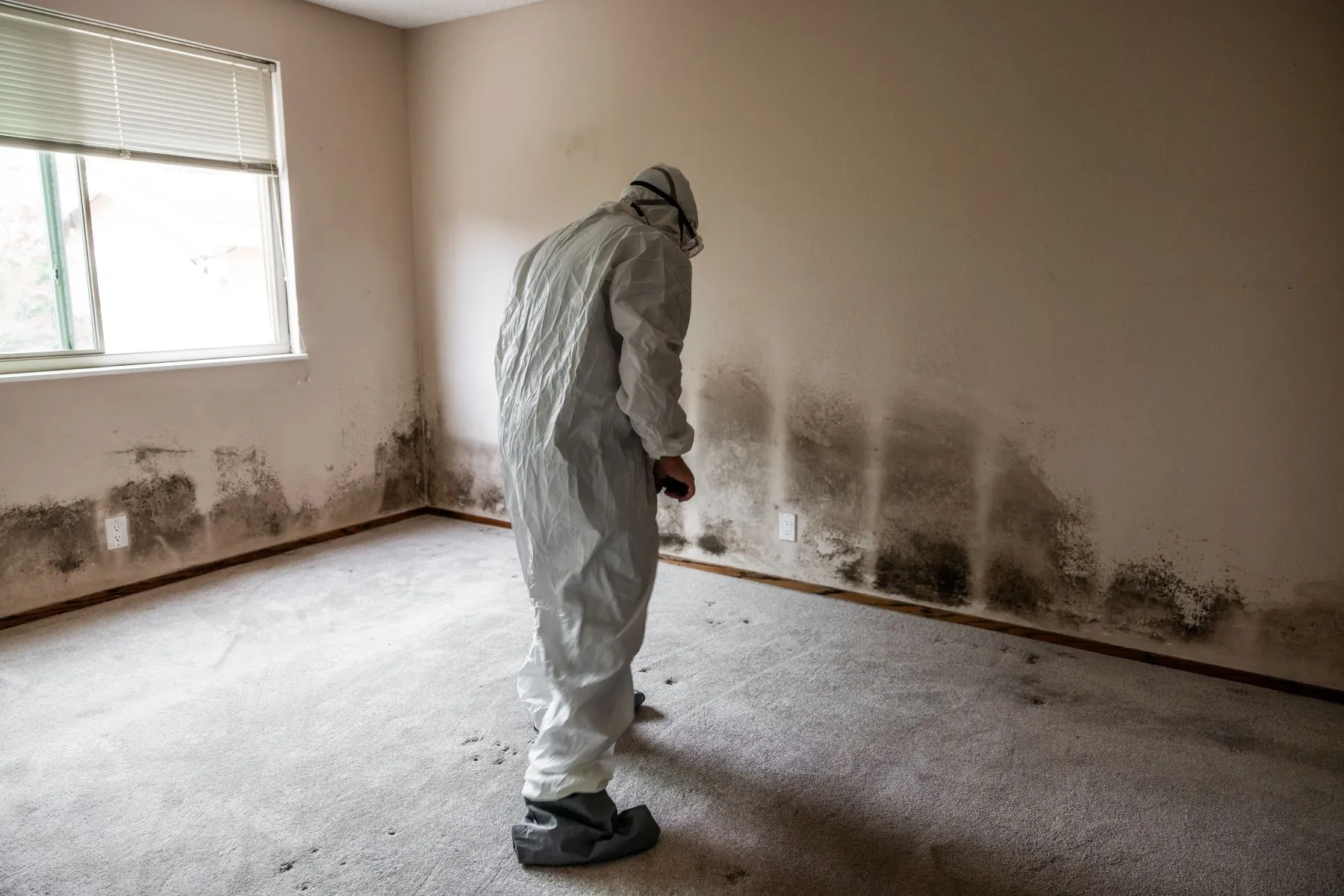
Mold doesn't always announce itself with visible growth or a dramatic stain. In fact, some of the most serious mold problems hide completely out of sight, behind drywall, under flooring, and inside wall cavities where moisture quietly collects. By the time it's visible, it has often been growing for weeks or months.
Here's how to recognize the warning signs and what to do before it gets worse.
Common Warning Signs of Hidden Mold in Your Home
Musty Odors You Can't Explain
A persistent musty or earthy smell is one of the most reliable indicators of hidden mold. If the odor is stronger in certain rooms, near walls, or around vents, mold growth inside the wall structure is a likely cause.
Visible Discoloration or Bubbling Paint
Paint that is bubbling, peeling, or showing unexplained discoloration often signals moisture trapped behind the surface. That moisture creates ideal conditions for mold to grow where you can't see it.
Warping or Soft Spots on Walls
Press gently on areas of drywall that look or feel off. Softness, warping, or a spongy texture suggests prolonged moisture exposure, which typically means mold has already taken hold behind the surface.
Allergy Symptoms That Get Worse Indoors
If household members experience increased sneezing, coughing, congestion, or irritated eyes specifically when at home, airborne mold spores may be the culprit. Symptoms that improve when you leave the house are a significant red flag.
What Causes Mold to Grow Inside Walls
Leaking Pipes Behind Drywall
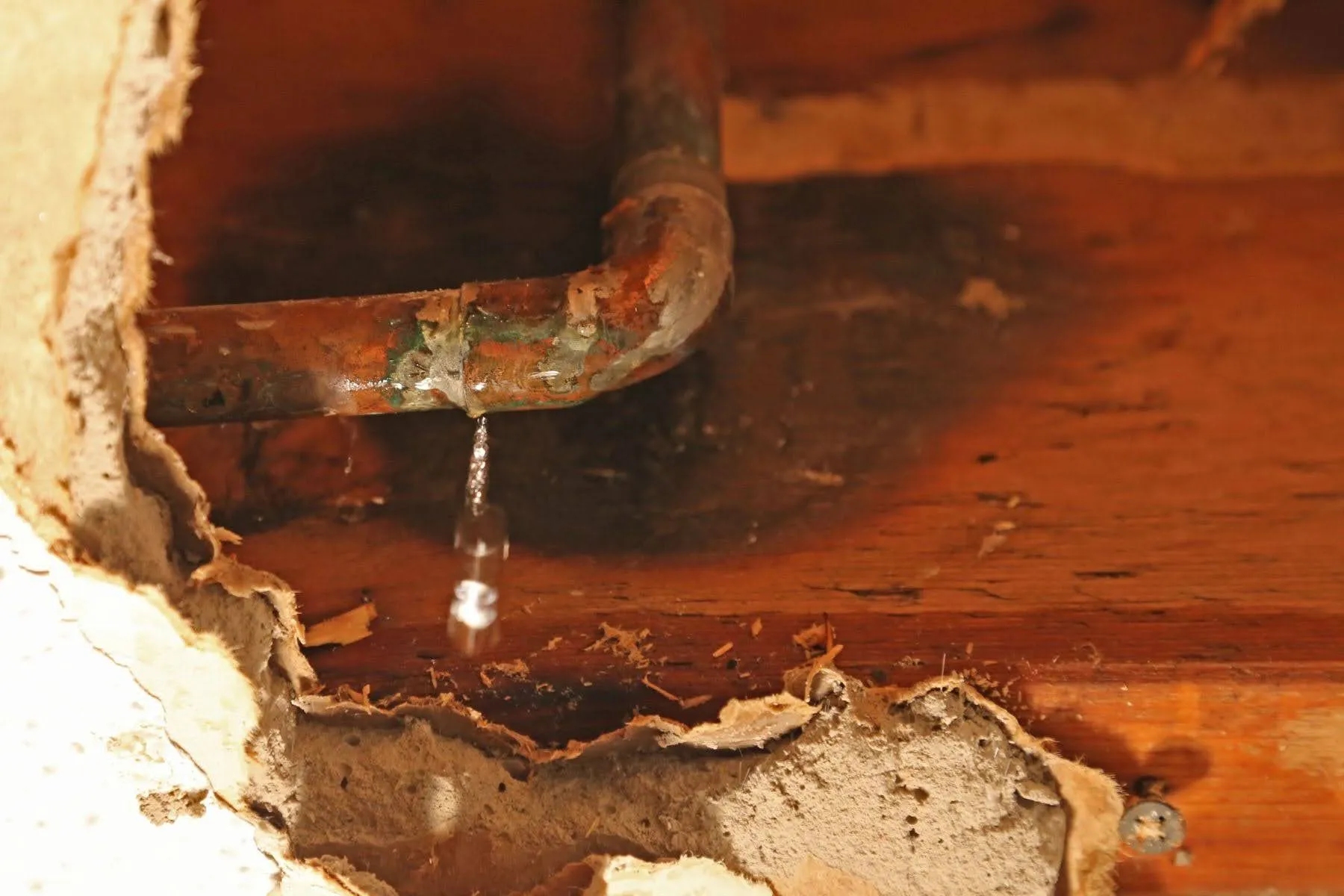
Slow pipe leaks are a leading cause of hidden wall mold. Because the water never reaches the surface, the damage can continue undetected for months while mold spreads through insulation and framing.
Poor Ventilation in High-Humidity Areas
Bathrooms, kitchens, and laundry rooms generate significant moisture. Without proper ventilation, that humidity seeps into walls and creates the dark, damp environment mold thrives in.
Flooding or Water Damage Not Fully Dried
Even after visible water is removed, moisture trapped inside wall cavities can linger for days or weeks. If the drying process was incomplete after a flood or leak, mold growth is almost inevitable.
How to Check for Mold Behind Your Walls
Several practical steps can help you spot hidden moisture and mold before it spreads further.
Look for Moisture with a Humidity Meter
- A basic moisture meter, available at most hardware stores, can detect elevated moisture levels inside walls without cutting into drywall. Readings above 17% in building materials typically indicate a problem.
- Focus your inspection near bathrooms, under sinks, around windows, and along any exterior-facing wall. These are the areas most prone to condensation and water intrusion.
When to Call a Professional Mold Inspector
- If you have persistent odors, health symptoms, or a history of water damage and are not sure whether mold is present, a professional inspection is the safest next step.
- Certified inspectors use tools like thermal imaging and air quality testing to find mold without unnecessary demolition.
Can You Remove Mold Behind Walls Yourself?
Surface mold on a small, contained area is one thing. Mold inside wall cavities is another. Cutting into drywall without proper containment can release thousands of spores into your home's air, spreading the problem to previously unaffected areas.
Professional remediation does not just remove visible mold. It addresses the moisture source and verifies the air quality before the job is considered complete.
What Professional Mold Remediation Involves
- Contain the affected area to prevent cross-contamination
- Remove and safely dispose of compromised materials
- Treat the underlying structure with professional-grade antimicrobials
- Dry and restore the space to prevent recurrence
Why Choose 911 Restoration for Mold Remediation
IICRC-Certified Specialists
Every 911 Restoration technician is certified by the Institute of Inspection, Cleaning and Restoration Certification (IICRC). That means your home is handled by trained professionals using proven, industry-standard methods.
Fast Response to Stop Spreading
Mold spreads quickly. 911 Restoration responds 24/7 with an average 45-minute response time, so you are not left waiting while the problem grows.
Full-Service: Inspection to Restoration
911 Restoration handles the entire process, from identifying the moisture source and removing contaminated materials to drying, treating, and fully restoring the affected space. One team, start to finish.
Free Visual Inspections
Not sure if you have a mold problem? 911 Restoration offers free visual inspections so you can get answers without any upfront cost or commitment.
Insurance Claims Assistance Included
Navigating a mold claim can be stressful. 911 Restoration works directly with your insurance company, helping document the damage and move the process forward so you can focus on getting back to normal.
Get Expert Mold Help from 911 Restoration Today
Hidden mold is not a wait-and-see problem. The longer it goes untreated, the deeper it spreads and the more costly it becomes to fix. If you suspect mold behind your walls, contact 911 Restoration 24/7 for a free visual inspection and expert mold remediation you can trust.