Professional Sewage Backup Cleanup & Restoration
A sewage backup is one of the most serious home emergencies a property owner can face. When wastewater enters your home, it brings harmful bacteria, viruses, and contaminants that can pose significant health risks.
Whether caused by clogged sewer lines, aging infrastructure, heavy rainfall, or frozen pipes, sewage backups require immediate professional cleanup to prevent further damage and contamination.
Understanding the risks and knowing what to expect during sewage backup cleanup can help homeowners respond quickly and protect their property.
Why Sewage Backups Are a Serious Health Hazard
Unlike clean water leaks, sewage contains hazardous contaminants that can threaten both property and personal health.
Sewage water may contain:
Common Contaminants Found in Sewage Water
- Bacteria such as E. coli and Salmonella
- Viruses and parasites
- Industrial chemicals
- Household waste and toxins
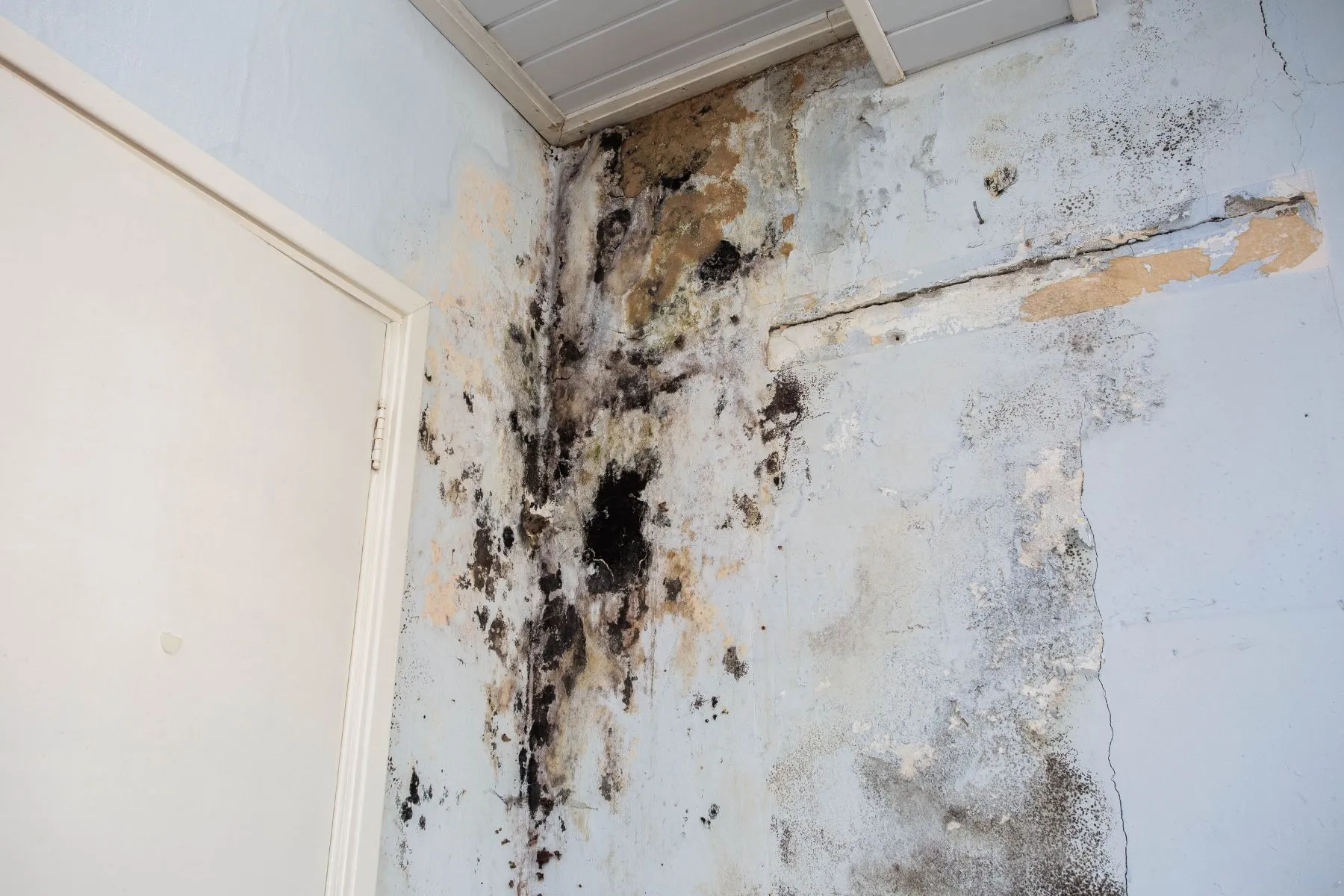
- Mold and fungal spores
Common Causes of Sewage Backups in Homes
Sewer backups can happen for a variety of reasons, especially in regions with older infrastructure or extreme seasonal weather.
Plumbing & Infrastructure Issues
- Blocked sewer lines from grease or debris
- Tree root intrusion into underground pipes
- Aging or damaged sewer systems
- Collapsed or cracked sewer pipes
- Improperly flushed materials such as wipes
Weather & Seasonal Conditions
- Heavy rain placing strain on municipal sewer systems
- Snowmelt increasing the risk of residential backups
- Freezing temperatures stressing sewer systems
How Delays Can Make Sewage Damage Worse
- Soak into drywall, flooring, and insulation
- Spread bacteria throughout the property
- Create strong odors that linger for weeks
- Increase the risk of mold growth
- Cause permanent structural damage
The Professional Sewage Cleanup Process
Safety Inspection & Damage Assessment
Technicians inspect the property to determine the extent of contamination and identify the source, using moisture detection tools, damage assessment of floors and walls, and inspection of plumbing and drainage systems.
Removal of Contaminated Water & Waste
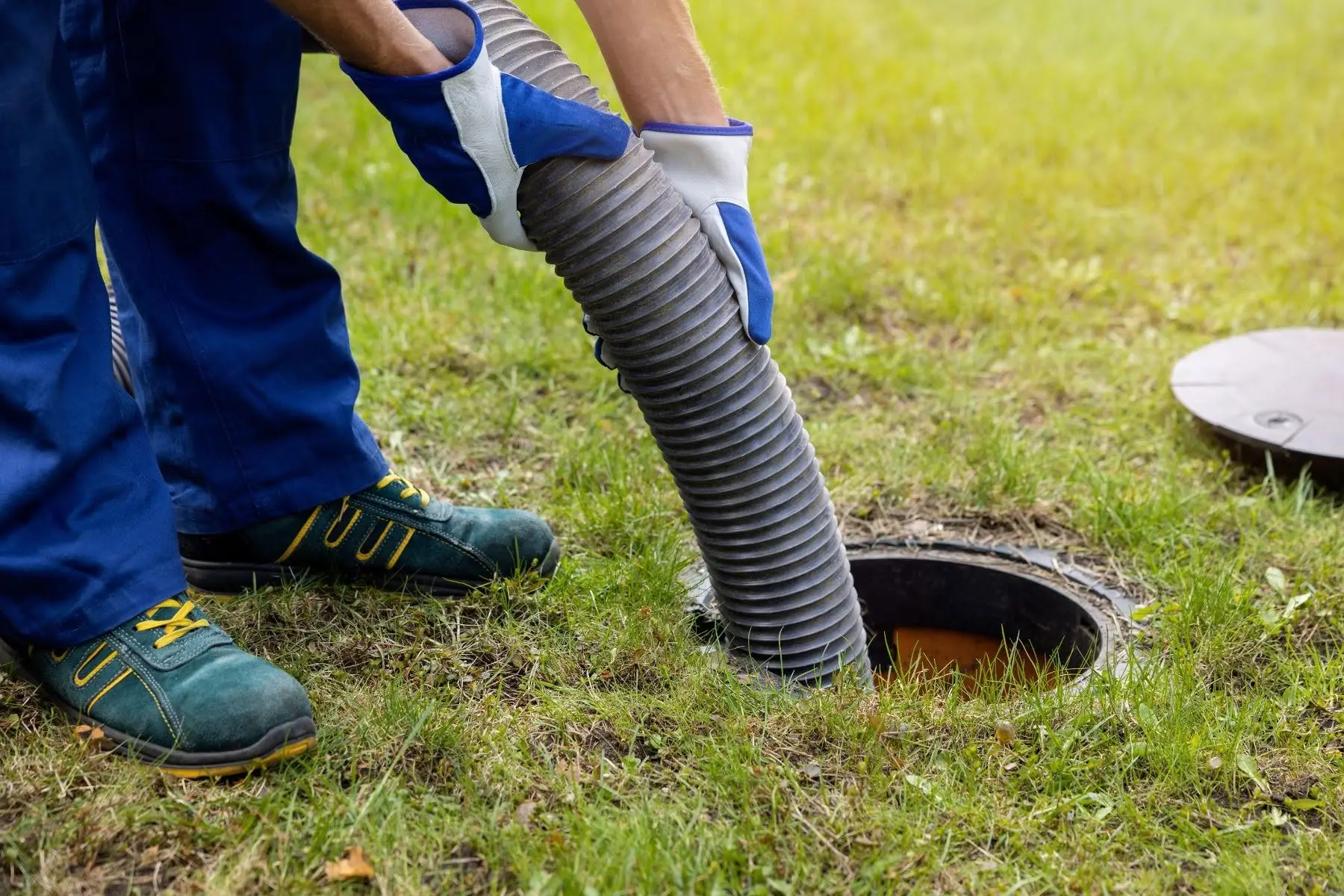
Professionals remove contaminated water and debris using industrial pumps and vacuums, removal of contaminated materials, and disposal of damaged carpets or insulation.
Cleaning & Sanitizing Affected Areas
All affected surfaces are disinfected to eliminate bacteria and pathogens using antimicrobial treatments, hospital-grade disinfectants, and HEPA filtration equipment.
Drying & Dehumidification
To prevent mold growth, restoration professionals use commercial air movers, industrial dehumidifiers, and moisture monitoring equipment.
Restoration & Repairs
The final step involves replacing drywall or insulation, installing new flooring, structural repairs, and odor removal treatments. A full-service restoration company can manage both cleanup and reconstruction.
Why DIY Sewage Cleanup Is Dangerous
While homeowners may be tempted to clean sewage themselves, DIY cleanup can expose them to dangerous pathogens and result in incomplete sanitation.
Professional sewage cleanup services use protective equipment, specialized cleaning solutions, and industrial drying systems to ensure safe and complete restoration.
Risks of Cleaning It Yourself
- Exposure to harmful bacteria and viruses
- Improper disposal of contaminated materials
- Hidden moisture that leads to mold growth
- Persistent odors and lingering contamination
Ways to Reduce the Risk of Sewer Backups
- Scheduling regular sewer line inspections
- Avoiding flushing wipes, grease, or food waste
- Installing a backwater valve in older homes
- Maintaining proper drainage around the property
- Addressing plumbing issues quickly
Contact 911 Restoration for Professional Sewage Cleanup Services
Sewage backups require immediate professional attention to protect your home and your health. 911 Restoration provides professional sewage backup cleanup services nationwide, helping homeowners recover safely from sewage emergencies.
Our restoration specialists use advanced equipment to remove contaminated water, disinfect affected areas, and restore damaged structures. If your home experiences a sewage backup, fast professional cleanup can prevent serious damage and help return your property to a safe condition.
Has Your Home Been Affected by a Sewage Backup?
Our team is available 24/7 to respond quickly, remove contamination, and restore your home safely.