Storm Damage Restoration
Summer is peak storm season across much of the Midwest and Great Plains. Powerful thunderstorms can bring damaging winds, large hail, heavy rainfall, flash flooding, and even tornadoes, often with little warning.
When severe weather strikes, property damage can happen quickly. Knowing what to do after a storm can help protect your home or business, prevent additional damage, and support a smoother recovery process.
Common Types of Summer Storm Damage
Wind Damage
Strong winds can tear off shingles, damage siding, break windows, and send debris into buildings. Even if damage appears minor, wind can create openings that allow water to enter the property.
Hail Damage
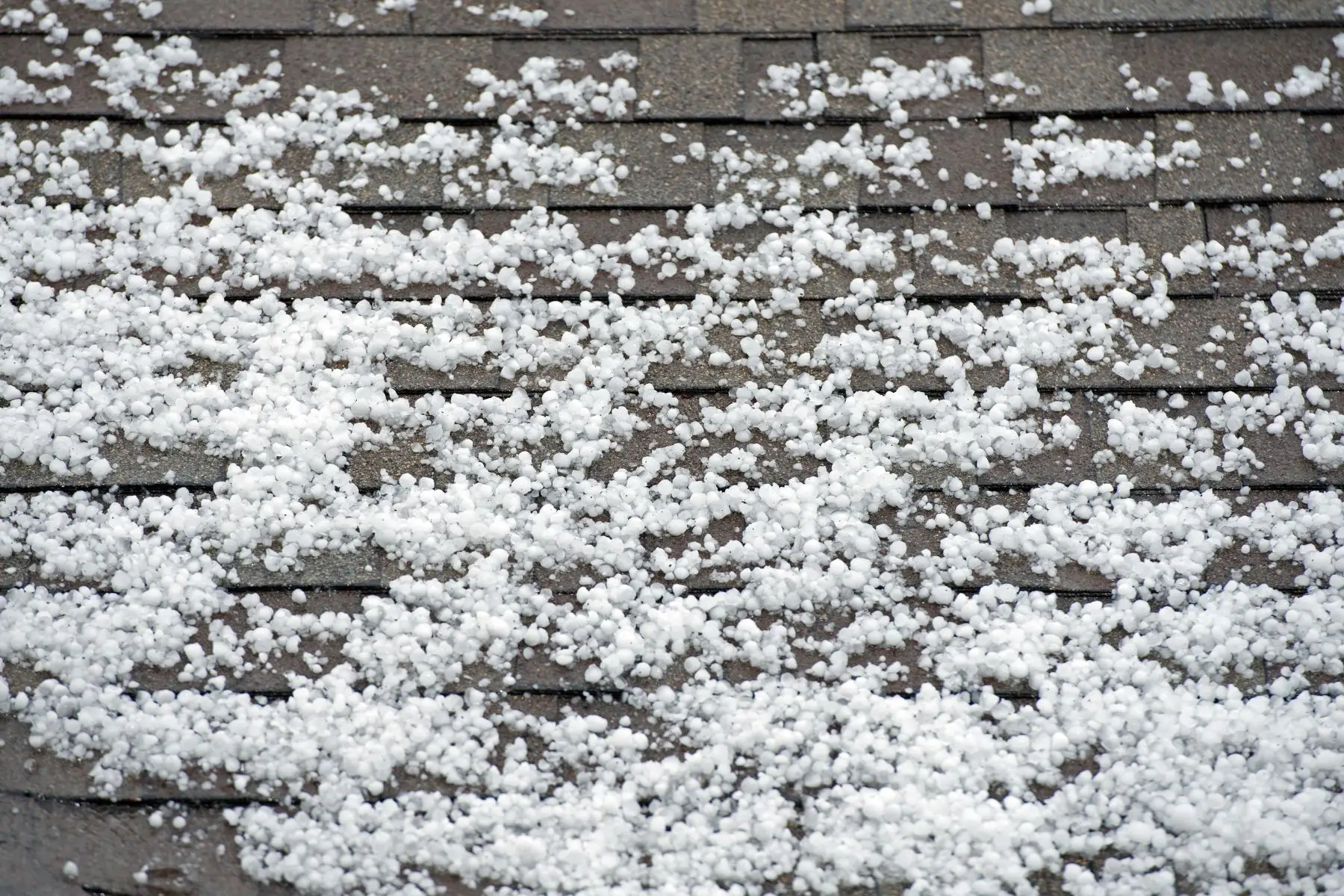
Hail can damage roofing materials, gutters, siding, skylights, and outdoor equipment. Some hail damage may not be immediately visible but can lead to leaks and long-term deterioration.
Water Damage & Flooding
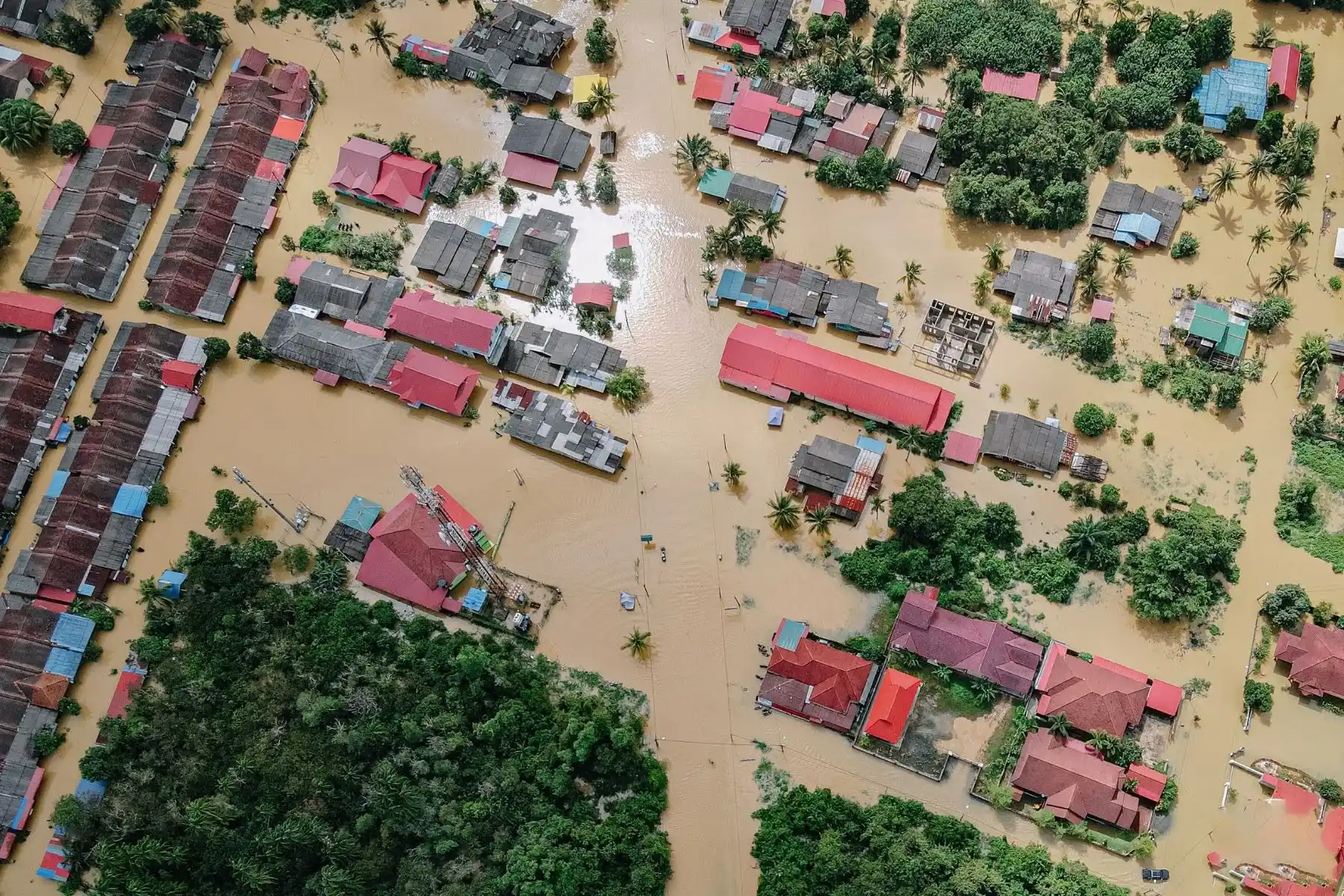
Heavy rainfall can overwhelm drainage systems and lead to flooding around homes and commercial buildings. Water may enter through roofs, doors, windows, or foundation cracks.
Fallen Trees & Debris
Storms can cause trees and large branches to fall onto structures, vehicles, and utility lines. This type of damage often requires immediate attention to ensure safety and prevent further property loss.
What to Do After Storm Damage
Prioritize Safety
Before inspecting your property, look for hazards such as downed power lines, broken glass, exposed wiring, or unstable structures. If severe structural damage is present, avoid entering the building until it has been evaluated.
Document the Damage
Take photos and videos of all visible damage. This documentation can help support insurance claims and provide a clear record of the property's condition following the storm.
Prevent Additional Damage
If it is safe to do so, take temporary measures to limit further damage. Cover exposed roof areas, board up broken windows, and move valuable items away from affected spaces.
Signs You May Need Professional Storm Damage Restoration
Hidden Water Intrusion
Water may enter attics, walls, crawl spaces, and other areas that are difficult to inspect. Hidden moisture can lead to structural damage and mold growth.
Roofing Damage
Missing shingles, damaged flashing, and punctures caused by hail or debris can leave your property vulnerable to future leaks.
Structural Concerns
Cracks, sagging ceilings, or shifting building materials may indicate more serious damage that requires professional evaluation.
Mold Growth
Warm temperatures and excess moisture create ideal conditions for mold growth — see the warning below.
How 911 Restoration Helps After Severe Storm Damage
Storm damage often involves more than what is visible from the ground. Hidden moisture, structural issues, and water intrusion can continue to cause problems long after the storm passes.
Emergency Storm Damage Mitigation
- Fast mitigation helps reduce secondary damage. 911 Restoration can assist with emergency tarping, water removal, debris cleanup, and property stabilization.
Water Extraction and Drying
- Heavy rain and flooding can leave moisture trapped behind walls and beneath flooring. Professional drying helps prevent mold growth and additional damage.
Comprehensive Storm Damage Restoration
Recovering from a severe storm often requires more than cleanup alone. 911 Restoration provides restoration services designed to address both immediate and long-term property damage.
Preparing for Future Summer Storms
Inspect Your Roof
Regular roof inspections can identify loose shingles, damaged flashing, and other vulnerabilities before storm season arrives.
Maintain Gutters and Drainage Systems
Proper drainage helps direct water away from the property and reduces the risk of flooding.
Trim Trees and Branches
Removing weak or overhanging branches can help prevent damage during high winds.
Create an Emergency Plan
Having a storm preparedness plan can help homeowners and business owners respond more effectively when severe weather occurs.
Recovering After Summer Storm Damage With 911 Restoration
Summer storms can leave behind significant damage, from roof leaks and flooding to fallen trees and structural concerns. Taking quick action after a storm can help minimize repair costs and prevent additional issues from developing.
Has your home or business been affected by storm damage?
Contact 911 Restoration for 24/7 storm damage restoration services. Our team is ready to assess the damage, begin mitigation efforts, and help restore your property as quickly as possible.