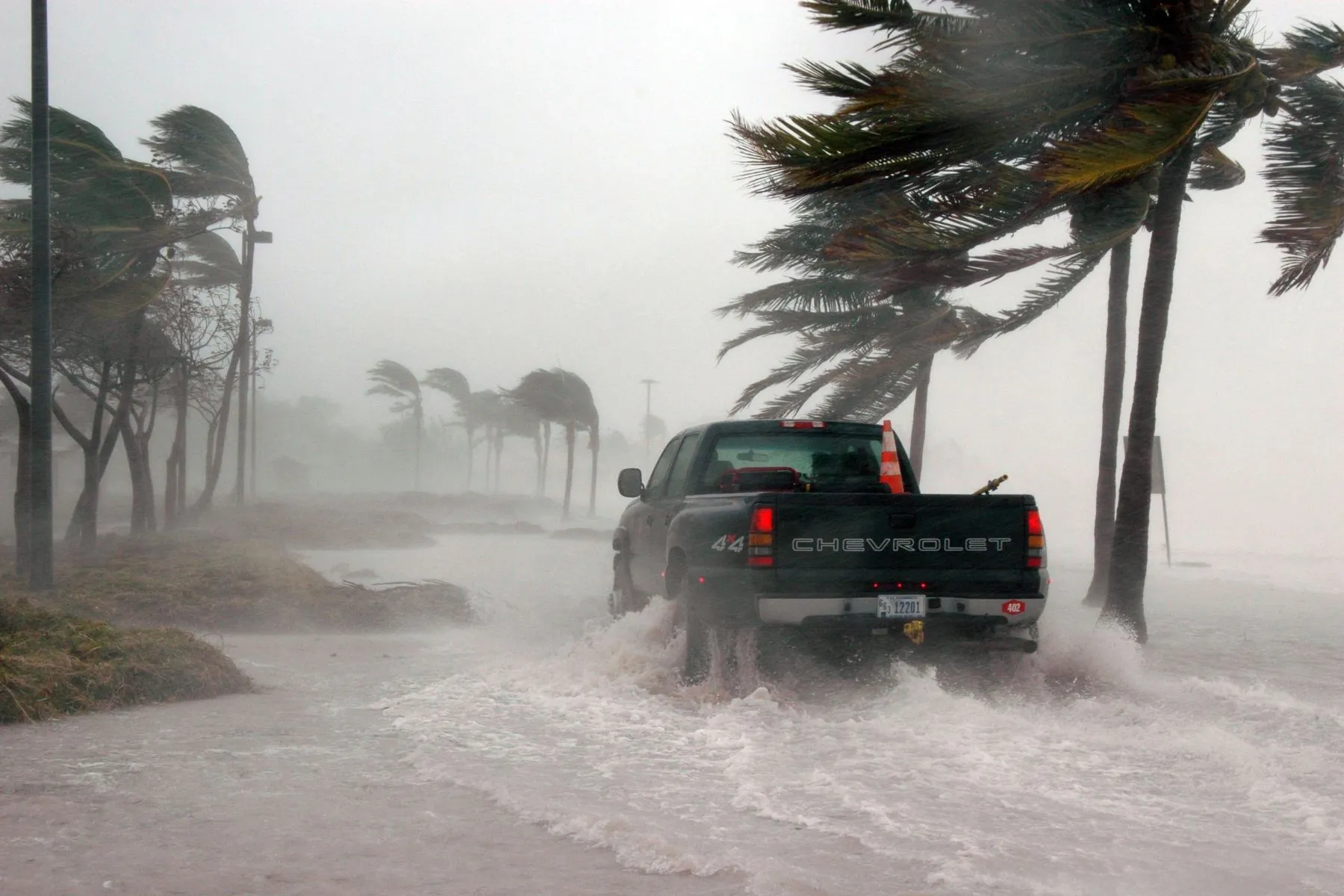
Not every coastal flood comes from a storm
Some of the highest water levels of the year show up on a clear, calm day, driven entirely by the tide itself.
These are king tides, and they cluster heavily in September and October along Florida and the Carolina coast. No rain required.
What Actually Causes a King Tide
A king tide happens when the sun, moon, and Earth line up in a way that maximizes gravitational pull on the ocean. It's strongest when a new or full moon coincides with the moon's closest approach to Earth in its orbit.
Late summer and early fall bring several of these alignments close together. Add the fact that sea levels are already seasonally higher from months of warm water expansion, and September becomes one of the year's most reliable stretches for king tide flooding.
Why September Timing Makes It Worse
Warm water takes up more volume than cold water, so ocean levels run a few inches higher in late summer than in winter. That baseline boost stacks directly on top of the tide's own peak.
The result is a tide that floods low-lying streets and yards even without a drop of rain falling. Storm drains built to handle normal tidal flow can back up simply because the ocean itself is sitting higher than the pipe outlet.
Where King Tide Flooding Shows Up First
- Storm drains flowing backward instead of draining forward
- Standing water in low-lying yards and streets during high tide, even on sunny days
- Saltwater intrusion into low-elevation crawl spaces and basements
- Septic systems and drain fields struggling to function during peak tide
- Erosion accelerating along seawalls and shorelines already under stress
The Difference Between a King Tide & Storm Surge
Storm surge is sudden and tied to a specific weather event. A king tide is predictable, recurring, and often happens on a forecast's clearest days.
That predictability is actually useful. Tide charts show exactly when the highest water levels will hit weeks in advance, giving homeowners a real window to prepare rather than react.
Preparing a Property for King Tide Season
Checking a local tide chart for the month's highest predicted tides is the first step. Clearing storm drains and check valves near the property reduces backup risk during peak tide windows.
Homeowners with a history of saltwater intrusion should have sump pumps and check valves inspected before the next round of king tides arrives, not after water is already inside.
What Repeated Saltwater Exposure Does to a Home
Saltwater is more corrosive than fresh water and causes damage that regular flooding doesn't. Metal fixtures, electrical connections, and HVAC components exposed to saltwater intrusion degrade faster and often need replacement rather than drying out.
Our water damage restoration teams treat saltwater intrusion differently for exactly this reason, checking for corrosion risk beyond the visible water line.
King Tide Flooding Across Florida & Coastal Carolina
King tide season affects the entire Southeast coastline, though the specific streets and neighborhoods that flood first vary by elevation and drainage.
Florida
Florida's low elevation and extensive tidal waterways make it one of the most exposed states in the country to king tide flooding. Our teams respond to king tide flooding across the state every fall.
Florida Branches
- Miami
- Naples/Fort Myers
- Tampa Bay
- West Palm Beach
- Emerald Coast
Florida Service Areas
Coastal Carolina
The Carolina coastline sees the same seasonal tidal pattern as Florida, with low-lying streets and older drainage systems especially prone to backup during peak tide windows. Our teams support homeowners managing king tide flooding each September and October.
Carolina Branches
- Coastal Carolina
- Charleston
Carolina Service Areas
Don't Wait for a Storm to Take Tidal Flooding Seriously
A king tide doesn't need a hurricane behind it to cause real damage to a home. Contact 911 Restoration for a 24/7 assessment from a local, IICRC-certified crew that understands how saltwater intrusion affects Florida and Carolina homes, storm or no storm.