What Happens After Property Damage
When a property experiences significant damage from water, fire, storms, or mold, many owners focus on the immediate cleanup process. However, restoration is often just the beginning of the recovery journey.
Understanding what happens after emergency mitigation can help homeowners and business owners know what to expect, make informed decisions, and prepare for the next phase of recovery. From initial damage assessment to final repairs, each step plays an important role in restoring a property to its pre-loss condition.
What Happens Immediately After Property Damage?
The first priority after a disaster is preventing additional damage and making the property safe.
Emergency Mitigation
- Water extraction
- Board-up services
- Roof tarping
- Smoke and soot removal
- Structural drying
- Mold containment
Damage Assessment
- Restoration professionals assess the full extent of the damage once the property is stabilized
- Evaluation helps determine what materials can be salvaged
- Identifies what may need to be repaired or replaced
Restoration Focuses on Cleaning, Drying, and Repairing
Water Damage Restoration
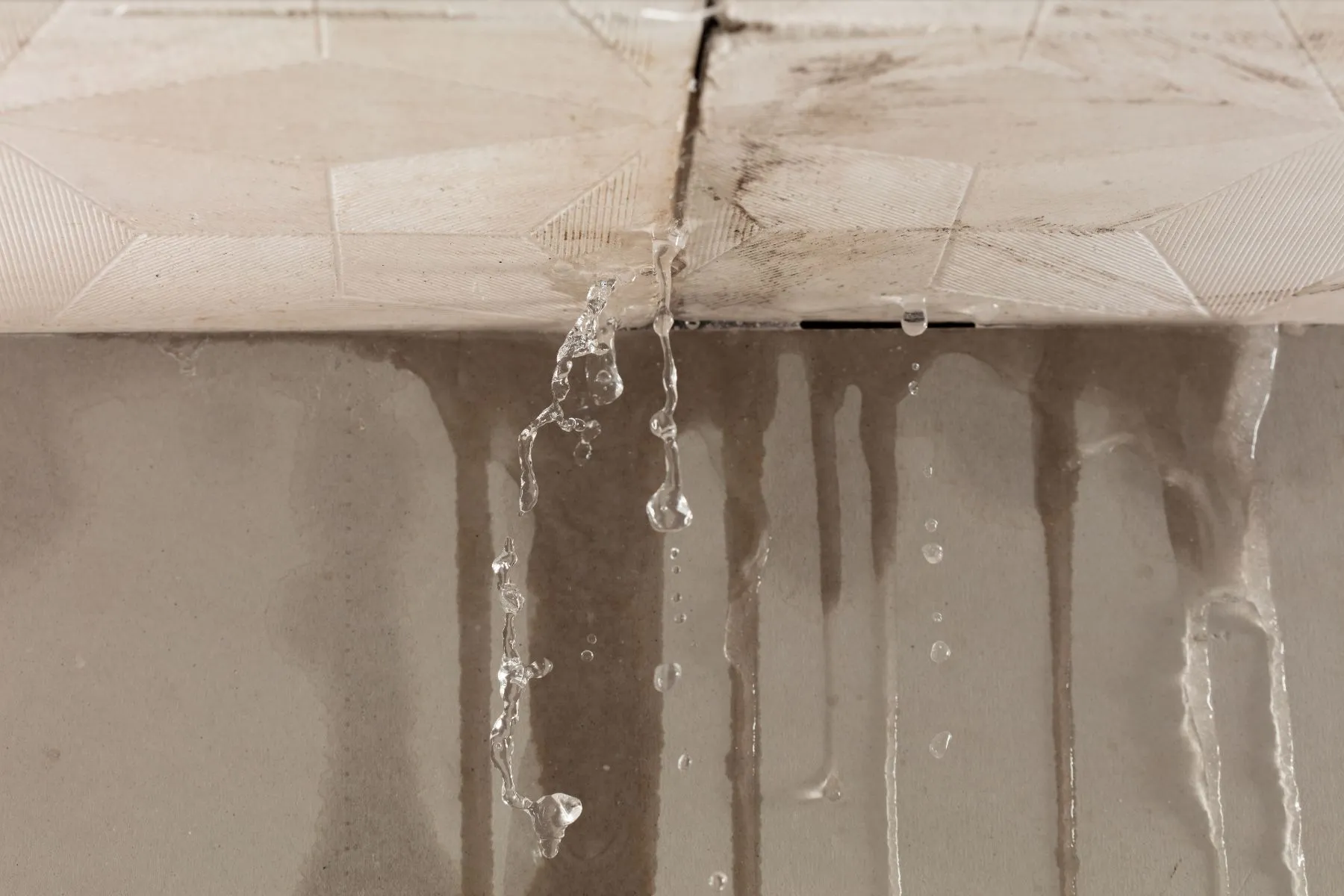
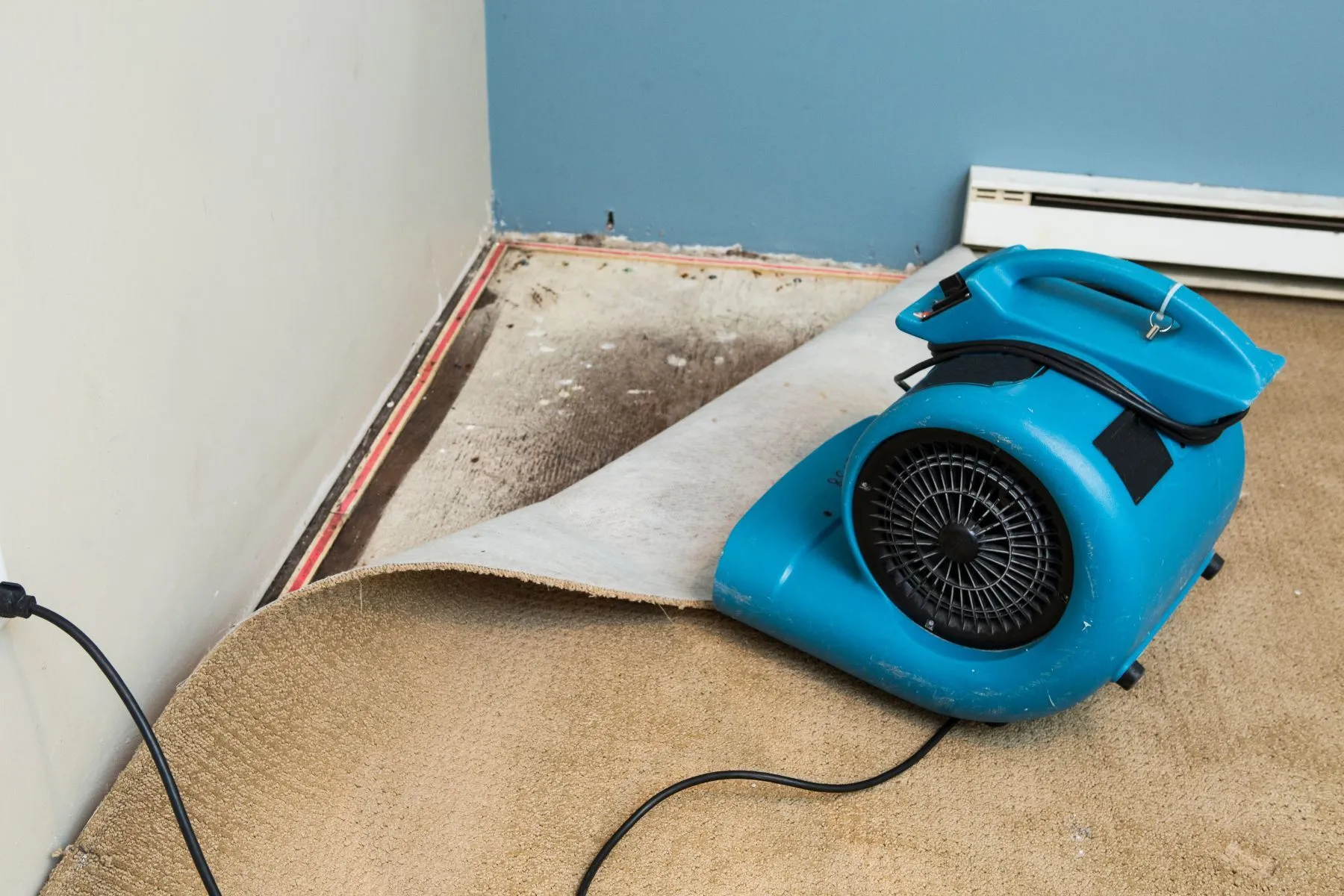
For water-related losses, restoration may involve moisture detection, drying equipment, dehumidification, and the removal of damaged materials.
Fire and Smoke Damage Restoration
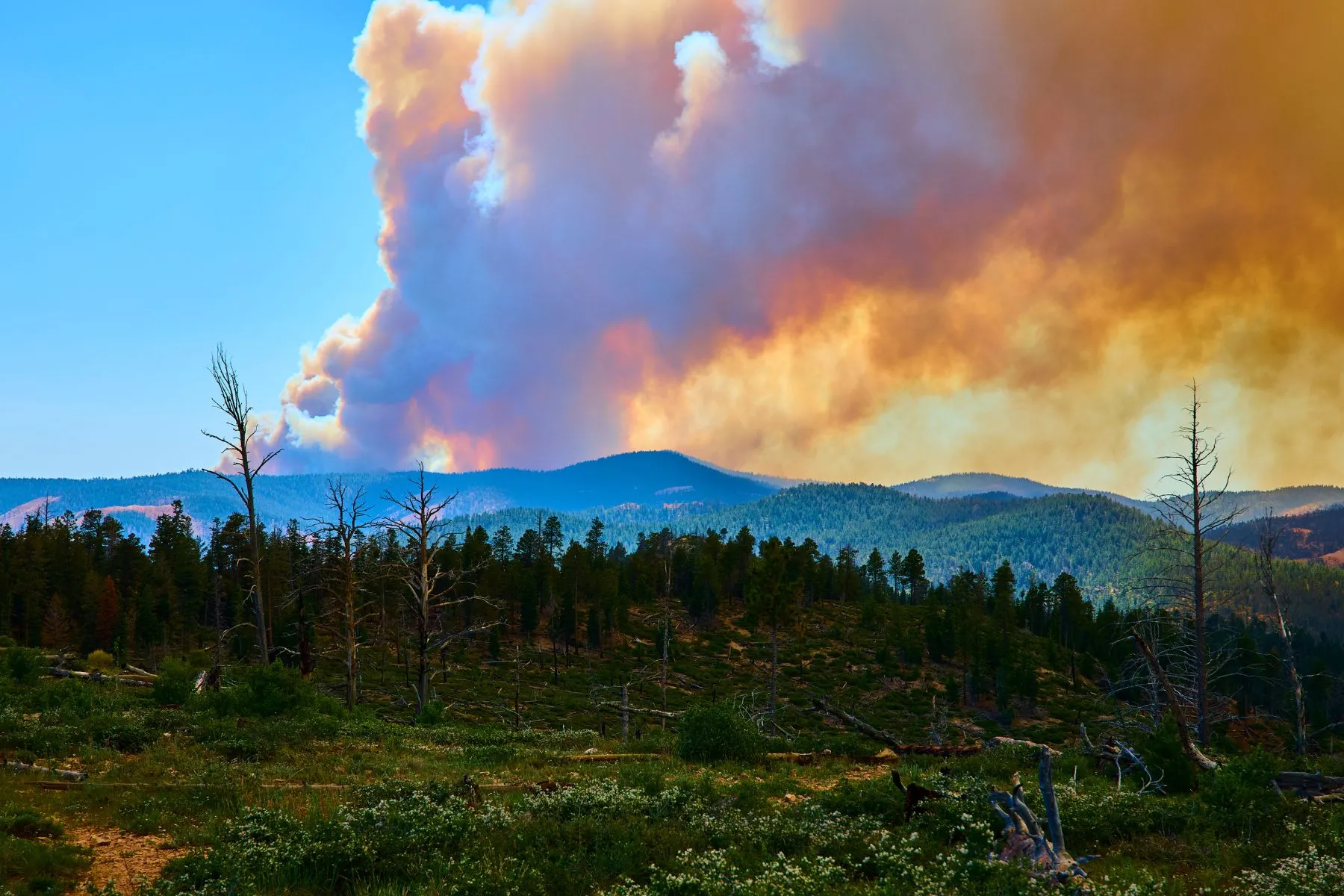
After a fire, restoration teams work to remove soot, eliminate odors, clean surfaces, and address smoke-related damage throughout the property.
Mold Remediation
If mold is present, affected materials may need to be removed and treated to help restore a healthy indoor environment.
When Does Reconstruction Begin?
Not every property damage event requires reconstruction. However, significant losses often involve repairs that go beyond mitigation and restoration.
Structural Damage & Material Replacement
- Walls, ceilings, flooring, roofing systems, and other structural components may need to be rebuilt after severe damage
- Some materials cannot be fully restored and must be replaced — drywall, flooring, cabinets, insulation, and roofing materials
Cosmetic Repairs
- Once structural repairs are complete, reconstruction may include painting
- Trim work
- Other finishing touches that restore the property's appearance
Common Situations That Require Reconstruction
Major Water Damage
Extensive flooding can damage structural materials and require significant repairs after the drying process is complete.
Fire Damage
Fires often affect both structural and cosmetic elements of a property, making reconstruction a critical part of recovery.
Storm Damage
High winds, fallen trees, hail, and flooding can cause damage that requires both restoration and rebuilding services.
Mold Damage
In severe cases, mold remediation may require the removal and replacement of walls, flooring, or other building materials.
Why a Seamless Restoration and Reconstruction Process Matters
Better Communication
Working with one team throughout the recovery process helps improve communication and coordination.
Faster Project Completion
When restoration and reconstruction services are managed together, projects can often move forward more efficiently.
Consistent Quality
A single provider can help ensure repairs are completed according to the original restoration plan and project goals.
How 911 Restoration Supports the Entire Recovery Process
Emergency Response and Mitigation
911 Restoration provides rapid response services to help stabilize properties after water, fire, mold, or storm damage.
Restoration Services
Our teams work to clean, dry, and restore affected areas while identifying hidden damage that may require additional attention.
Reconstruction Services
When rebuilding is necessary, 911 Restoration can help manage the reconstruction process and restore damaged areas to their pre-loss condition. By offering both restoration and reconstruction services, we simplify the recovery experience and reduce the need for multiple contractors.
Rebuild With Confidence With 911 Restoration
Has your home or business experienced water, fire, mold, or storm damage? Contact 911 Restoration for comprehensive restoration and reconstruction services designed to help you recover as quickly and efficiently as possible.