Desert Monsoon Flooding: Fast to Flood, Slow to Dry
A desert home can take on water in minutes and still be wet three weeks later. That contradiction is the whole story of monsoon season across Arizona, New Mexico, southern Nevada, and West Texas. The ground can't absorb the rain fast enough to stop a flood, and the air can't help the house dry out once the water's inside.
Why Desert Soil Causes Flash Flooding During Monsoon Storms
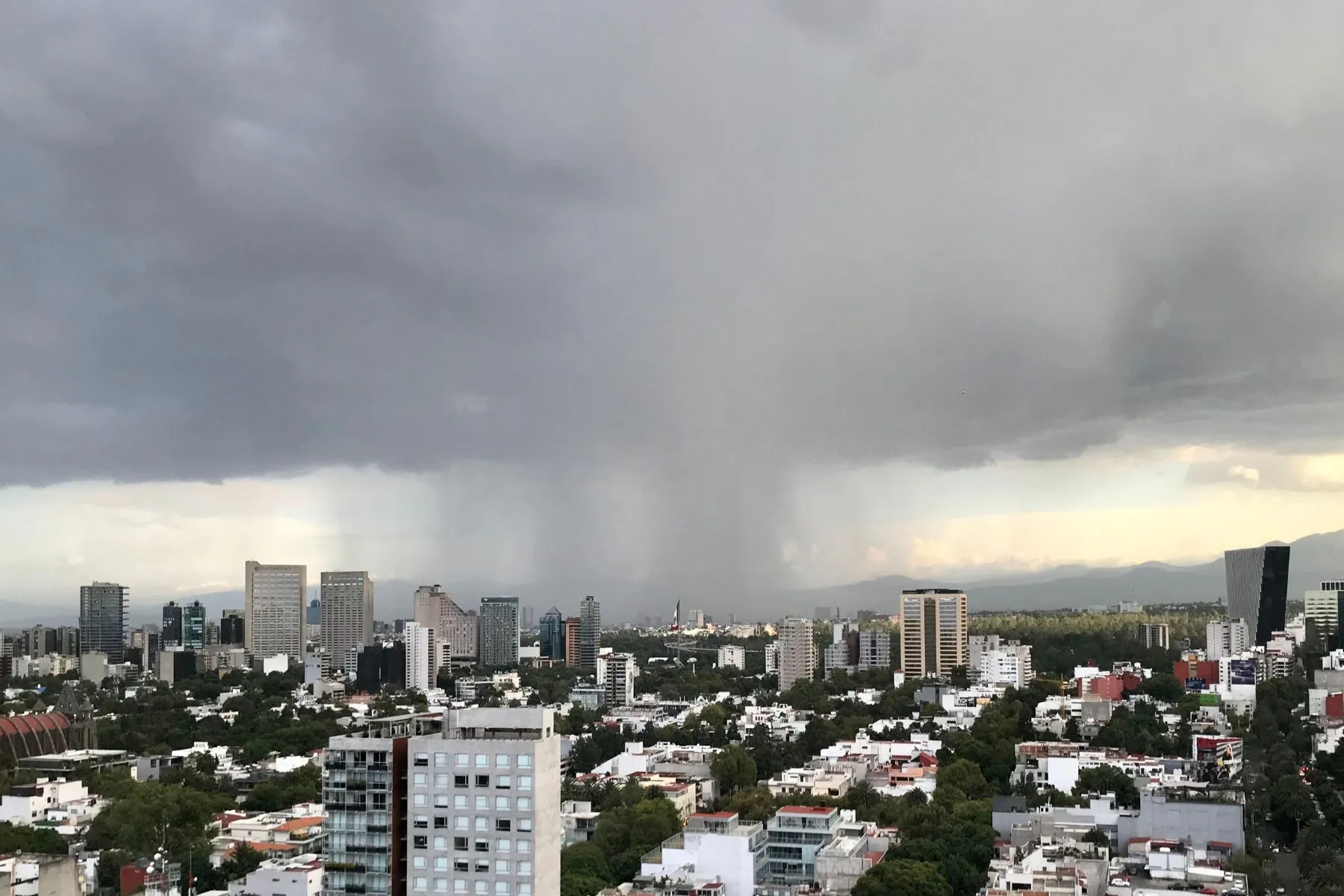
Desert soil is often compacted clay or caliche, a hardpan layer that barely lets water through. When a monsoon cell drops an inch of rain in twenty minutes, most of it never soaks in. It runs.
Compacted Clay & Caliche Block Water Absorption
- That runoff moves across sun-baked ground, down washes and arroyos, and straight into low-lying yards, garages, and window wells.
- Homes near a wash or at the bottom of a slope take the worst of it, but flat desert lots aren't exempt either.
- Without natural drainage, water pools against foundations and finds its way in through weep holes, garage door seals, and slab cracks that never mattered in dry weather.
Storm Drains Built for Light Rainfall Can't Handle Monsoon Bursts
- Storm drains built for the region's normal light rainfall get overwhelmed fast during a monsoon burst.
- Streets flood before city systems can move the water anywhere.
- Some of that street water ends up in driveways and crawl spaces within the same hour the storm rolled in.
Why Monsoon Flood Water Doesn't Dry Out on Its Own
Here's the part homeowners don't expect. Desert air is dry, but a flooded room isn't drying in desert air. It's drying in trapped, humid air inside walls, under flooring, and behind baseboards, and that air doesn't move on its own.
Monsoon Humidity Traps Moisture Instead of Pulling It Out
- Monsoon humidity spikes during storm season too.
- The dew point climbs, and the outside air that would normally pull moisture out of a building is holding onto its own moisture instead.
- Open a window during monsoon season and you're not helping.
Adobe, Block, & Stucco Hold Water Longer Than Wood Frame
- Adobe, block, and stucco construction, common throughout the Southwest, holds water differently than wood-frame homes in wetter climates.
- These materials are dense and slow to release moisture once saturated, which means a wall that looks dry on the surface can still be wet three or four inches in.
The Flood-to-Mold Timeline Homeowners Don't See Coming
The Flood
The flood itself is often over in under an hour, and the damage assessment looks manageable.
The Slow Drying Phase
The slow drying phase starts next. Structural drying in this climate frequently takes longer than in a humid region, because trapped moisture has nowhere efficient to go without mechanical intervention.
Weeks Later
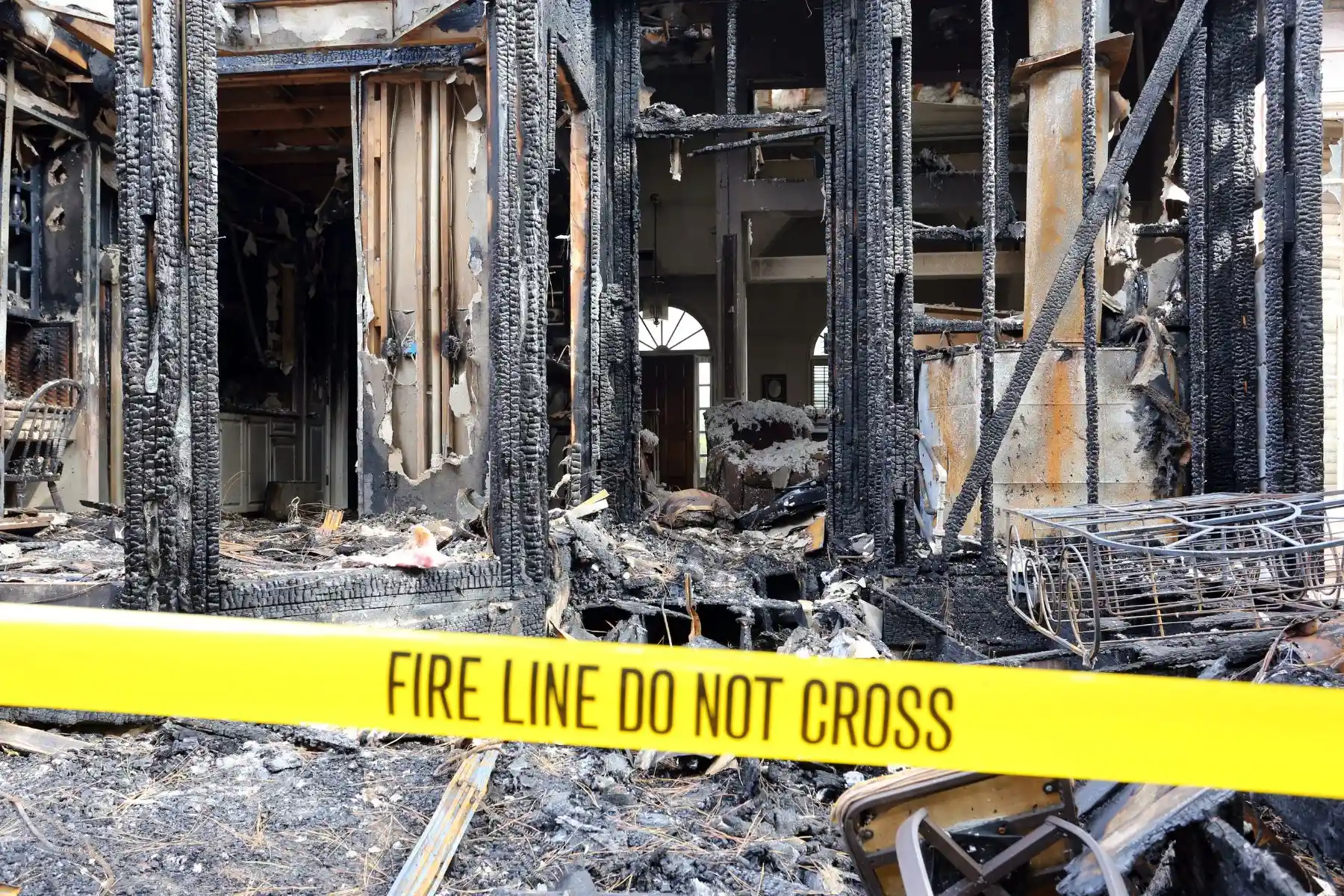
Homeowners who waited it out with fans and open windows often find the same damp spot, now with a mold problem layered on top of the original flood.
Monsoon Flood Damage by Metro: Mesa, Phoenix, & Las Vegas
The monsoon belt isn't uniform. Some metro areas see it worse than others, and the fix depends on knowing the local terrain.
Mesa & the East Valley: Wash-Fed Flash Flooding
Across Mesa and the East Valley, monsoon storms move through wash-heavy terrain that channels runoff straight into residential neighborhoods, and haboob dust storms that precede the rain can clog gutters and drains before the water even starts falling. 911 Restoration of Mesa handles this pattern regularly across Mesa, Gilbert, Chandler, Tempe, Scottsdale, and Queen Creek.
Learn more →West Valley Phoenix: Monsoon Flooding and HVAC Failure
On the far side of the valley, the outer West Valley communities deal with a similar setup, plus HVAC condensate failures during the extreme cooling season that compound water intrusion when a monsoon storm hits a system already under strain. 911 Restoration of West Valley / Phoenix covers Surprise, Goodyear, Avondale, Buckeye, Tolleson, and the surrounding Maricopa County communities.
Learn more →North Las Vegas: Runoff from the Surrounding Mountains
Southern Nevada gets its own version of monsoon flash flooding, with North Las Vegas and the surrounding valley catching runoff from the surrounding mountains during summer storm cells. 911 Restoration of Las Vegas works these calls throughout the North Las Vegas area and the wider valley.
Learn more →What to Do in the First 24 Hours After a Desert Flood
- Speed matters more in desert flooding than most homeowners assume, precisely because the slow drying phase is already working against you.
- Shut off power to any affected room before wading in
- Move furniture and belongings off wet flooring immediately, since desert-climate flooring materials like laminate and certain tile adhesives can start lifting within hours
- Photograph everything before you touch it, for insurance purposes
- Get air moving, but understand that box fans and open windows won't be enough on their own once the humidity spike from the storm settles in
Professional water extraction and structural drying equipment pulls moisture out of walls and subfloors at a rate a homeowner's setup can't match. That gap is exactly what turns a one-day flood into a three-week mold problem.
911 Restoration: 24/7 Monsoon Flood Response Across the Southwest
Monsoon flooding doesn't wait for business hours, and neither should the response. 911 Restoration crews across the Southwest monsoon belt are IICRC-certified and equipped to start water extraction and structural drying the same day a storm hits, with direct insurance billing so homeowners aren't fronting the cost while they wait on a claim.