Is Mold Covered by Homeowners Insurance?
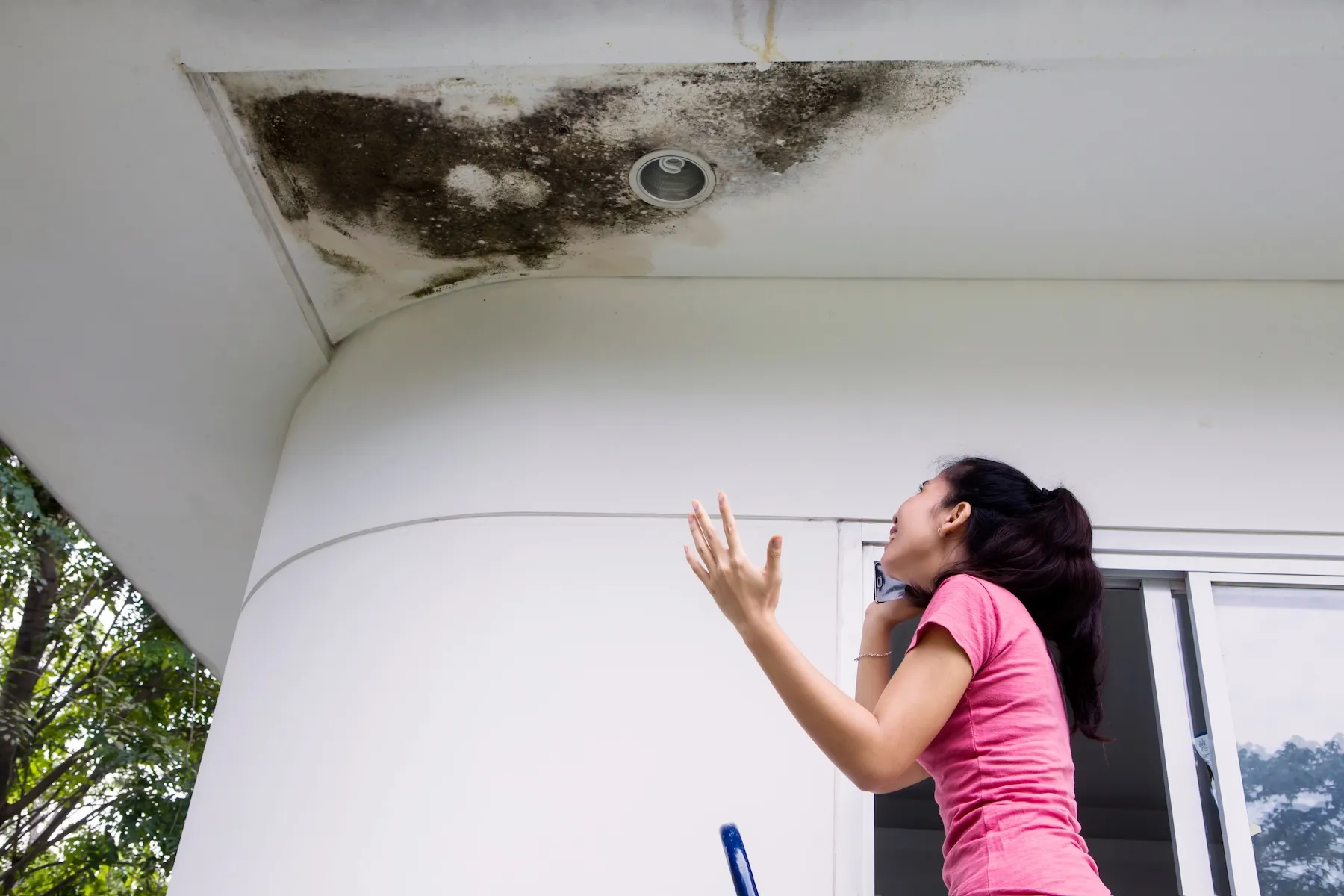
Mold damage can be costly, frustrating, and sometimes hazardous to your health. If you discover mold in your home, one of the first questions you may ask is: Is mold covered by homeowners insurance?
The answer is not always straightforward. Coverage depends on the cause of the mold, your specific policy, and how quickly the issue was addressed. In this guide, we break down everything property owners need to know about mold insurance coverage, what is typically included, and when you may need professional mold remediation.
Does Homeowners Insurance Cover Mold Damage?
In many cases, homeowners insurance will cover mold damage, but only under specific circumstances.
Mold is usually covered if it is caused by a sudden and accidental event. In these situations, mold is considered a result of a covered peril, so remediation may be included in your claim.
Typically Covered Causes
- A burst pipe
- Water damage from a broken appliance
- Firefighting efforts after a fire
- Sudden roof leaks caused by storms
When Mold Is Not Covered by Homeowners Insurance
Unfortunately, mold is often not covered if it results from preventable or long-term issues. Insurance companies typically deny claims when mold develops over time rather than from a sudden event.
Common Mold Damage Exclusions
- Ongoing leaks that were not repaired
- High humidity or poor ventilation
- Flooding (unless you have separate flood insurance)
- Lack of maintenance or neglect
Understanding Mold Insurance Policy Limits & Coverage Caps
- Coverage caps often range from $1,000 to $10,000
- Some policies offer additional mold riders or endorsements
- Deductibles still apply
How to File a Mold Damage Insurance Claim
Document the Source
Document the source of water damage.
Take Photos
Take photos of affected areas.
Contact Your Insurer
Contact your insurance provider immediately.
Hold Off on Repairs
Avoid making major repairs before inspection.
Work With a Pro
Work with a professional restoration company. Proper documentation and quick action are key when filing a claim.
Why Mold Develops After Water Damage
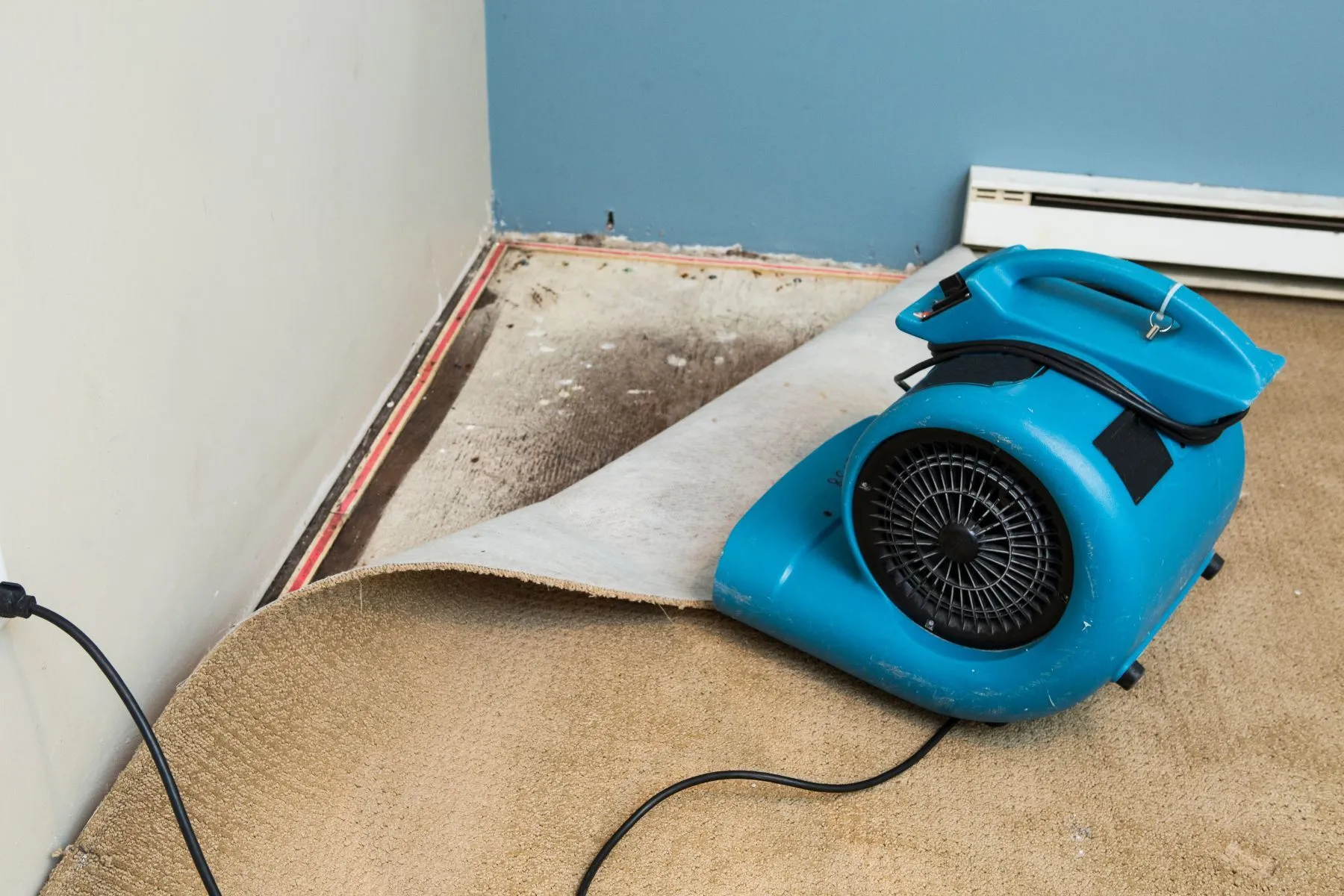
Mold thrives in moist environments and can begin growing quickly after water exposure.
How Fast Mold Can Grow in Your Home
- Mold can start forming within 24 to 48 hours
- Warm, humid environments accelerate growth
- Hidden moisture behind walls increases risk
Professional Mold Remediation vs. DIY Cleanup
While small areas of mold may seem manageable, larger infestations require professional treatment. Professional mold remediation ensures the problem is fully addressed and prevents future issues.
Risks of DIY Mold Removal
- Incomplete removal leading to regrowth
- Exposure to harmful spores
- Spreading contamination to other areas
How 911 Restoration Handles Mold Remediation Quickly & Safely
Moisture Detection
Moisture detection and source identification to pinpoint the problem.
Containment
Containment to prevent cross-contamination during the work.
Safe Removal
Safe removal of mold-infested materials from your property.
Air Filtration
Air filtration and purification to clean the environment.
Preventative Treatment
Preventative treatments to reduce recurrence and protect your property and health.
Tips to Prevent Mold & Avoid Insurance Issues
- Fix leaks as soon as they are discovered
- Use dehumidifiers in high-moisture areas
- Ensure proper ventilation in bathrooms and kitchens
- Schedule routine property inspections
What Every Property Owner Should Know About Mold Insurance Coverage
Understanding your homeowners insurance policy is essential when it comes to mold damage. Coverage often depends on the cause, timing, and how well the property has been maintained.
If mold results from a sudden event, you may be covered. If it develops over time, it is more likely to be excluded. Knowing the difference can help you make informed decisions and act quickly when issues arise.
Get Expert Help With Mold Damage & Restoration
Have you discovered mold in your home? Do not wait. 911 Restoration offers professional mold remediation and water damage restoration services to help property owners recover safely and efficiently. From inspection to cleanup, our team is here to guide you every step of the way.