Monsoon season in the Southwest is supposed to wind down by September. Some years, it does the opposite
Late-season monsoon moisture can surge right before the pattern finally breaks, and that final push often brings the heaviest rain totals of the entire season. For homeowners across Arizona, New Mexico, southern Nevada, and West Texas, September deserves the same attention as July.
Why Late-Season Monsoon Storms Hit Harder
Desert soil doesn't absorb water the way soil in wetter climates does. Months of summer heat bake the ground into a surface that sheds rain almost instantly, especially where drought has hardened the topsoil further.
A storm that would soak into the ground elsewhere in the country runs straight off the surface here. That runoff has nowhere to go but downhill, fast.
How Flash Floods Form in Minutes, Not Hours
Desert terrain concentrates runoff into washes and arroyos that can stay bone dry for months. A storm miles away can send a wall of water through one of these channels with almost no warning at the point of impact.
This is why flash flood watches in the Southwest come with urgent language. The gap between a storm cell forming and a dry wash turning into a fast-moving flood can be as short as 20 to 30 minutes.
Warning Signs of Flash Flood Risk
- A sudden change in water color or clarity in a normally dry wash
- A rumbling sound upstream, even under a clear sky nearby
- Rapidly building storm clouds over nearby mountains, even miles from home
- Debris or unusual objects floating in typically dry channels
- Official flash flood warnings for the watershed, not just the immediate area
Home Vulnerabilities During Late-Season Monsoon Storms
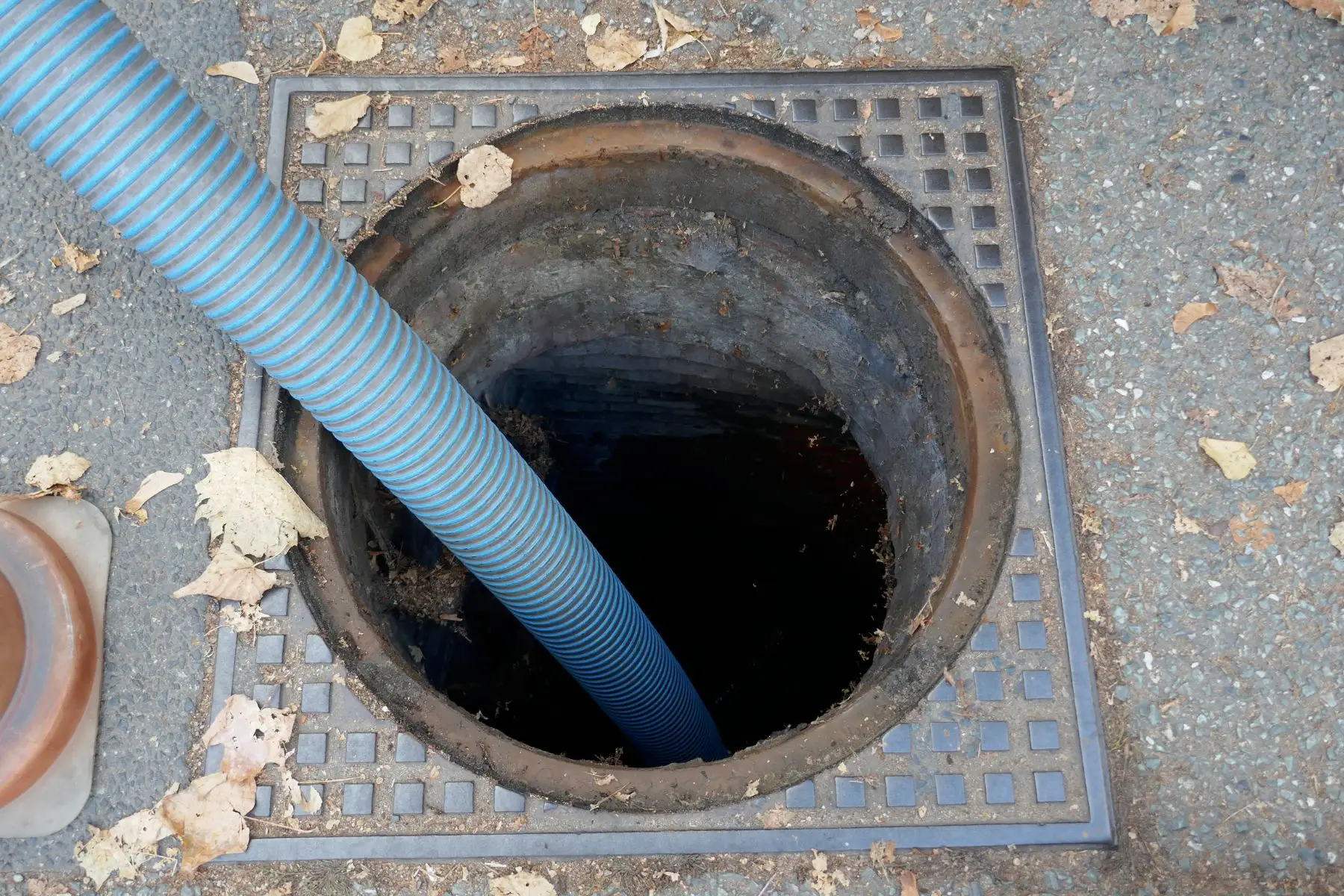
Homes near a wash, arroyo, or drainage channel face the most direct risk, but flooding isn't limited to properties right on the water's path. Poor grading, undersized drainage, and roofs still shedding summer dust and debris all contribute to water finding its way inside.
Flat desert roofs, common throughout the region, are especially vulnerable to ponding when drains clog with dust, leaves, or monsoon debris.
Preparing for the Monsoon's Final Weeks
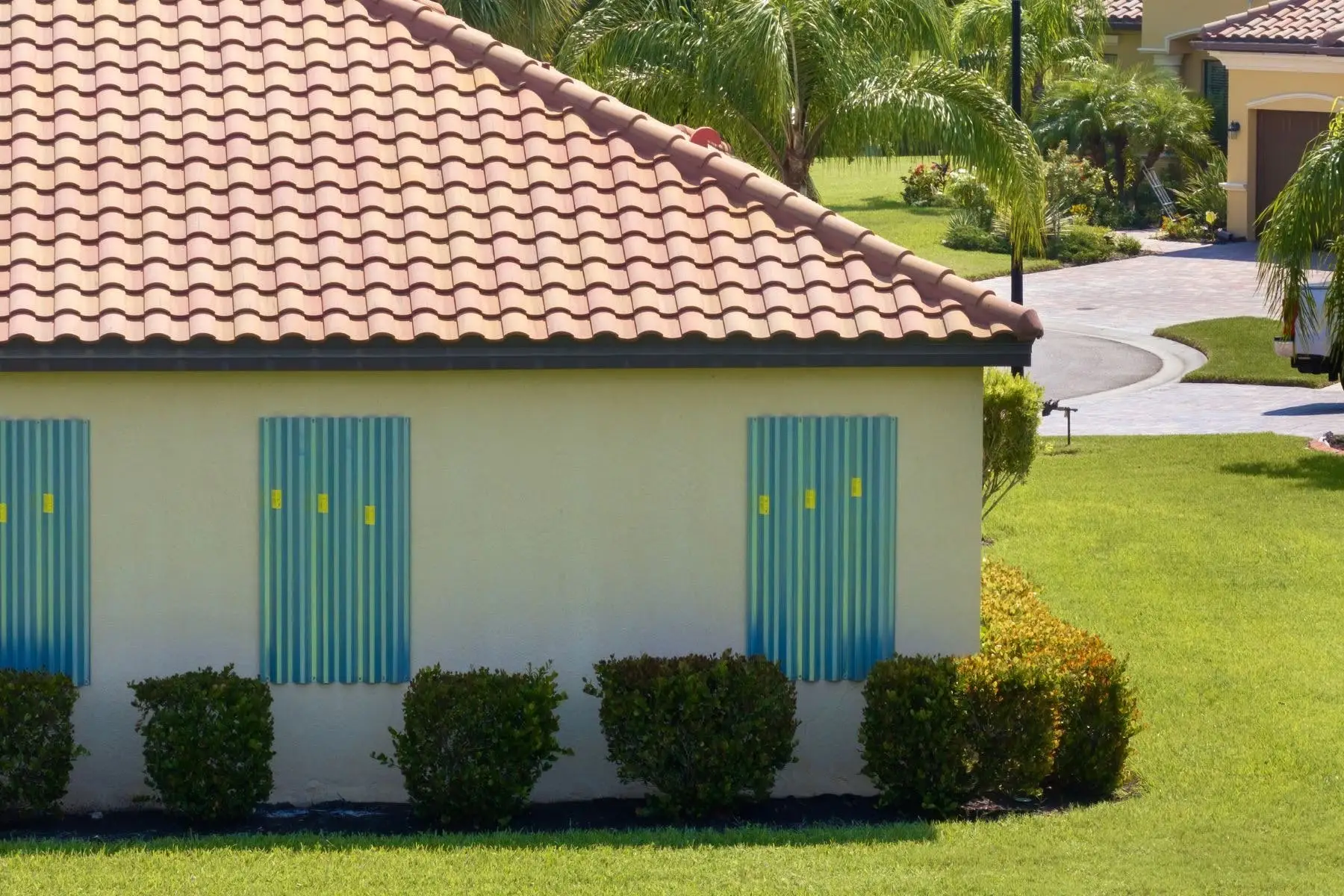
A few steps make a real difference before the pattern finally breaks: clear roof drains and gutters of summer dust and debris, check grading around the foundation for proper runoff, and know whether the property sits near a wash or floodplain.
Sandbags and flood barriers are worth having on hand for homes near known flood-prone channels, even this late in the season.
What Happens After a Flash Flood Hits a Home
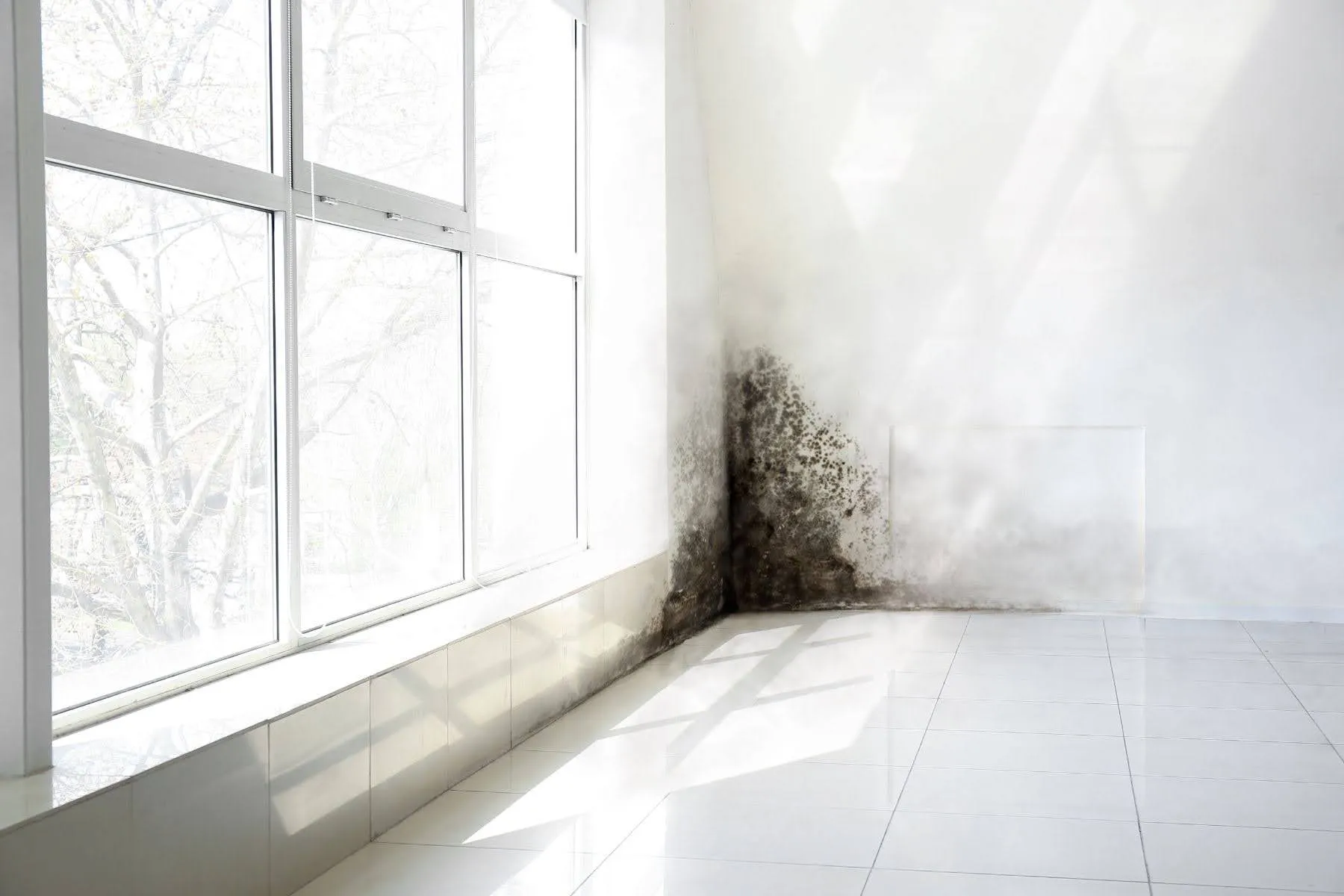
Desert flash flood water often carries heavy sediment, debris, and contamination picked up from the wash it traveled through. That makes cleanup different from a typical rainstorm flood, since materials need assessment for both water damage and the grit and silt left behind.
Our water damage restoration teams handle both, extracting water and clearing the sediment that desert flooding leaves behind.
Monsoon Flash Flood Risk Across the Southwest
Late-season monsoon risk touches the whole region, though branch coverage varies by state right now.
Arizona
Arizona sees the heaviest and most consistent monsoon activity in the Southwest, with the Phoenix metro area especially prone to flash flooding from storms that form over the surrounding mountains. Our teams in Mesa and West Valley/Phoenix respond to flash flood damage throughout the valley each monsoon season.
Learn more →Southern Nevada
The Las Vegas area sees its own version of late-season monsoon risk, with flash floods moving through the valley's washes during the pattern's final weeks. Our teams in Las Vegas and Southern Nevada/SW Las Vegas support homeowners across the region through monsoon season's last push.
Learn more →New Mexico & West Texas
Homeowners across New Mexico and West Texas face the same late-season flash flood risk as their neighbors to the west, even without a dedicated 911 Restoration branch nearby yet. The desert terrain and monsoon timing that drive flash flood risk don't change at the state line.
Don't Let Your Guard Down Before the Monsoon Breaks
September can bring the monsoon's hardest hit before the pattern finally clears out for the year. Contact 911 Restoration for a 24/7 assessment from a local, IICRC-certified crew that knows how quickly desert flash flooding can turn a dry wash into a serious home repair.