How to Prepare Your Home Before Hurricane Season
Hurricane season runs from June through November, but the real risk window tightens every August through October, when storms tend to form faster and hit harder. Waiting until a storm is already tracking toward your coastline leaves too little time to protect your home properly. A little preparation now can mean the difference between a minor cleanup and a total loss.
Here is what every homeowner in a hurricane-prone area should do before the next storm arrives.
Get Your Documents & Insurance in Order
Most homeowners do not read their insurance policy closely until they are filing a claim, and by then it is too late to fix a coverage gap. Pull your policy now and confirm what is and is not covered. Standard homeowners insurance typically covers wind damage, but flood damage from storm surge or heavy rainfall usually requires a separate flood policy through the National Flood Insurance Program or a private carrier.
Walk through your home and take photos or video of every room, along with your roof, siding, and any high-value items. Store these files somewhere other than your home computer, such as a cloud drive or a phone backed up off-site. If a claim becomes necessary later, this documentation makes the process faster and helps prevent disputes over what existed before the storm.
Review Your Policy Before You Need It
- Confirm what is and is not covered
- Standard homeowners insurance typically covers wind damage
- Flood damage usually requires a separate flood policy through the NFIP or a private carrier
Document Your Home Before the Storm
- Photograph or video every room, roof, siding, and high-value items
- Store files off-site — a cloud drive or backed-up phone
- Documentation speeds up claims and prevents disputes
Prepare the Exterior of Your Home
Loose objects turn into projectiles in hurricane-force winds. Secure or bring inside anything that could blow around, including patio furniture, grills, planters, and toys. Trim dead or overhanging tree branches well before storm season, since falling limbs are one of the most common causes of roof and window damage. If your home has hurricane shutters or plywood cut to fit your windows, confirm they are ready to install quickly rather than discovering a missing piece the night before landfall.
Clear gutters and downspouts so rainfall has somewhere to go. A clogged gutter system during a tropical storm can send water straight into your roofline and walls instead of away from your foundation.
Secure the Grounds
- Bring in or secure patio furniture, grills, planters, and toys
- Trim dead or overhanging tree branches before storm season
- Confirm hurricane shutters or fitted plywood are ready to install
Protect Water Flow
- Clear gutters and downspouts so rainfall has somewhere to go
- Direct water away from your roofline, walls, and foundation
Build an Emergency Supply Kit
- A three to seven day supply of water and non-perishable food
- Flashlights, batteries, and a battery-powered or hand-crank radio
- A first aid kit and any needed prescription medications
- Cash, since power outages can shut down card readers for days
- Copies of insurance documents and identification in a waterproof container
- Keep the kit somewhere accessible, and check expiration dates on food, water, and medications each spring before the season begins
Hurricane-Prone Regions We Serve
911 Restoration operates locally owned offices across the regions most exposed to hurricane and tropical storm activity, with crews who understand the specific risks in their own market.
Regional Coverage
Along the Gulf, our teams in New Orleans, Gulf Coast Mississippi, and the Houston area respond to storm surge, wind damage, and the flooding that often follows a slow-moving system off the Gulf.
Florida sees more direct hurricane landfalls than any other state, and our branches in Miami, Tampa Bay, Naples/Fort Myers, the Emerald Coast, and West Palm Beach are built around rapid response to wind, flood, and water intrusion damage.
Storms that track up the Atlantic coast affect our teams in Charleston, Coastal Carolina, and Hampton Roads/Virginia Beach, where storm surge and heavy rainfall are the most common causes of property damage.
Even storms that weaken before reaching the Northeast can still cause serious flooding and wind damage. Our South Shore NY and Jersey City teams have handled the aftermath of tropical systems that reached well past the Southeast.
If a Storm Damages Your Property, We're Ready
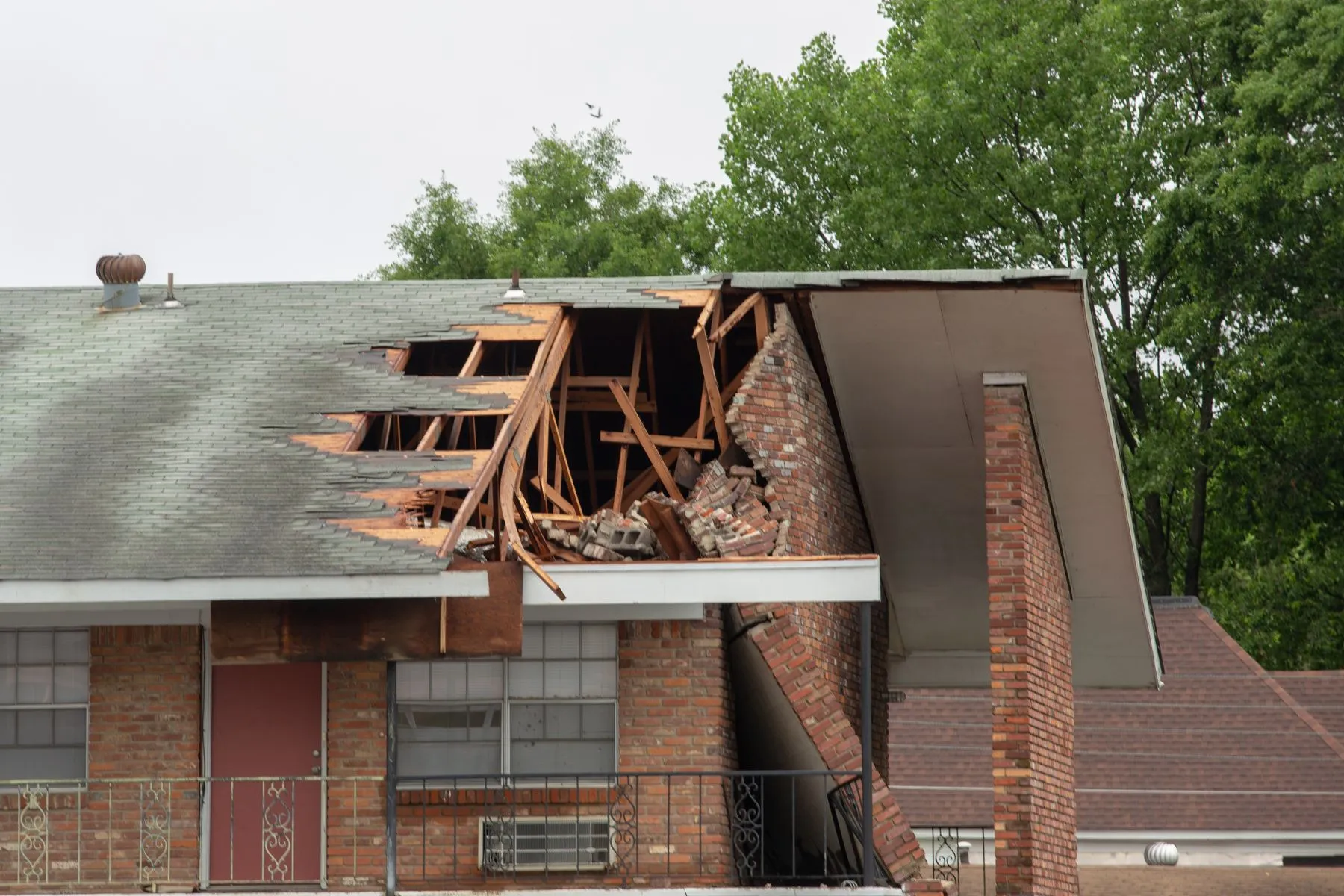
Preparation reduces risk, but it cannot eliminate it. If your home takes on wind, water, or flood damage during a hurricane, 911 Restoration's storm damage restoration team is available 24/7 to begin extraction, drying, and repairs as soon as it is safe to access your property. For water intrusion specifically, our water damage restoration services address both the immediate cleanup and the mold risk that follows if moisture is left untreated.
911 Restoration: Ready Before, During & After the Storm
Hurricane season does not wait for anyone to be fully ready, but the steps above put you in a far better position than most homeowners when a storm approaches. If disaster does strike, contact 911 Restoration for a 24/7 emergency response from a local, IICRC-certified crew near you.