Hurricane Isaias Damage: What to Do in the First 24 Hours
Hurricane Isaias made landfall near Destin, Florida, on October 9, 2026 as a Category 2 storm, according to the National Hurricane Center as reported by national news outlets. In its October 10 advisory, the National Hurricane Center said the remnants of Isaias would keep a flash flooding risk across the Southeast and the Southern Appalachians through the weekend, with strong wind gusts in higher terrain and a couple of tornadoes possible across eastern Georgia and the Carolinas.
If your home or business took damage, the first day matters most. Water that sits spreads into walls, floors and insulation, and the steps you take now protect both your property and your insurance claim. This guide covers what to do first, how wind and flood damage are treated differently, how to document everything, and how fast drying has to start.
Quick answer: Get safe first, stop more water from getting in if you can do it safely, photograph everything before you move it, call your insurer, and start drying within 24 to 48 hours. Call (866) 861-2563 any time to reach the 911 Restoration team nearest you.
What to Do in the First 24 Hours After the Storm
Make Sure Everyone Is Safe
Account for everyone in the home. If the structure looks unstable, the roof has opened up or water is near electrical panels, stay out until it has been checked.
Shut Off Power to Wet Areas
If you can reach the breaker panel without standing in water, turn off power to the flooded rooms. If you cannot reach it safely, leave it for a professional.
Stop More Water From Getting In
A tarp over a damaged roof section or plastic over a broken window keeps the next rain band out. Only do this from the ground or with safe access; our crews board up and tarp as part of emergency service.
Photograph Before You Move Anything
Take wide shots of every room, then close-ups of the damage, water lines on walls, and damaged belongings. Photos taken before cleanup are the strongest record for your claim.
Call Your Insurance Company
Report the claim early. Ask what your policy requires, whether it carries a separate hurricane deductible, and whether you should make temporary repairs before an adjuster visits.
Start Drying
Professional drying uses extraction, air movers and dehumidifiers, with moisture readings each day until the structure is dry. The sooner it starts, the less has to be torn out.
Wind Damage or Flood Damage: Why the Difference Matters
After a hurricane, insurers sort damage by what caused it, and the answer decides which policy pays.
Wind and Wind-Driven Rain
- Damage from wind, falling trees and rain that enters through a storm-damaged roof or window is generally covered by a standard homeowners or commercial property policy.
- Many coastal policies apply a separate hurricane deductible to this damage. Check your declarations page for the amount.
Rising Water and Storm Surge
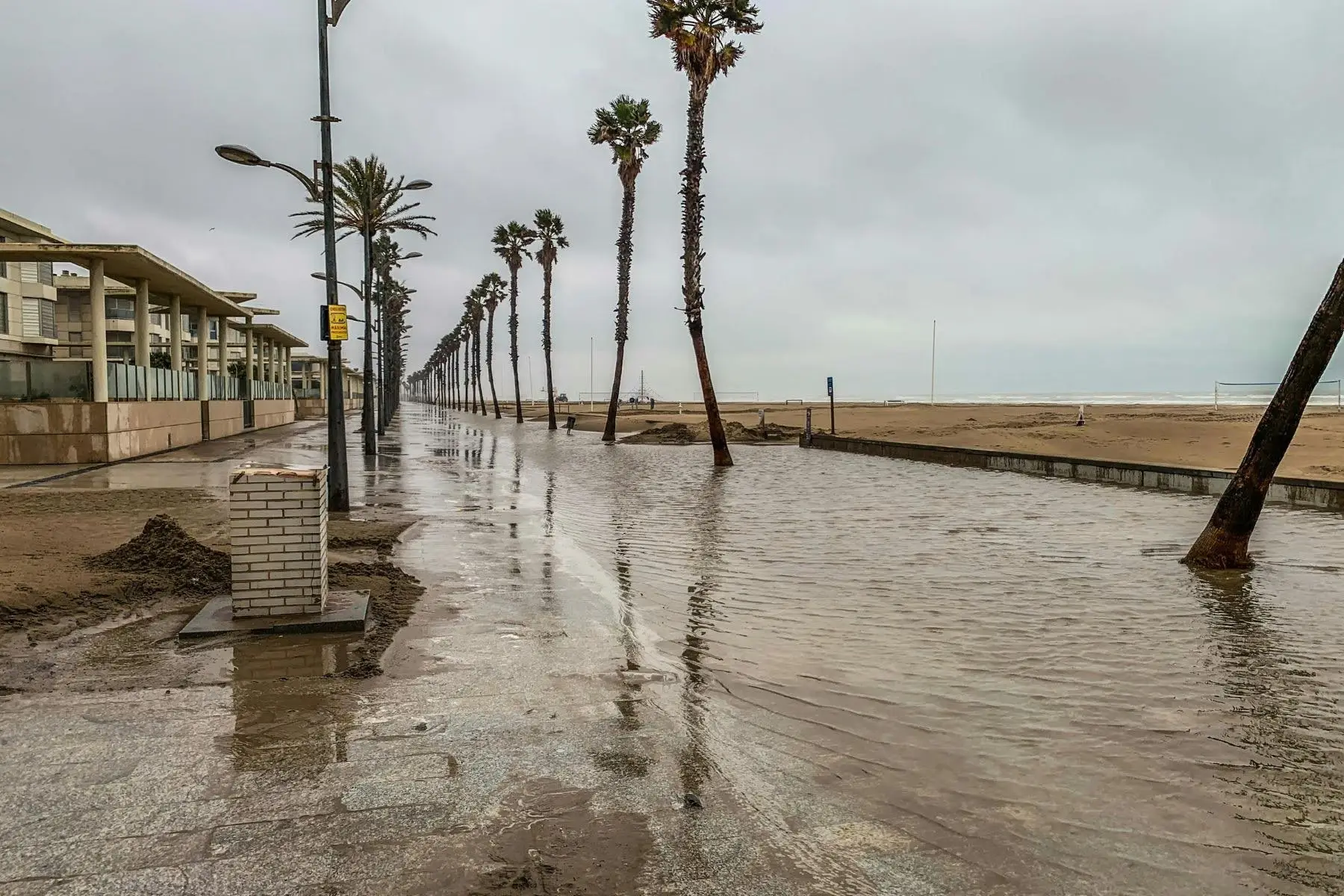
- Water that rises from the ground, an overflowing creek or river, or storm surge is flood damage. Standard homeowners policies generally exclude it.
- Flood damage is covered by a flood policy, either through the National Flood Insurance Program or a private flood insurer.
Many homes have both kinds of damage. Clear documentation of where the water came from and how high it rose helps each claim go to the right policy.
How to Document Storm Damage for Your Claim
- Photos and video of every affected room, outside walls, the roof and any fallen trees, taken before cleanup starts
- The highest water line inside the home, with a tape measure in the shot
- A list of damaged belongings with approximate age, and receipts where you have them
- Receipts for anything you spend to prevent more damage, such as tarps, pumps or a hotel stay
- Your claim number, the adjuster's name, and the date and time of every call
When Drying Has to Start Before Mold Sets In
The U.S. Environmental Protection Agency advises drying water-damaged areas and items within 24 to 48 hours to prevent mold growth. In late-season heat and humidity, that window matters even more.
What Can Usually Be Dried
- Framing, subfloors and many hard surfaces, when drying starts quickly and moisture is tracked daily
- Some carpet and padding after clean water, depending on how long it was wet
What Usually Has to Go
- Drywall, insulation and carpet that floodwater touched, since floodwater carries sewage and contaminants
- Anything that stayed wet long enough to grow mold
Our crews measure moisture inside walls and floors, not just on the surface, and keep drying until the readings reach the dry standard for each material.
If a Disaster Declaration Is Issued
When a federal disaster declaration covers your county, homeowners and renters can apply for assistance through FEMA at DisasterAssistance.gov. Keep your photos, receipts and insurance claim details handy, because the application asks for them.
911 Restoration Teams in Isaias's Path
These local teams cover the areas along and inland from the storm's track. Each one answers 24 hours a day.
Satellite image: NOAA/NESDIS STAR.
Storm Damage? Call 911 Restoration 24/7
Our local IICRC-certified crews tarp and board up, extract water, dry and document the damage for your insurance claim. Call (866) 861-2563 to reach the team nearest you.