Storm Damage in Florida Slab Homes: What to Check and How Restoration Works
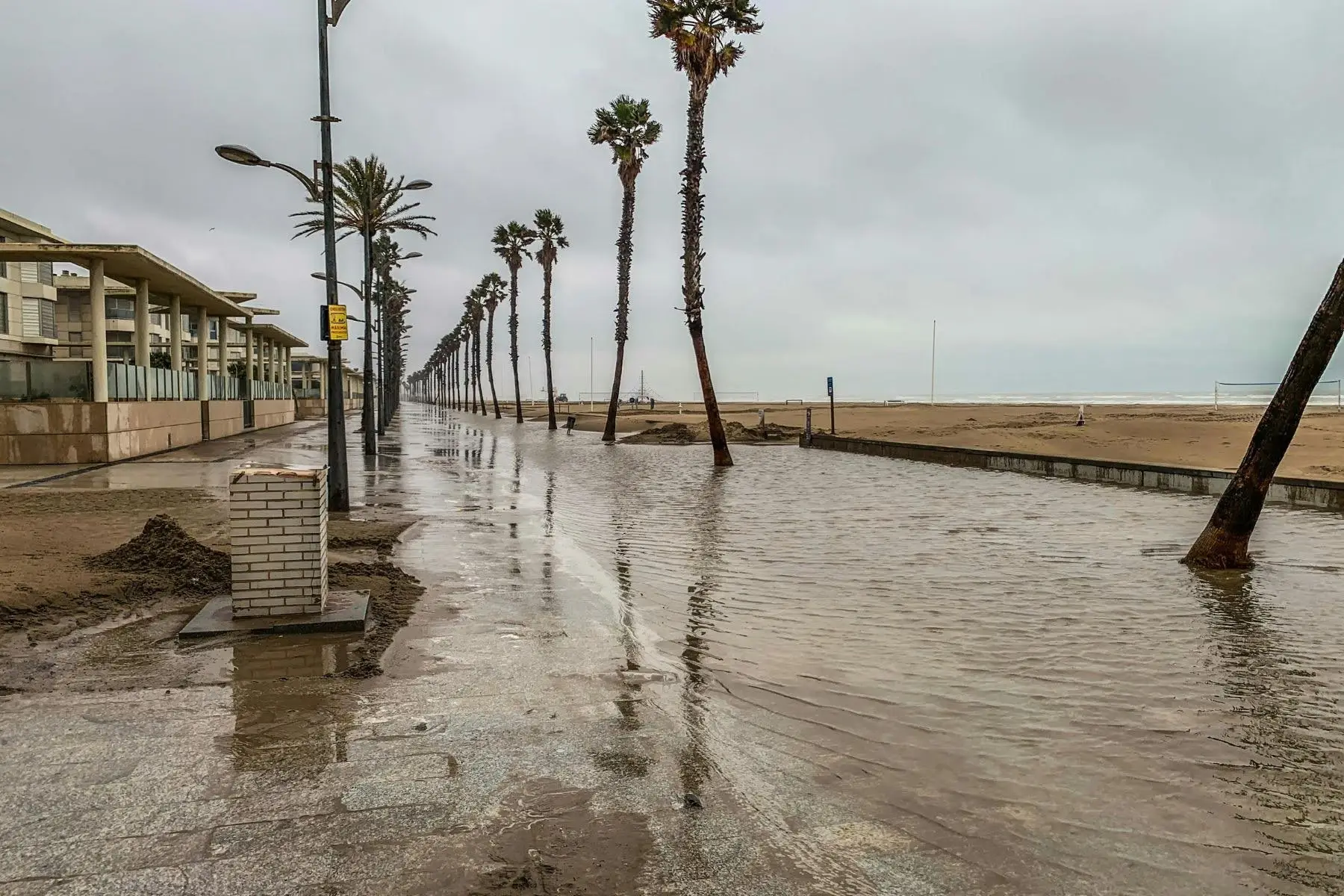
Florida homes take storm damage differently than homes farther north. Almost everything sits on a slab, so water that gets in spreads sideways across the floor instead of collecting in a basement.
That makes the damage easier to miss. A slab home can look dry underfoot while the drywall, baseboards and cabinet bases are quietly wicking water up from the bottom.
Here is what Florida homeowners should check after a hurricane or tropical storm, where water usually enters, and how restoration handles a house that took wind and rain at the same time.
How Wind Drives Water Into Florida Homes
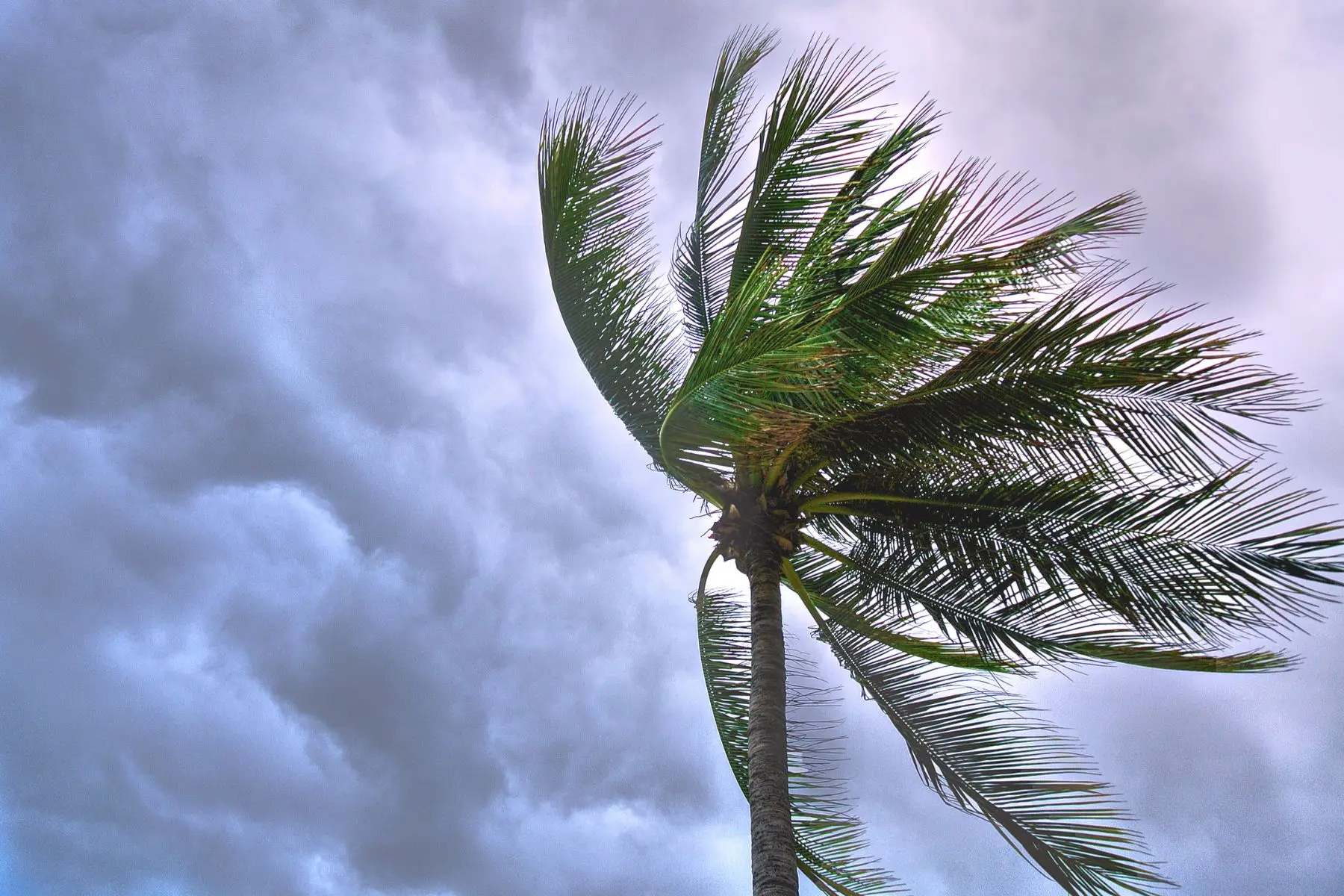
Wind-driven rain does not fall, it travels sideways. That is why Florida water damage so often shows up in places a normal rainstorm would never reach.
Soffits and roof vents are the most common entry point. Wind pushes rain up under the overhang and into the attic, and the ceiling below gets wet without a single shingle coming off.
Window and door seals are next. Tracks and weep holes that handle ordinary rain can be overwhelmed when the same rain arrives under pressure, which puts water into wall cavities and behind baseboards.
Tile roofs add their own version of this. A cracked or lifted tile may not look like damage from the ground while the underlayment beneath it is taking water with every band that passes.
Where Water Spreads in a Slab-Built Home
- Along the base of drywall and into baseboards, wicking upward from the floor
- Under tile and luxury vinyl plank, where it can sit for weeks without showing
- Into the bottom of kitchen and bathroom cabinets, which are usually particleboard
- Through wall cavities from a window or door that leaked under pressure
- Down from the attic into ceilings after soffit or vent intrusion
What to Check After the Storm Passes
Walk the Exterior First
Look at the roof line from the ground for lifted or missing shingles, cracked or displaced tiles, and damaged soffit panels. Check the lanai or pool enclosure, since screen frames pull away and can take fascia with them. Note anything that moved, including the fence, since its posts share the same saturated soil that holds up your trees.
Then the Attic and Ceilings
Go into the attic with a flashlight and look for daylight, damp sheathing and compressed or stained insulation. Inside, watch for ceiling stains that are still spreading and bubbling paint on walls.
Then the Floors and Lower Walls
Press on baseboards and the bottom few inches of drywall in rooms near exterior walls. Soft, swollen or discolored material means water got in. Lift a corner of carpet near an exterior wall if you can do it without damage. Check under sinks and inside the bottom of cabinets.
Document Everything Before Cleanup
Photograph each affected room, the water line, the exterior and roof, any damaged contents, and model and serial numbers on equipment that got wet. Keep receipts for tarps, fuel, a generator, lodging and anything else the emergency costs you.
- Emergency tarping and board-up. The roof and any broken openings are covered first, so the house stops taking on water.
- Water extraction. Standing water is pumped and extracted from floors and affected areas.
- Removal of wet materials. Saturated drywall, insulation, carpet, pad and cabinet bases come out, with drywall cut above the visible water line since water wicks upward.
- Structural drying. Air movers and dehumidifiers run on the affected rooms. Where water went under tile or plank flooring, specialty drying equipment may be used to pull moisture out from beneath the surface.
- Daily monitoring. Moisture readings on framing, subfloor and slab decide when the equipment comes out.
- Reconstruction. Drywall, flooring, cabinetry and finishes are rebuilt once the structure reads dry.
How Professional Storm Damage Restoration Works
Storm damage restoration and water damage restoration usually run together, since the same house needs the roof covered and the interior dried.
Flood Insurance and Homeowners Insurance in Florida
Wind-driven rain entering through a storm-created opening is generally a homeowners claim. Rising water, whether from surge, a canal or street flooding, is flood damage and runs through a separate flood policy.
Many Florida claims involve both, which means two carriers, two adjusters and two sets of documentation. Keeping the photos, invoices and notes separate from the start makes both easier to work through.
Keep Separate From the Start
- Photos of each affected room and the water line
- Invoices and receipts for emergency costs
- Notes for each carrier and adjuster
- Documentation split between wind and flood claims
Reducing Storm Damage Before the Next One
- Have the roof inspected before hurricane season to catch lifted tiles and failing underlayment while the repair is still small
- Clear gutters and check that window weep holes are open so ordinary drainage works when the rain arrives sideways
- Trim limbs that overhang the roof to lower the chance of impact damage
- Know where the water shutoff is to save time if a supply line fails during the storm
911 Restoration in Florida: 24/7 Storm and Water Damage Response
911 Restoration handles storm and water damage across the state, including Tampa Bay through Tampa, St. Petersburg, Clearwater, Brandon and Riverview, Central Florida through Orlando, Winter Park, Kissimmee, Sanford and Clermont, and South Florida through Miami, Coral Gables, Hialeah, Fort Lauderdale and West Palm Beach.
Crews are available 24 hours a day, with a typical arrival goal of 45 minutes. After a widespread storm, arrival depends on road conditions and how many emergencies are open at once.
Board-up, water removal, structural drying, sanitizing and reconstruction are handled by the same team, so there is one point of contact from the first call through to a finished home.
Need Storm or Water Damage Help Now?
Contact 911 Restoration for 24/7 emergency service.