Thanksgiving Weekend Sewer Backups: What Homeowners Should Know
Plumbers see a jump in calls the Friday after Thanksgiving, and it is not a coincidence. A full house puts several days of heavy use through a drain system in a short stretch.
A slow drain is an inconvenience. A backup that pushes water up through a floor drain or a basement fixture is a different problem, because that water is treated as contaminated.
Here is what homeowners should know about holiday sewer backups, what makes the water hazardous, and how sewage cleanup is handled.
Why Drain and Sewer Backups Spike Over Thanksgiving Weekend
Cooking grease is the main cause. Poured down a drain as a warm liquid, it cools inside the line, hardens on the pipe wall and catches everything that passes afterward.
Each holiday meal adds another layer. A line that was already narrowed by years of buildup finally closes.
Garbage disposals get blamed, though they often just move the problem downstream. Potato peels, celery, onion skins, rice, pasta and stuffing turn into a dense paste that packs into the line rather than washing through.
Guest load matters too. A house built for three people running four days of showers, dishwashing and laundry pushes far more volume than usual through the same pipes.
What Makes a Sewer Backup Different From a Water Leak
Water from a supply line is clean when it leaves the pipe. Water that comes back up through a drain has been through the waste system.
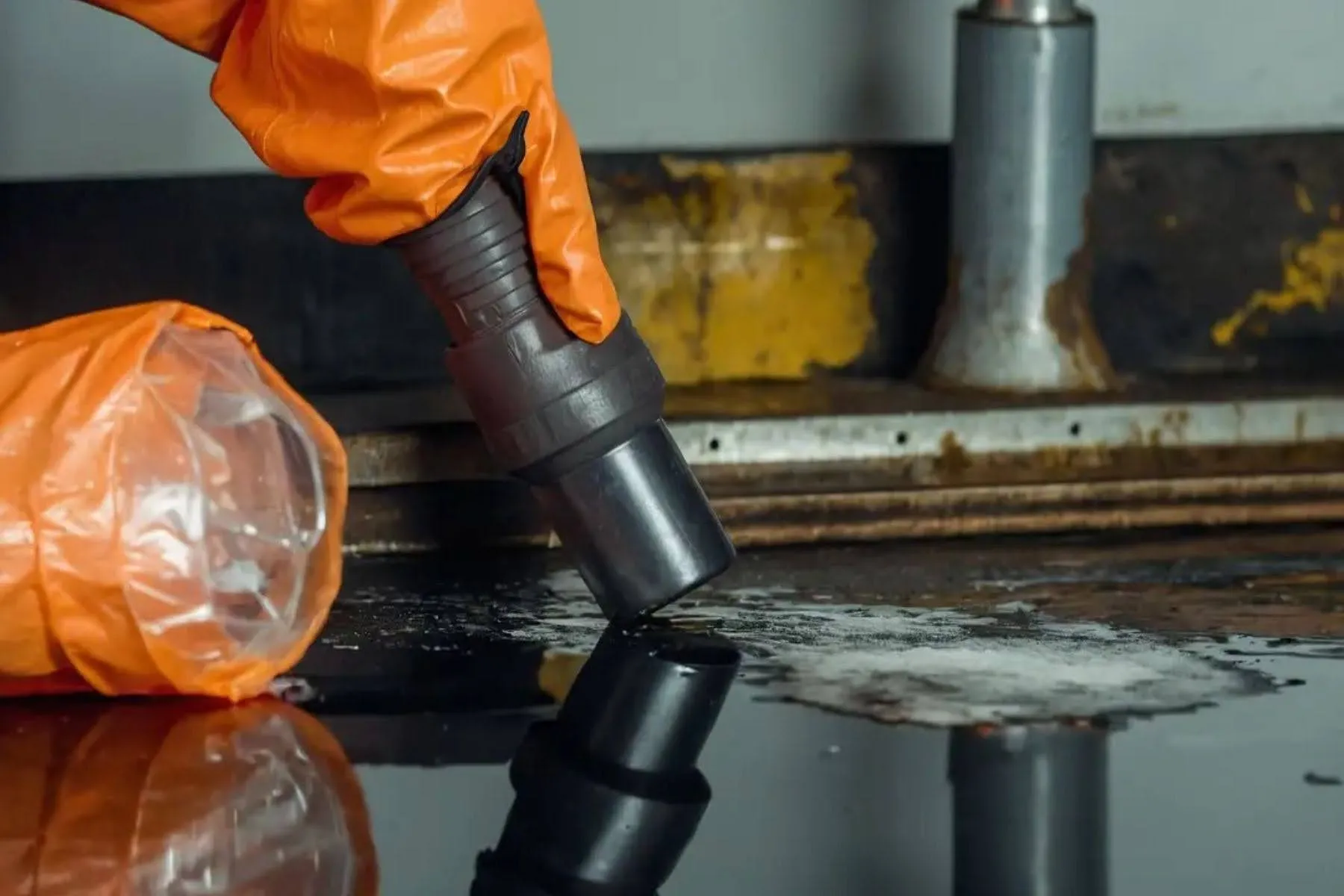
That water is classified as category 3, the most contaminated category, and it can carry bacteria, viruses and other pathogens. It is handled with protective equipment and disposal procedures, not a mop and a shop vac.
Porous materials it touches generally cannot be saved. Carpet, pad, drywall below the water line and particleboard furniture usually have to come out rather than be dried in place.
Signs a Main Line Is Backing Up Rather Than One Drain
- Several fixtures draining slowly at the same time, not just one
- A toilet bubbling when the washing machine drains or a sink runs
- Water appearing at a basement floor drain or a shower on the lowest level
- Gurgling from a drain after flushing anywhere in the house
- A sewage smell in a basement or near a floor drain
- Water backing up in one fixture when another is used
- Stop using water everywhere in the house. Every flush and every load of laundry adds to what is already coming up.
- Keep people and pets out of the affected area. Contaminated water is a health hazard, not just a mess.
- Shut off power to the area at the breaker if water is near outlets or appliances, as long as you can reach the panel without standing in water.
- Do not run fans across the water. Moving air over contaminated water spreads aerosols through the house.
- Photograph the affected areas before anything is touched or moved.
- Call a restoration crew and your insurance carrier. Sewer backup coverage is often a separate endorsement, so it is worth asking what your policy includes.
How Sewage Cleanup Works
Assessment and containment
The affected area is isolated so contamination does not spread into clean parts of the house.
Extraction
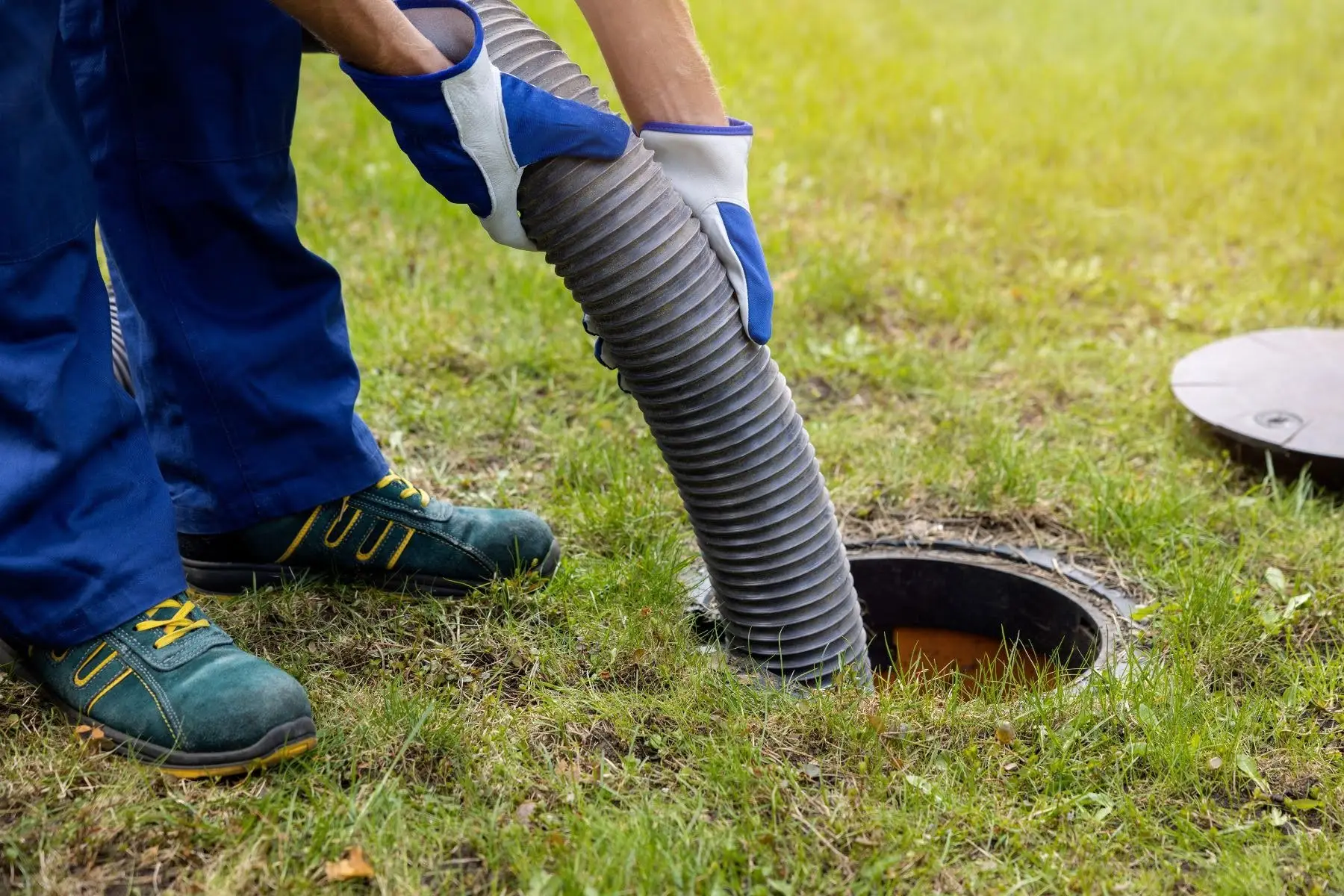
Contaminated water is pumped out with equipment dedicated to category 3 work.
Removal of affected materials
Carpet, pad, saturated drywall, insulation and porous contents are removed and disposed of under the applicable rules.
Cleaning and sanitizing
Remaining hard surfaces, framing and subfloor are cleaned and treated with antimicrobial products.
Structural drying
Air movers and dehumidifiers run until the materials return to normal dry readings.
Deodorization
Odor treatment addresses what cleaning alone leaves behind.
Repairs: Flooring, drywall and finishes are rebuilt once the area is clean and dry.
911 Restoration provides sewage cleanup along with the sanitization and reconstruction that follow it.
Mold Risk After a Sewer Backup
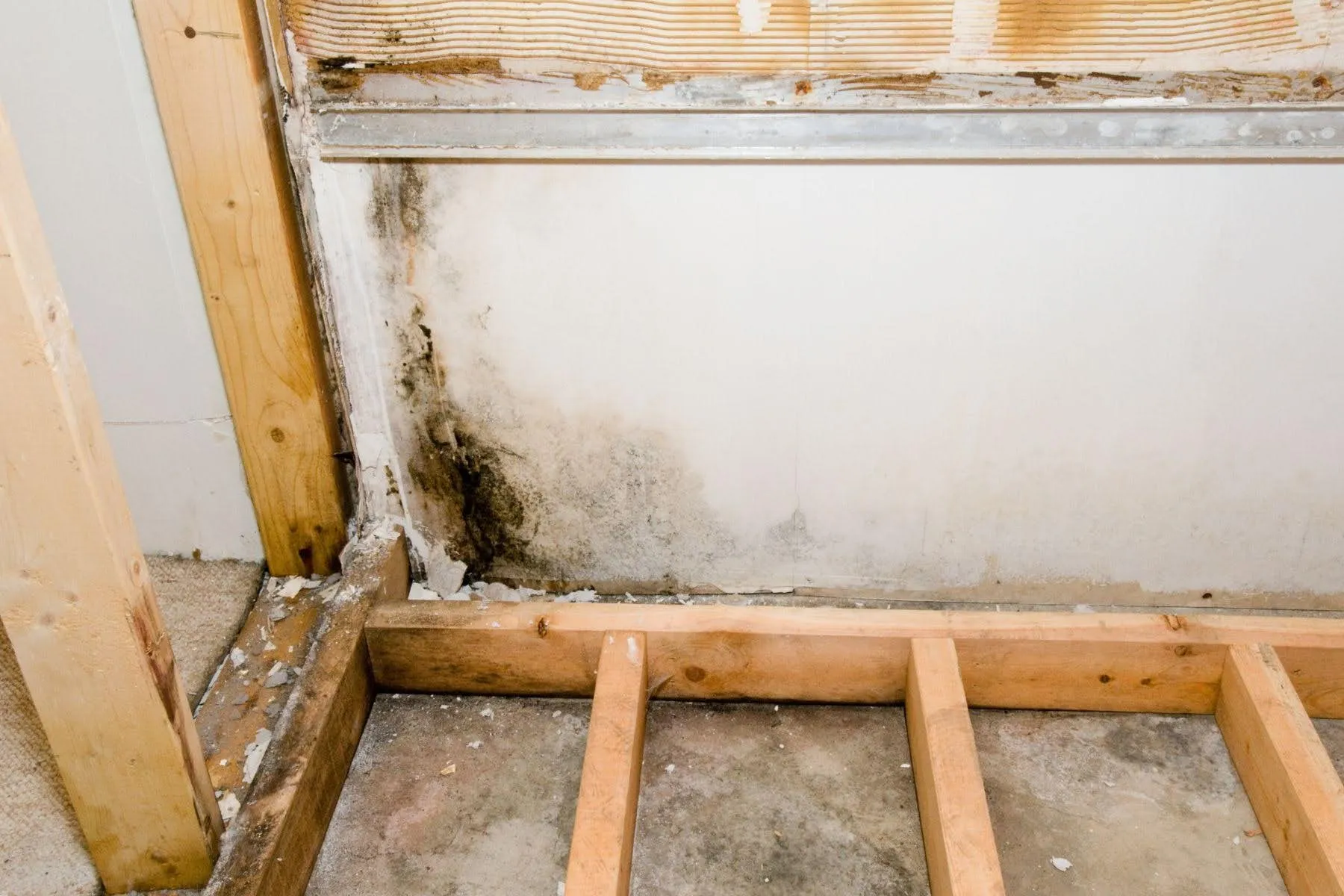
Contaminated water that soaked into a wall cavity or under a subfloor is both a sanitation problem and a mold problem, and the second one shows up later.
Growth can begin within a few days depending on temperature and how long materials stayed wet, which is why drying is monitored rather than guessed at.
Where water reached areas that dry slowly, a mold inspection a couple of weeks later catches growth while removal is still contained.
What to Document for a Sewer Backup Claim
- Photos and video of the water, the affected rooms and the fixture it came from
- The date and time the backup started and when water use stopped
- Damaged contents photographed before removal
- Any plumber invoice identifying the cause, which carriers commonly ask for
- Receipts for lodging and emergency services
How to Avoid a Holiday Drain Backup
Cooking grease goes in a can, not down the drain. Letting it cool and throwing it in the trash prevents the buildup that causes most of these calls.
Fibrous and starchy scraps belong in the trash or compost rather than the disposal, including peels, rice, pasta and stuffing.
Spacing out laundry and dishwasher loads over the weekend keeps peak volume down on a system that is already working harder than usual.
For an older home with a history of slow drains, having the main line inspected before the holidays is cheaper than cleaning up after it closes.
911 Restoration: 24/7 Sewage Cleanup and Backup Response
911 Restoration handles sewage backups across the South and Southwest, including East Dallas, San Antonio, Las Vegas, and Charleston in the South Carolina Lowcountry.
Crews are available 24 hours a day, holidays included, with a typical arrival goal of 45 minutes.
Extraction, sanitizing, structural drying and repairs are handled by one team, so there is a single point of contact from the first call through to a finished home.
Contact 911 Restoration for 24/7 Emergency Service
Sewage backups don't wait for business hours — our crews are available around the clock, holidays included.