Flash Flood Water Damage in Florida
Flash flooding does not need a hurricane behind it. A slow-moving band of rain that parks over the same counties for a day can put water inside homes that have never flooded before.
Early November 2026 showed how quickly it happens. Heavy rain overwhelmed drainage across Brevard County, Turkey Creek pushed into Palm Bay neighborhoods, and Palm Beach Gardens recorded close to 17 inches of rain in about six hours.
Here is what Florida homeowners should know about flash flood water damage, where the water goes once it is inside, and how cleanup works.
Why Heavy Rain Floods Florida Homes Without a Hurricane
Rainfall flooding and storm surge are different problems. Surge comes off the ocean with a named storm behind it. Rainfall flooding can happen on a day with no storm name attached at all.
How much rain falls matters less than how fast it arrives. Several inches spread across a day will usually drain. The same total in two hours will not.
Flat Terrain and Saturated Ground in Florida
- Much of Florida sits only a few feet above the water table. Once the soil is full, there is nowhere for the next inch of rain to go.
- Water then moves across the surface toward the lowest point on the property, which on most Florida homes is a garage door, a slab edge or a door threshold.
- Storms that arrive back to back make it worse. Ground that is still full from one system has no capacity left for the next.
Creeks, Canals and Storm Drains That Reach Capacity
- Florida drainage is built around canals, retention ponds and creeks that carry water toward a river or the Intracoastal.
- When those systems fill, they stop taking runoff and start pushing it back. Streets flood first, then yards, then homes.
- Properties near a creek face a second problem. A creek that overtops its banks can rise through a neighborhood in under an hour, and the water can keep rising after the rain has stopped overhead.
Where Flash Flood Water Gets Into a Florida Home
- Garage doors and door thresholds, usually the lowest openings on a slab home
- Sliding door tracks, where water pools on a patio or lanai before it finds a way in
- Wall cavities, where water wicks up through drywall and insulation well above the visible line
- Air handler closets and utility rooms at grade level
- Crawl spaces and raised foundations, where standing water can sit for days
- Floor drains and toilets, which can back up when the municipal system is overwhelmed
- Ground floor units and elevator pits in multi-story buildings
- Wait until it is safe to enter. Moving water and submerged outlets are both hazards, and standing water is often deeper than it looks.
- Shut off power to flooded areas at the breaker, if that can be done from a dry spot. If it cannot, that is a job for the utility or an electrician.
- Photograph everything before moving anything. Water lines on walls and furniture are what an adjuster will look for first.
- Get standing water out once it is safe. Pumps and truck-mounted extraction move far more than a shop vacuum.
- Start air moving through the space. Opening windows only helps when the humidity outside is lower than inside, which in Florida is often not the case.
- Lift wet rugs and move furniture off wet flooring. Furniture legs and fabric dyes stain wet carpet and wood quickly.
- Get a professional assessment. Water travels further through a slab home than it appears to, and moisture meters find what a walk-through misses.
How Flood Water Damage Cleanup Works
Assessment and moisture mapping
Meters and thermal imaging show how far water traveled through walls, cabinets and subfloor.
Water extraction
Standing water is pumped and extracted before any drying begins.
Removal of contaminated materials
Wet carpet, pad, insulation and drywall are cut out above the water line, because water wicks upward through the material.
Cleaning and sanitizing
Surfaces that held contaminated water are cleaned and treated under sewage cleanup procedure.
Structural drying and daily monitoring
Air movers and dehumidifiers run on the affected areas, with dedicated equipment placed in a crawl space rather than relying on units in the rooms above. Moisture readings on framing and subfloor decide when the equipment comes out, not a fixed number of days.
Reconstruction
Drywall, baseboard, flooring and cabinetry are rebuilt once the structure reads dry.
911 Restoration provides water damage restoration, sewage cleanup and the reconstruction that follows.
Where wind or a storm-damaged roof contributed, the work also follows storm damage restoration procedures.
How Fast Does Mold Grow After a Florida Flood?
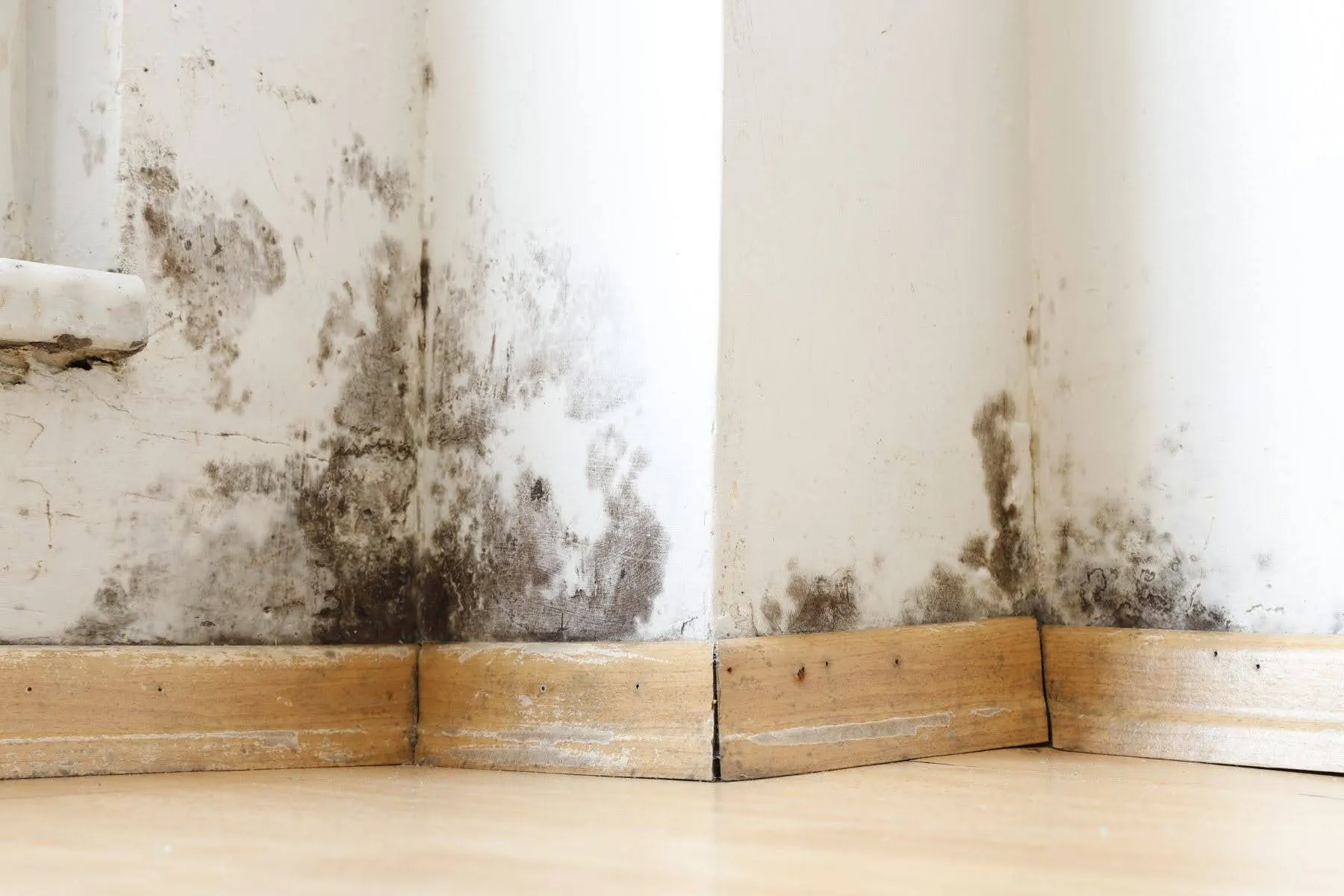
Mold can begin growing on damp organic material within roughly 24 to 48 hours under the right conditions, and Florida humidity keeps those conditions in place for weeks. Drying the structure quickly is the single thing that most reduces that risk. Wall cavities are where growth usually goes unnoticed, because a surface can look and feel dry while the insulation behind it is still wet. A mold inspection a couple of weeks after a flood catches growth while removal is still contained.
What to Document for a Florida Flood Damage Claim
One thing worth checking early. Damage from rising surface water is generally covered under a separate flood policy rather than a standard homeowners policy, while water that entered through a storm-damaged roof is usually handled differently. An adjuster can confirm which applies to a specific loss.
Document Before Cleanup
- Photos and video of the water line in every affected room, taken before cleanup starts
- Exterior photos showing how high water reached against the outside of the home
- Damaged contents photographed in place, before anything moves to the curb
- Model and serial numbers for flooded appliances and air conditioning equipment
- Receipts for pumps, fans, fuel, lodging and anything else bought during the emergency
- The dates of each rain event, since more than one storm may have contributed
Reducing Flood Damage Before the Next Heavy Rain Event
- Clearing gutters, yard drains and the storm drain at the curb lets water leave the property instead of pooling against the house.
- Moving valuables off the garage floor and off the lowest shelf costs nothing and protects the items most often lost.
- Sandbags or a flood barrier across a garage door and exterior thresholds help against a few inches of water, which is what most rainfall flooding actually delivers.
- For a home that has flooded before, raising the air handler, water heater and electrical panel above the previous water line is worth pricing out before the next wet season.
911 Restoration: 24/7 Flood and Water Damage Response Across Florida
911 Restoration covers flood and water damage across Florida, including Orlando and Central Florida, West Palm Beach and the Treasure Coast, and Miami and South Florida.
Crews are available 24 hours a day, with a typical arrival goal of 45 minutes. After widespread flooding, arrival depends on road conditions and how many emergencies are open at once.
Extraction, drying, sanitizing and reconstruction are handled by the same team, so there is one point of contact from the first call through to a finished home.
Areas We Serve
- Orlando and Central Florida
- West Palm Beach and the Treasure Coast
- Miami and South Florida
24/7 Emergency Flood & Water Damage Response
Contact 911 Restoration for 24/7 emergency service across Florida.