Most New England homeowners think of nor'easters as a winter problem. That assumption misses a real seasonal spike that hits right around the fall equinox.
As summer turns to fall, the temperature gap between cold air pushing south and the still-warm Atlantic widens fast. That gap is exactly what fuels a nor'easter, and it peaks earlier in the year than most people expect.
Why the Equinox Fuels Stronger Storms
The jet stream shifts position as the seasons change, and that shift accelerates around the equinox. A stronger jet stream means storm systems intensify faster and track closer to the coast.
Ocean water is still near its warmest point of the year in September. Combine that warm water with the season's first real blast of cold air, and the ingredients for a powerful coastal storm come together well before winter officially arrives.
How a September Nor'easter Differs From a Summer Storm
A summer thunderstorm is fast and localized. A September nor'easter is slower, wider, and built around sustained onshore wind rather than a quick burst of rain.
That difference matters for property damage. Sustained wind and prolonged heavy rain cause different problems than a short, intense downpour, and homeowners who prepared for one don't always know how to prepare for the other.
Home Vulnerabilities a Nor'easter Exposes
- Roof shingles loosened by summer heat, not yet checked before fall wind arrives
- Coastal flooding from wind-driven storm surge, even without a direct hurricane hit
- Trees still in full leaf, which catch more wind than bare winter branches
- Gutters full of early leaf drop, unable to handle sustained rain
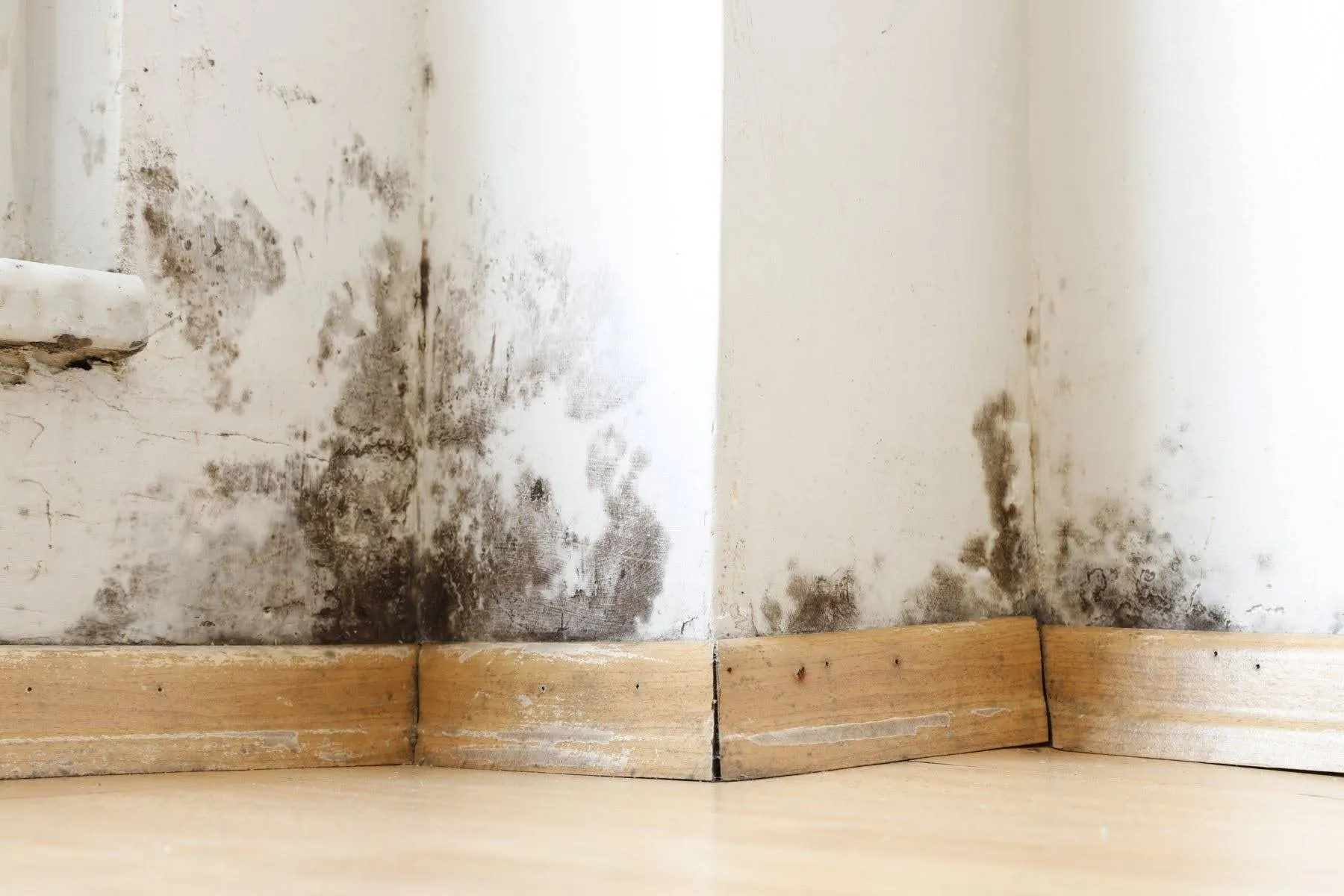
- Basements that haven't been checked since spring rains
Preparing Before the Equinox Arrives
A quick pre-equinox check makes a real difference. Clear gutters before leaf drop picks up, inspect the roof for loose shingles, and confirm sump pumps are working before the season's first real storm.
Homeowners along the coast should also know their property's flood risk from wind-driven surge, not just rainfall. A nor'easter's surge can push water into homes that never flood during a typical rainstorm.
What Happens When a Nor'easter Causes Damage
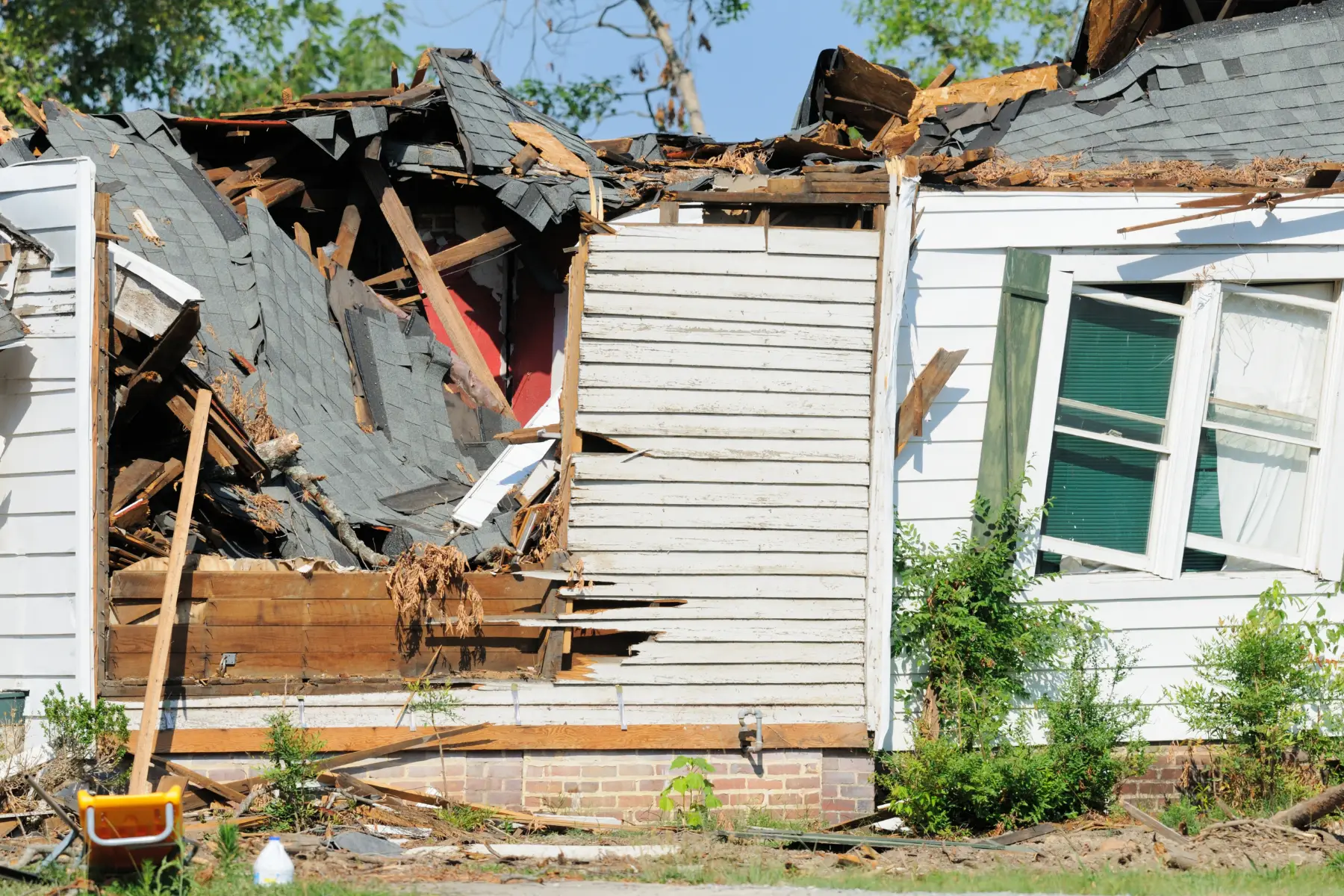
Wind and water damage from a nor'easter often arrives together. A downed tree limb can open a roof to rain in the same event that's already pushing storm surge into a basement.
Our storm damage restoration teams handle both sides of that damage at once, tarping and structural repair alongside water extraction, so a property isn't waiting on two separate responses for one storm.
Equinox Storms Across New England
Nor'easter risk touches the entire New England coast, though where a dedicated branch is nearby varies by state.
Massachusetts
- Coastal Massachusetts, including Peabody and the rest of the North Shore, sits directly in the path of equinox-season nor'easters moving up the coast. 911 Restoration of Peabody responds to wind and water damage from these storms across the North Shore each fall.
Maine, New Hampshire, Rhode Island & Connecticut
- Homeowners across the rest of New England face the same equinox-season risk, even in areas without a dedicated 911 Restoration branch nearby yet. The storm mechanics don't change from one state line to the next.
Get Ahead of This Season's First Nor'easter
The fall equinox marks the start of coastal New England's most storm-active stretch, not the end of storm season. Contact 911 Restoration for a 24/7 assessment from a local, IICRC-certified crew that knows how quickly a September nor'easter can turn into a homeowner's first storm damage claim of the season.