What to Do Before the Restoration Crew Arrives
Every summer, storms catch homeowners off guard. Rising water, overwhelmed gutters, and pressure-burst pipes can cause serious damage in a matter of minutes, and what you do in that window before a restoration crew shows up can mean the difference between a manageable repair and a full-scale rebuild. Here is a step-by-step breakdown of how to respond.
The Clock Starts the Moment Water Enters Your Home
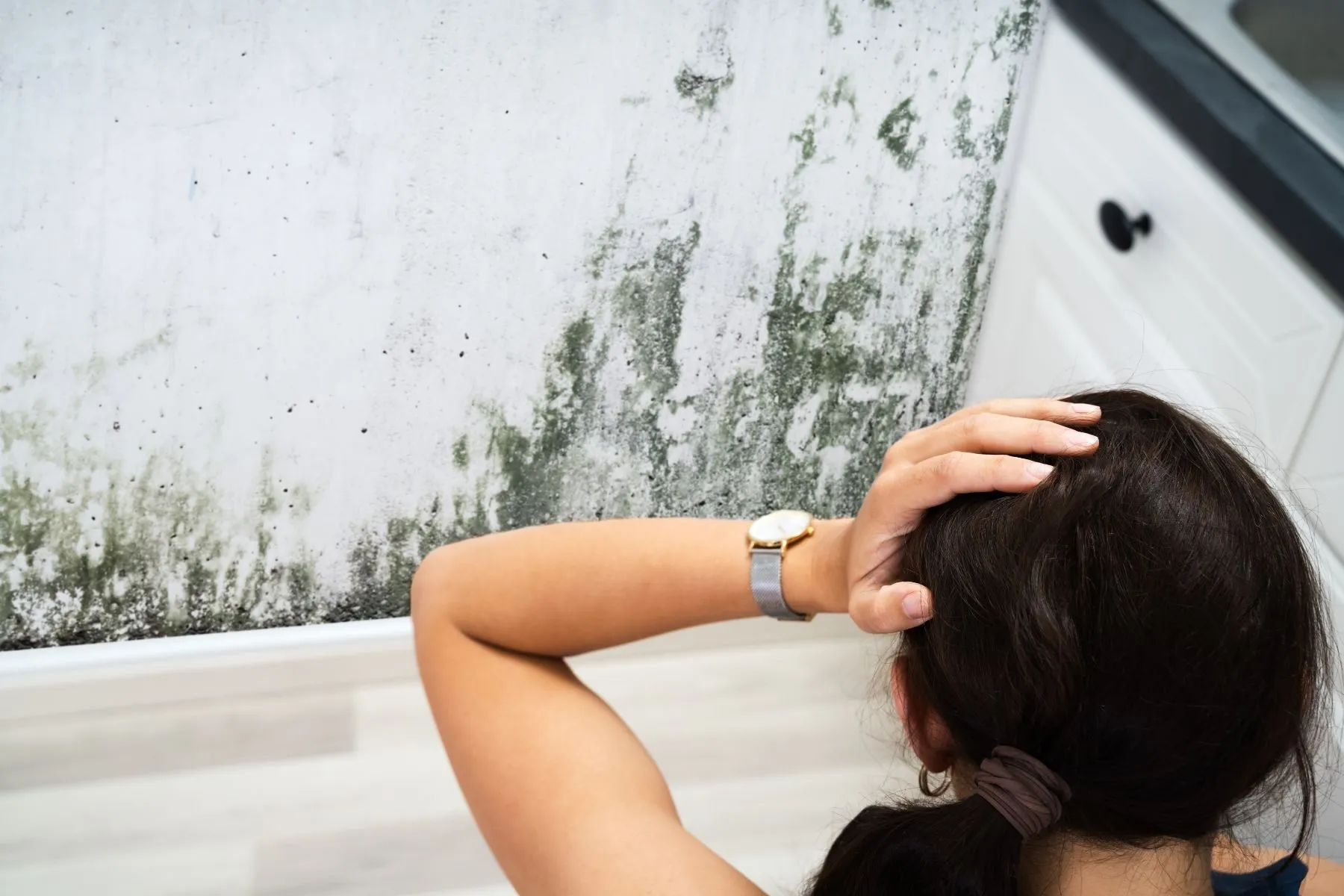
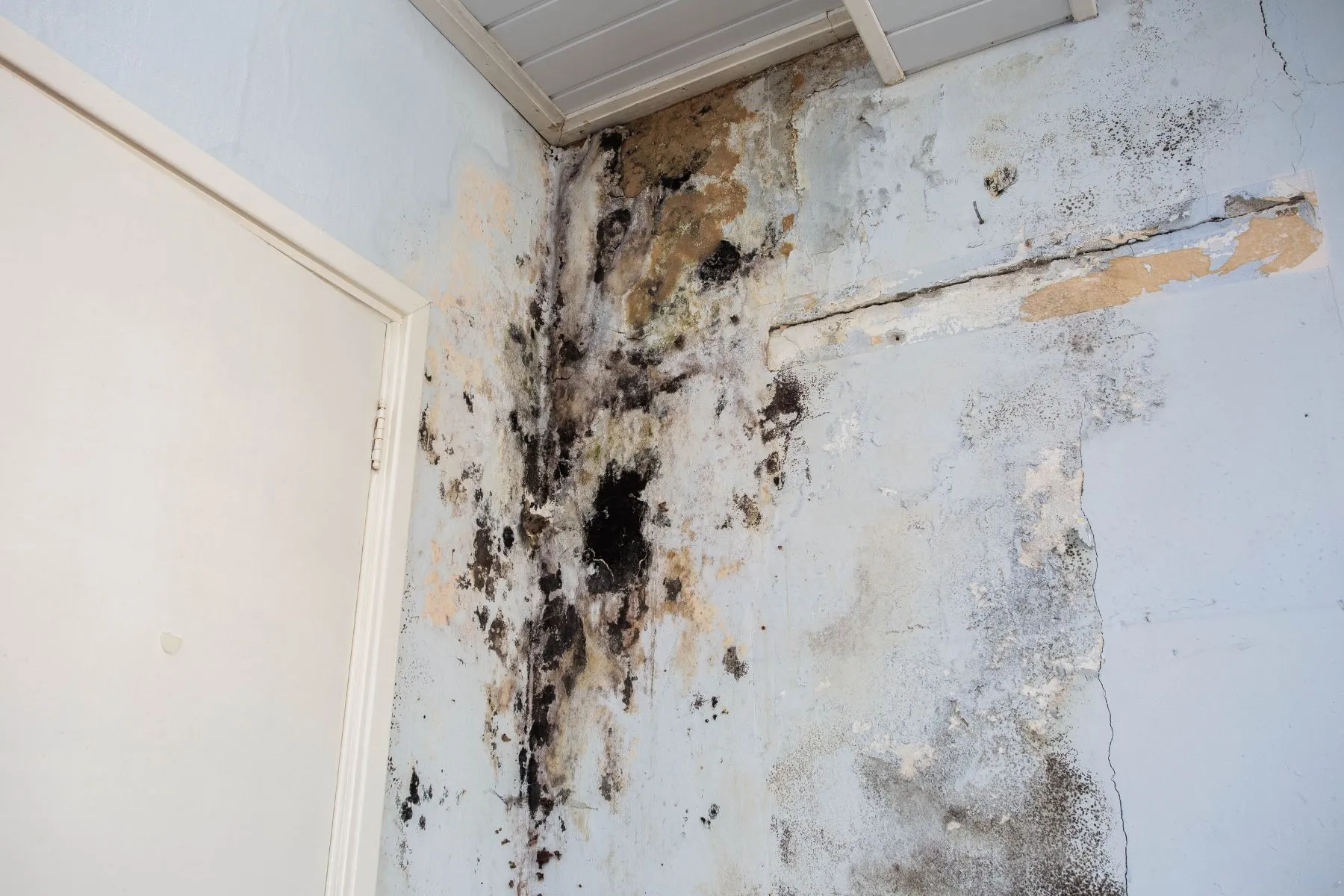
Most people underestimate how quickly water damage escalates. Within minutes, water is working its way into subfloors, wall cavities, and insulation. Give it 24 to 48 hours and mold becomes a real threat — one that adds significant time and cost to any restoration project.
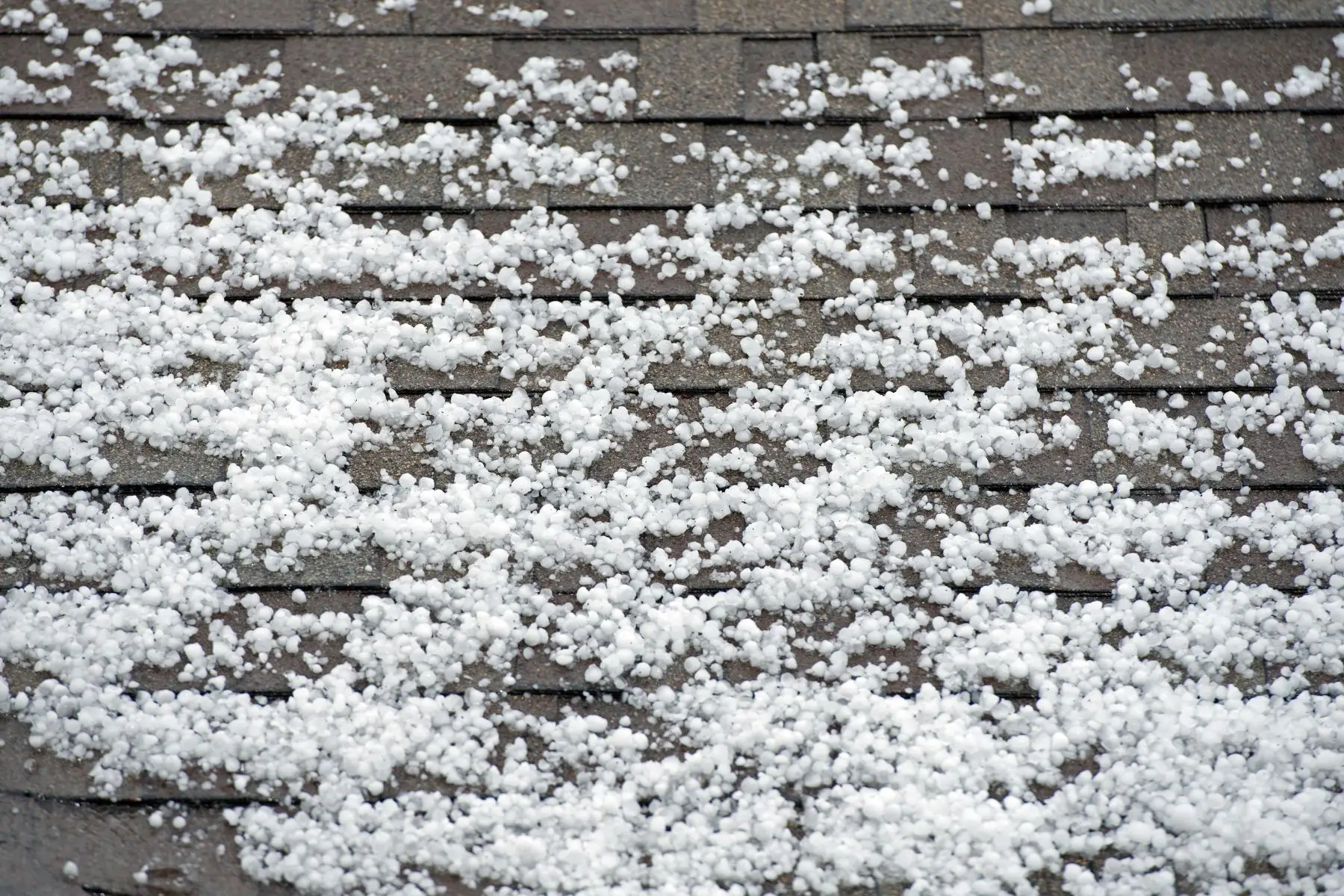
Hurricane season runs from June through November, with the most active period falling between August and October. Combined with summer thunderstorms across the Gulf Coast, Midwest, and Pacific Northwest, this stretch of the year brings some of the highest water damage risk homeowners will face all year. Being prepared before a storm hits puts you in a much stronger position when one does.
Assess the Space for Safety Hazards
Do not rush in. Water-damaged spaces can pose serious risks before you ever pick up a mop.
Cut Power & Check Stability
- Standing water near electrical outlets, appliances, or a breaker panel creates a life-threatening hazard. If you can get to your electrical panel safely from a dry area, shut off power to any rooms where water is present before entering.
- Sagging ceilings, warped walls, and soft or uneven flooring are all warning signs that the structure has been weakened. If anything looks unstable, leave the area and wait for a professional to assess it.
Stop the Water at the Source
- For damage coming from inside the home, like a burst pipe or failed appliance connection, shut off your main water supply valve immediately.
- If the damage is storm-related, check whether your sump pump is keeping up and whether any exterior drainage is blocked.
Your Step-by-Step Response
Photograph & Video Everything First
Before touching a single item, document the scene thoroughly. Walk through every affected room with your phone and capture video of standing water, soaked belongings, damaged walls, and flooring. Still photos of specific damage points are helpful too. This record will be essential when you file your insurance claim and when your restoration team needs to understand the full scope of what happened.
Start Pulling Water Out
Once you have confirmed the space is safe, begin removing standing water with whatever tools you have available. A wet/dry vacuum is the most effective option, but mops and absorbent towels help too. The faster water comes up, the less it penetrates into your floors and walls.
Clear Out Valuables & Protect Your Furniture
Move anything of value out of wet areas right away. Rugs, electronics, documents, and furniture should all be relocated if possible. For heavier pieces that cannot be moved, slide aluminum foil or small wood blocks under the legs to keep them from sitting directly on wet flooring and causing additional staining or warping.
Get Air Moving Throughout the Space
Ventilation is one of the most effective tools you have for slowing mold growth. Open windows and exterior doors if conditions allow. Set up fans to push air through the space and run a dehumidifier if you own one. If there is any chance water has gotten into your ductwork, keep the HVAC system off — running it could push contaminated air into unaffected parts of the home.
What to Avoid After Water Damage
- Do not use a standard vacuum on standing water
- Do not walk into a room with a visibly sagging ceiling
- Do not switch on ceiling fans in a room with a wet ceiling
- Do not dismiss small amounts of water — moisture that is not fully dried leads to mold
- Do not delay calling a restoration company while waiting to see if things dry on their own
Why Choose 911 Restoration After a Storm
What is visible after a flood or storm is rarely the full picture. Moisture hides in wall cavities, beneath flooring, and inside insulation, and without professional drying equipment it never fully clears.
911 Restoration coordinates directly with your insurance provider so the claims process does not become another source of stress on top of everything else.
What You Get
- Available 24/7 with a 45-minute response time
- IICRC-certified technicians
- Initial water extraction and structural drying
- Full reconstruction when needed
- Direct coordination with your insurance provider
Contact 911 Restoration for Storm Water Damage Help Today
Has a storm left water damage behind in your home? When a storm leaves water behind, fast action protects everything you have worked for. Reach out and get a crew moving toward you right away — available 24/7 nationwide with a 45-minute response time.