Hurricane Damage Restoration on the Gulf Coast
A hurricane leaves behind several kinds of damage at once. Wind opens the roof, surge pushes water into the first floor, and rain keeps falling for a day or more after the worst of it has passed.
That combination is what makes hurricane cleanup slower and more involved than a burst pipe or a single roof leak.
Here is what Gulf Coast homeowners should know about the first days after a hurricane, what to document, and how professional restoration handles a house that took wind and water in the same storm.
Why Hurricane Damage Is Different From an Ordinary Storm
Most water losses come from one source. A hurricane usually brings three.
Wind lifts shingles and flashing, which lets rain into the attic and down through ceilings. Surge pushes salt water and whatever was in the storm drains into ground floors and crawl spaces. Heavy rain saturates the soil, so water keeps finding its way in through foundations and grade-level openings after the storm has moved on.
Each of those needs a different response, and the order matters. Drying a house before the roof is covered usually means drying it twice.
The First 24 Hours After a Hurricane Passes
What to check before you go back inside, and what to record before any cleanup starts.
Safety Checks Before You Go Back Inside
Standing water may be in contact with live wiring. Have the utility or an electrician confirm the panel and any submerged outlets are dead before anyone works in the water.
Watch for sagging ceilings. Drywall holding water overhead can come down without warning, and a bulge or a brown stain spreading across a ceiling is a sign to stay out of that room.
If you smell gas or see downed lines near the house, leave and call it in before doing anything else.
Documenting Hurricane Damage for Your Insurance Claim
- The high-water mark in every affected room
- Exterior damage from several angles, including the roof line if you can see it safely
- Contents and furnishings before they are moved or discarded
- Model and serial numbers on appliances and mechanical equipment that got wet
- Receipts for tarps, pumps, fuel, lodging, and anything else you spend during the emergency
Storm Surge and Flood Water in Gulf Coast Homes
Surge water is treated as contaminated from the start. It mixes with storm drains, fuel from flooded vehicles and tanks, and in many cases with sanitary sewers.
That changes what can be saved. Porous materials the water touched usually come out instead of being cleaned, which means carpet and pad, fiberglass insulation, and the lower section of drywall.
Salt is the part most homeowners do not expect. It stays in the framing and the slab after the water is gone, pulls moisture back out of the air, and corrodes fasteners, electrical boxes and ductwork over time if it is never flushed out during cleanup.
Along the coast, 911 Restoration of Gulf Coast Mississippi (https://www.911restoration.com/branches/gulf-coast-mississippi) works through Gulfport, Biloxi, Ocean Springs, Pascagoula and Gautier, where surge and wind often arrive within the same few hours.
How Professional Hurricane Damage Restoration Works
Emergency board-up and tarping
The roof and any broken openings are covered first, so the house stops taking on water while the rest of the work happens.
Controlled water removal
Pumps and extraction units pull standing water out. In a flooded crawl space the level is lowered gradually, because emptying it quickly while the ground outside is still saturated can crack or bow a foundation wall.
Removal of unsalvageable materials
Saturated drywall, insulation and flooring come out. Drywall is typically cut well above the visible water line, since water wicks up the paper facing.
Structural drying
Air movers and dehumidifiers run until framing and subfloor read at their normal dry level for the house, tracked with daily moisture readings.
Cleaning and sanitizing
Framing and slab are cleaned and treated with an antimicrobial before anything is closed back up.
Reconstruction
Walls, flooring and finishes go back in once the structure reads dry.
Mold Risk in Gulf Coast Humidity After Flooding
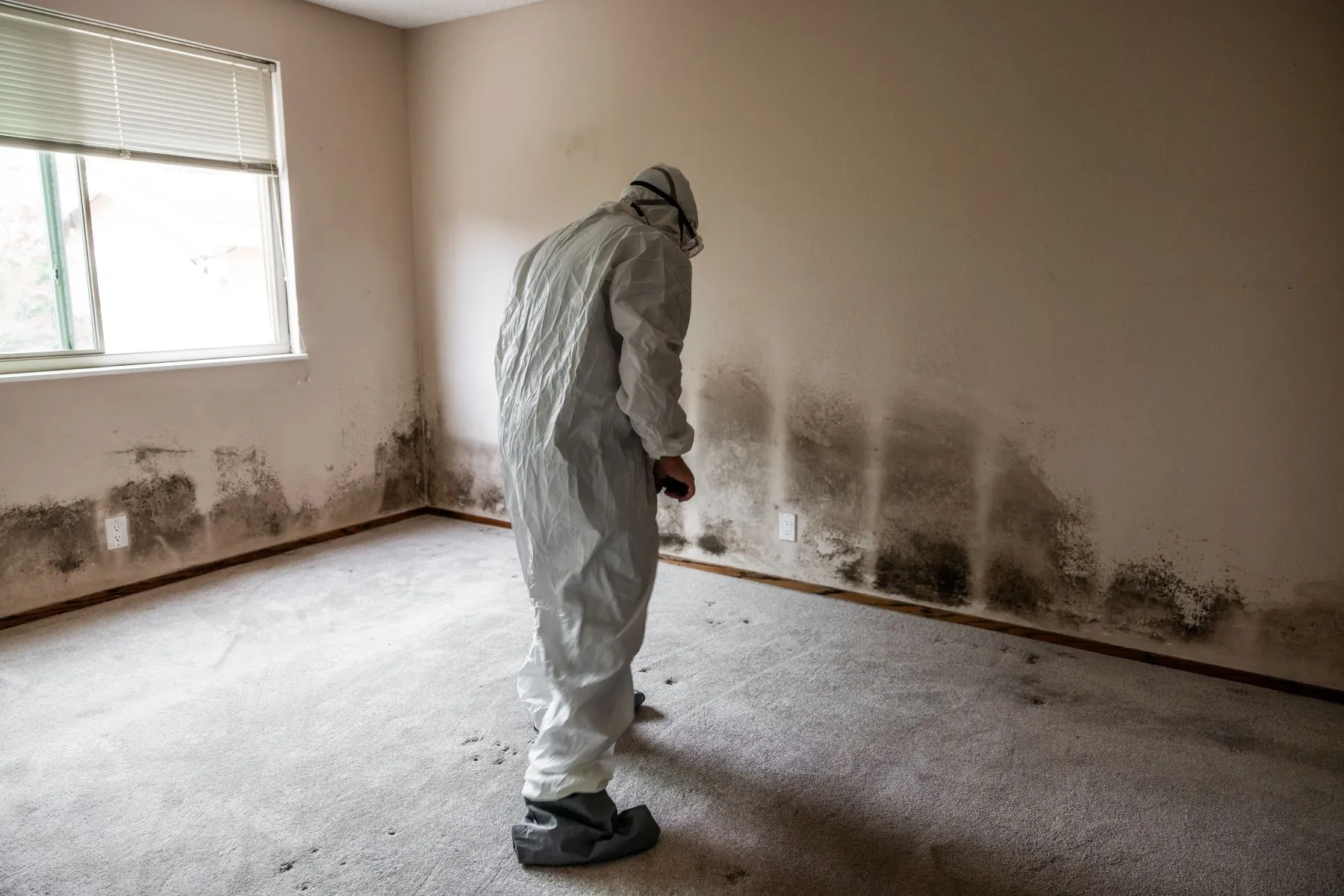
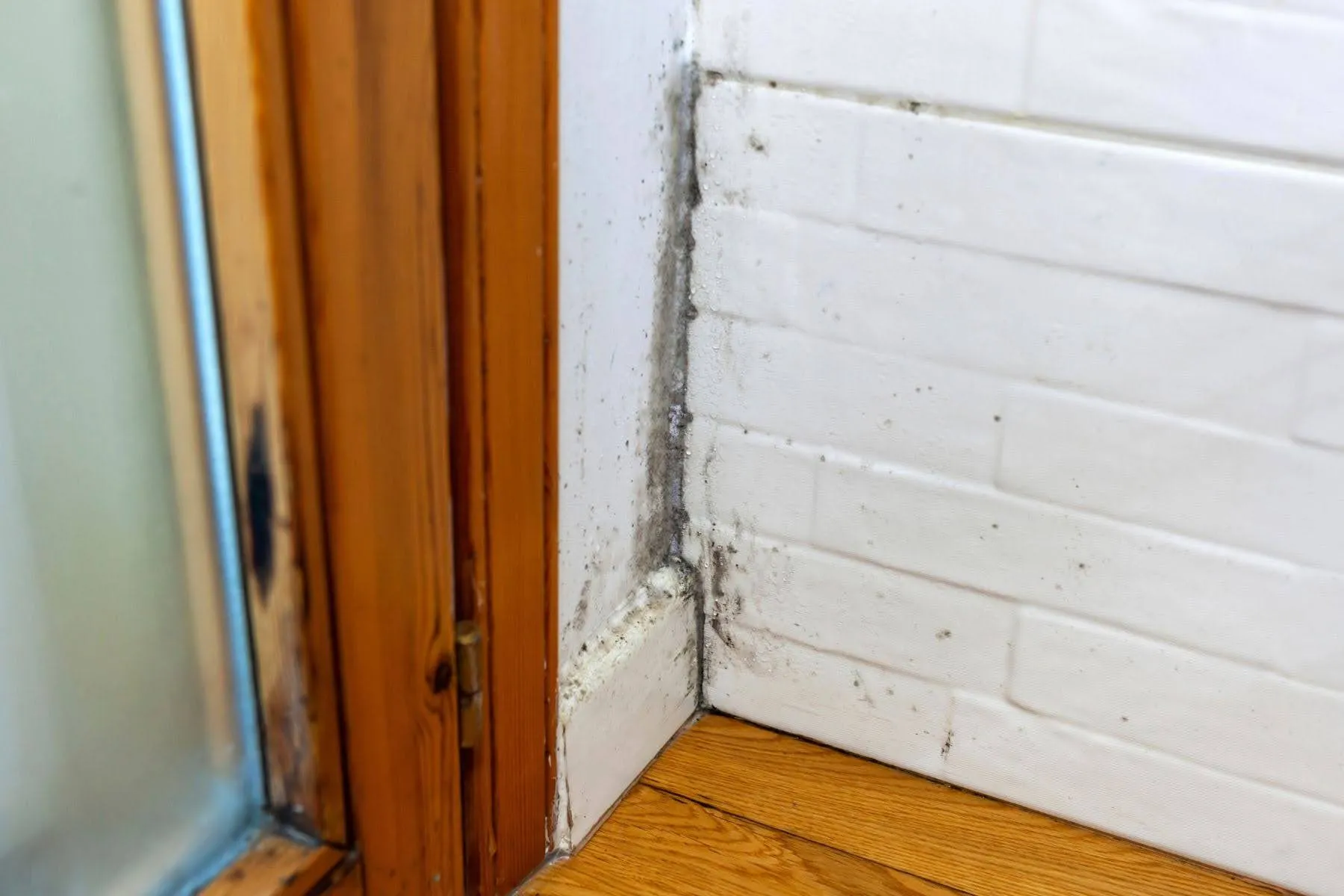
Coastal humidity slows drying and gives mold a longer window. Growth can begin inside wall cavities within a few days of flooding, depending on temperature and how long the materials stayed wet.
A house that was pumped out and fanned with household fans often looks fine on the surface while the studs behind the drywall are still holding water.
A mold inspection (https://www.911restoration.com/services/mold-clean-up-remediation) a couple of weeks after the water recedes can catch that growth while it is still a small removal job.
Flood Insurance and Homeowners Insurance After a Hurricane
Storm surge and rising water are flood damage, and standard homeowners policies exclude them. If you carry a separate flood policy, that claim runs through its own carrier, its own adjuster and its own documentation rules, which may include a signed proof of loss within a set window.
Wind damage to the roof from the same storm generally goes through the homeowners policy.
Keeping the two sets of photos, invoices and notes separate makes both claims easier to work through.
Two Claims, Two Processes
- Surge and rising water = flood policy
- Wind and roof damage = homeowners policy
- Flood claims may need a signed proof of loss within a set window
- Keep photos, invoices and notes separate for each claim
Reducing Hurricane Damage Before the Next Storm
- Clear gutters and downspouts before hurricane season so roof water gets away from the house instead of backing up under shingles
- Install a sump pump with a battery backup that keeps working through the outage that usually comes with the storm
- Seal crawl space vents and grade-level openings to slow how fast water gets underneath the house, though it will not stop surge
911 Restoration on the Gulf Coast: 24/7 Hurricane Damage Response
911 Restoration handles hurricane cleanup across the northern Gulf, from New Orleans (https://www.911restoration.com/branches/new-orleans), Metairie and Slidell through coastal Mississippi (https://www.911restoration.com/branches/gulf-coast-mississippi), inland to Hattiesburg and the Pine Belt (https://www.911restoration.com/branches/south-mississippi), and east into Mobile and Baldwin County (https://www.911restoration.com/branches/south-alabama).
Crews are available 24 hours a day, with a typical arrival goal of 45 minutes. After a widespread storm, arrival depends on road conditions and how many emergencies are open at once.
The same team handles board-up, water removal, drying, sanitizing and the rebuild, so there is one point of contact from the first call through to a finished home.
24/7 Hurricane Damage Response
Contact 911 Restoration for 24/7 emergency service across the Gulf Coast.