From Raleigh's established neighborhoods and the rapidly growing suburban communities of Cary, Morrisville, Apex, Holly Springs, Fuquay-Varina, and New Hill to the south and west, east through Garner, Knightdale, and Wendell, and south to Willow Spring and Moncure throughout Wake and Chatham Counties, our IICRC-certified technicians understand the distinct restoration challenges facing one of the Southeast's fastest-growing metro areas. Whether you're dealing with crawl space mold from North Carolina's year-round humidity, flooding from tropical storm remnants and severe thunderstorms, burst pipes from Piedmont ice storms, or fire and smoke damage, we arrive within 45 minutes. We serve homeowners, Research Triangle technology and life sciences companies, state government facilities, and businesses throughout the territory, available 24 hours a day, every day of the year.
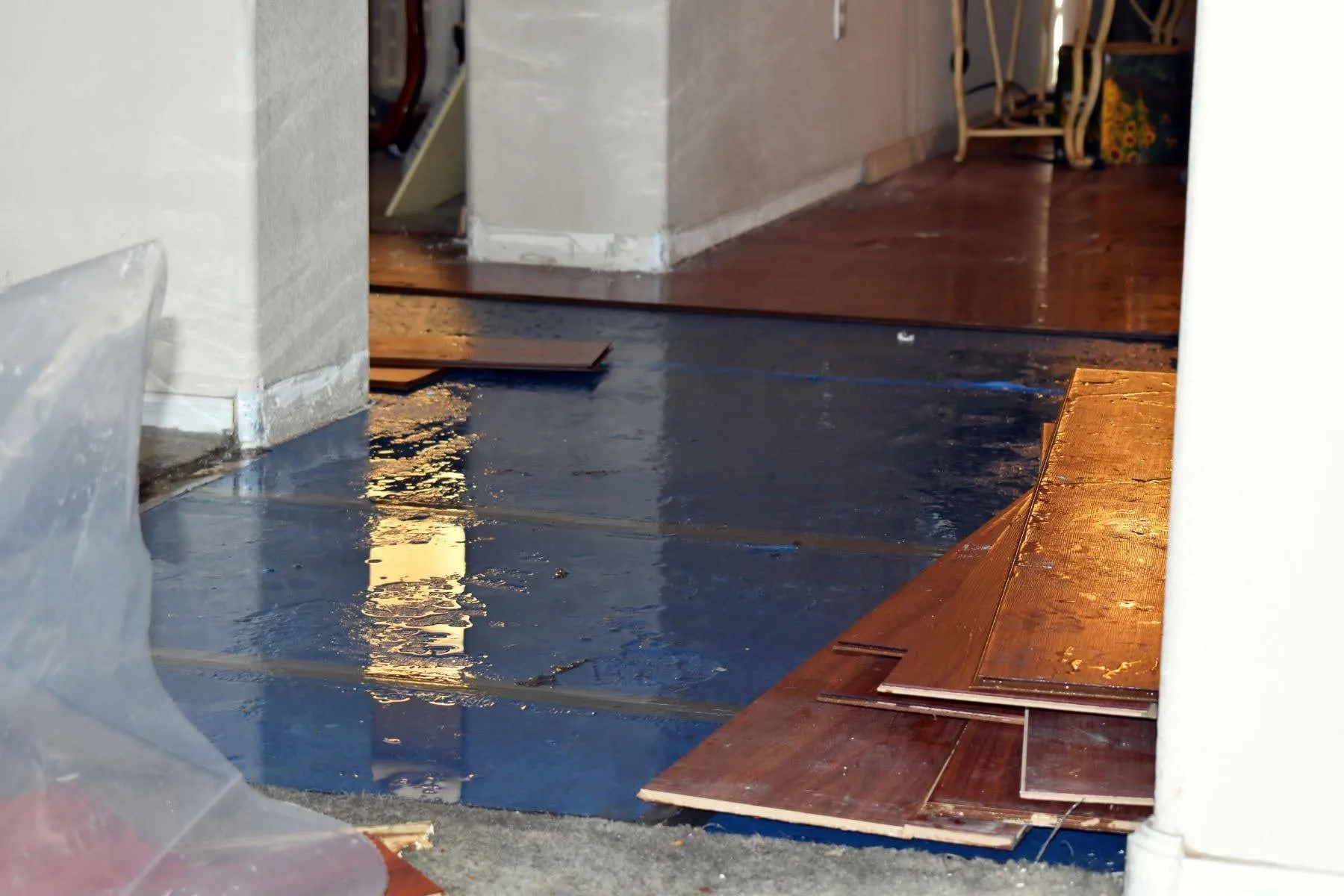
Tropical storm and hurricane remnant flooding, severe spring thunderstorm basement and surface flooding, burst pipes from Piedmont ice storms, and plumbing failures throughout Wake County's rapidly growing residential inventory. 24/7 response.
Learn more →Complete fire and smoke damage restoration across the Raleigh metro -- from historic Oakwood and Five Points neighborhoods through the established suburbs of Garner and Knightdale to the newer residential communities of Apex, Holly Springs, and Fuquay-Varina.
Learn more →North Carolina's year-round humidity creates persistent crawl space mold throughout Wake County's large inventory of crawl space homes. Certified remediation and moisture source correction across the Raleigh metro and surrounding communities.
Learn more →Emergency sewage cleanup for Raleigh's older established neighborhoods and the private septic systems common in the rural and semi-rural communities of southern Wake and Chatham Counties -- 24/7 response across the territory.
Learn more →Rapid restoration for Research Triangle Park technology and life sciences campuses, Raleigh's state government and healthcare facilities, Cary and Morrisville's corporate corridors, and businesses throughout Wake and Chatham Counties.
Learn more →From tropical storm flood rebuilds and ice storm structural repairs to tornado damage reconstruction and fire restoration throughout the Raleigh metro -- one local Wake County company, no subcontractors.
Learn more →Certified biohazard and crime scene cleanup serving law enforcement, property managers, and families throughout Wake and Chatham Counties with full North Carolina Department of Health and Human Services compliance.
Learn more →EPA-approved disinfection for Raleigh homes, Research Triangle technology and life sciences facilities, state government buildings, healthcare campuses, and commercial properties throughout the Raleigh metro.
Learn more →Immediate response to tropical storm remnants, Piedmont ice storms, tornadoes, and the severe spring and summer thunderstorms that regularly produce damaging hail and flooding throughout Wake County and the Raleigh metro.
Learn more →Raleigh's water damage profile is shaped by North Carolina's position in the path of Atlantic weather systems. Tropical storms and hurricanes that make landfall on the North Carolina coast and track inland frequently move directly over Wake County before weakening, delivering rainfall totals that drainage systems built for normal conditions are not equipped to handle. The Neuse River -- which flows through eastern Wake County and drains much of the territory -- is among the most flood-prone rivers in the state during significant storm events. Swift Creek, Walnut Creek, and the numerous smaller tributaries and stormwater drainages that thread through Raleigh's neighborhoods and the suburban communities of Garner, Knightdale, and Wendell can overflow rapidly during intense rainfall events, affecting properties throughout creek and drainage corridors in ways that homeowners who are newer to the region may not have anticipated.
Wake County's explosive growth over the past two decades has added another water damage dimension: the sheer volume of new residential construction means a large inventory of properties with plumbing, roofing, and building envelope systems that are reaching their first maintenance inflection points simultaneously. The rapid development of communities like Holly Springs, Fuquay-Varina, New Hill, and Willow Spring has also expanded the impervious surface area across southern Wake County in ways that concentrate stormwater and create flooding conditions in neighborhoods that were farmland a decade ago. Piedmont ice storms remain a distinct seasonal threat -- winter precipitation that falls as freezing rain rather than snow is a recurring feature of North Carolina winters, and the freeze-thaw pipe damage that follows sustained below-freezing periods affects properties throughout the territory. Our team responds 24/7 to all of it.
A fire leaves behind far more than visible damage. Smoke penetrates walls, ductwork, and personal belongings, and soot continues corroding surfaces long after the flames are out. In North Carolina's humid climate, fire-damaged properties left unsecured face accelerated secondary damage -- mold can establish in fire-compromised wall cavities within days during summer months when ambient humidity is highest. Our rapid board-up response limits both weather infiltration and mold exposure immediately after any fire event.
911 Restoration of Raleigh provides full-service fire damage restoration throughout Wake and Chatham Counties -- from the historic neighborhoods of Raleigh's Oakwood, Boylan Heights, and Five Points districts, where older construction characteristics including original wood framing and plaster walls require careful and experienced work, through the established mid-century neighborhoods of Southeast Raleigh and the inner suburbs of Garner and Knightdale, to the newer stucco and frame construction throughout Cary, Morrisville, Apex, Holly Springs, and the rapidly developing communities of southern Wake County. We handle everything from emergency board-up through complete structural rebuilds, working with your insurance company throughout.
Mold is one of the most consistent property challenges in the Raleigh metro, driven by North Carolina's humid subtropical climate and the region's large inventory of crawl space homes. Raleigh averages more than 45 inches of rainfall annually, distributed across all seasons, and summer relative humidity regularly exceeds 70 percent from May through September. Any property with moisture management vulnerabilities faces baseline mold growth conditions for an extended portion of the year. Wake County's housing stock includes a substantial proportion of crawl space construction -- particularly in older Raleigh neighborhoods and the established communities of Garner, Knightdale, and Cary, as well as the rural and semi-rural communities of southern Wake County and Chatham County.
Crawl spaces in North Carolina's climate face a specific and chronic moisture challenge. During summer months, warm and humid outdoor air enters through foundation vents and contacts the cooler surfaces of structural framing and subfloor systems, condensing and providing the moisture that sustains mold growth -- entirely independently of any flooding or plumbing failure. Properties throughout the metro with crawl spaces that lack adequate vapor barriers and ventilation management face year-round mold risk. After any flooding event -- whether from tropical storm remnants, heavy thunderstorms, or a plumbing failure -- mold risk in this climate is immediate and serious. Our certified mold remediation specialists correct the moisture source and verify complete remediation.
Raw sewage is a Category 3 biohazard containing bacteria, viruses, and parasites that pose serious health risks to everyone in the affected property. Sewage backup in the Raleigh metro occurs across two distinct infrastructure contexts. In Raleigh's older established neighborhoods and the established inner suburbs, aging municipal sewer infrastructure faces stress during heavy rainfall events when the system approaches capacity -- the same intense storms that drive flooding also push the sewer network toward its limits. Across the southern Wake County communities of Willow Spring, New Hill, Moncure, and rural Chatham County, private septic systems are common, and those systems face failure risk when the abundant rainfall of North Carolina's climate saturates soils and prevents drain field function.
In North Carolina's warm and humid summer climate, sewage contamination creates an especially urgent health situation -- bacterial growth accelerates significantly at the temperatures the region reaches from May through September. Our team responds 24/7 throughout Wake and Chatham Counties.
Raleigh anchors one of the most economically dynamic regions in the United States. Research Triangle Park -- the research and technology campus that sits just west of Raleigh in the triangle formed by Raleigh, Durham, and Chapel Hill -- is one of the largest research parks in the world, hosting hundreds of technology, pharmaceutical, life sciences, and advanced manufacturing companies. The state capital brings North Carolina state government facilities, the NC State University campus, and a growing financial and professional services sector. Cary and Morrisville's corporate corridors host a significant concentration of technology company offices and regional headquarters. Holly Springs and Apex have added major pharmaceutical and technology operations to the southern Wake County economy.
In every one of these sectors, a property emergency -- water damage, fire, or mold -- carries operational, reputational, and financial stakes that demand the fastest and most professional response available. 911 Restoration of Raleigh serves all of it, 24 hours a day.
When damage goes beyond surface-level cleanup, full reconstruction is the path forward. 911 Restoration of Raleigh manages the entire process from initial damage assessment through final finishing work for homes and businesses throughout Wake and Chatham Counties. We handle all damage types -- from tropical storm flood rebuilds and ice storm structural repairs to tornado damage reconstruction, fire damage rebuilds, and mold damage remediation requiring structural framing replacement across the Raleigh metro.
Our reconstruction team is experienced with the full range of building types found across the territory -- the historic frame homes of Raleigh's Oakwood, Boylan Heights, and Mordecai neighborhoods; the mid-century construction throughout Southeast Raleigh and the established suburbs; the stucco and frame construction that dominates the newer developments in Cary, Apex, Holly Springs, and Morrisville; and the rural residential construction throughout southern Wake County and Chatham County.
911 Restoration of Raleigh provides certified biohazard and crime scene cleanup throughout Wake and Chatham Counties. We work alongside law enforcement agencies, property management companies, and families across Raleigh, Cary, Morrisville, Apex, Holly Springs, Garner, Knightdale, Wendell, Fuquay-Varina, and all surrounding communities. Every job is handled with complete discretion, genuine compassion, and strict compliance with North Carolina Department of Health and Human Services regulations governing biohazardous waste handling and disposal.
Professional sanitization services for Raleigh homes, businesses, and commercial properties throughout Wake and Chatham Counties. Our EPA-approved disinfection treatments eliminate viruses, bacteria, and pathogens using hospital-grade products applied with electrostatic technology for complete surface coverage.
Research Triangle Park's pharmaceutical and life sciences facilities, NC State's research laboratories, and the healthcare campuses throughout Wake County all require professionally documented disinfection that meets institutional and regulatory standards. Properties that experienced flooding or sewage backup events -- particularly those involving the Neuse River or stormwater during tropical storm events -- require professional disinfection rather than standard cleaning to properly address contamination. The rapidly growing multi-family residential sector across the Raleigh metro creates consistent demand for professional turnover and scheduled disinfection.
Raleigh and Wake County face a severe weather profile that reflects North Carolina's position at the convergence of Atlantic coastal weather and Piedmont continental patterns. Tropical storms and hurricane remnants that track inland from the coast represent the region's highest-impact storm events -- these systems can deliver 10 or more inches of rainfall over Wake County in a matter of days, overwhelming drainage infrastructure and producing widespread flooding throughout the Neuse River watershed and its tributaries. Communities throughout the territory -- from the established neighborhoods of Garner and Knightdale through the rapidly developing south Wake communities -- have experienced significant flooding from these events, and that risk is a recurring feature of Atlantic hurricane seasons.
Spring severe weather brings North Carolina's own tornado season -- the state records more tornadoes than any other in the Southeast, and Wake County and the surrounding communities have experienced significant tornado impacts. Ice storms in winter remain a consistent threat, with the same freezing rain dynamics that affect the rest of the Piedmont producing recurring events that damage roofs, freeze pipes, and knock out power across the metro for extended periods. Summer produces intense afternoon thunderstorms with large hail that damages roofing and siding throughout the county. Our team responds immediately to all of it, 24 hours a day.
We answer your call any time for properties throughout Raleigh, Cary, Morrisville, Apex, Holly Springs, Fuquay-Varina, Garner, Knightdale, Wendell, Willow Spring, New Hill, and Moncure -- nights, weekends, holidays, and during active tropical storm, tornado, and ice storm events.
Fast arrival is critical in North Carolina's humid climate. Mold risk in a flooded crawl space or water-damaged wall escalates within 24 to 48 hours in summer. Tornado damage left unsecured compounds through weather infiltration. Ice storm pipe damage worsens with every hour of delay. Speed matters throughout this territory.
Our team understands the specific challenges of this territory -- crawl space mold driven by North Carolina's year-round humidity, the tropical storm flooding patterns that affect Wake County, Piedmont ice storm dynamics, the older housing stock of Raleigh's historic neighborhoods, and the newer construction throughout the rapidly growing south Wake communities.
We work directly with your insurance company and handle documentation and billing on your behalf, simplifying the claims process for homeowners and businesses throughout Wake and Chatham Counties.
One local Raleigh company handles everything from emergency cleanup through complete reconstruction across Wake and Chatham Counties. No handoffs, no gaps in accountability.
Your neighbors in the Triangle -- not a national call center. When you call, you reach a local team that knows this community, responds fast, and stays with your project from start to finish.
Don't wait. Water damage, mold, and storm damage cause more destruction every hour. We hope you never need us, but when you do, we're ready.
Testimonials
4.9 Stars Average Rating*
Blog
Practical guidance to protect your home or business — before disaster strikes and after.