From Traverse City and the Grand Traverse Bay communities of Suttons Bay, Rapid City, and Elk Rapids through Leelanau County's Leland and Northport, south along the Lake Michigan shoreline through Manistee, Onekama, and Free Soil and the Betsie River communities of Thompsonville and Frankfort, inland through Cadillac, Marion, McBain, Harrietta, Leroy, Luther, and Boon throughout Wexford, Missaukee, and Osceola Counties, and north through Petoskey, Pellston, and the Emmet County communities, our IICRC-certified technicians serve one of Michigan's most beautiful and most seasonally complex restoration territories.
Whether you're dealing with ice dams from Lake Michigan's intense snowfall, burst pipes in a vacation property that was closed for the off-season, Manistee River or Betsie River flooding, or mold discovered when you arrive to open a seasonal property, we arrive within 45 minutes. We serve year-round residents, vacation and resort property owners, cherry orchards and wineries, ski resorts, and businesses throughout northwest lower Michigan, available 24 hours a day, every day of the year.
Ice dam water intrusion from Lake Michigan's intense snowfall, burst pipes in seasonal properties closed during winter, Manistee River and Betsie River flooding, spring snowmelt, and Lake Michigan shoreline storm surge. 24/7 response throughout the territory.
Learn more →Complete fire and smoke damage restoration across northwest Michigan -- from Traverse City's year-round neighborhoods through the Leelanau and Old Mission Peninsula communities to Petoskey, Cadillac, Manistee, and the resort communities throughout the territory.
Learn more →Lake Michigan's lake-influence humidity and the territory's vast inventory of seasonal vacation properties create persistent mold risk -- particularly in properties closed for extended periods. Certified remediation and moisture source correction throughout the territory.
Learn more →Emergency sewage cleanup throughout the territory -- from Traverse City's municipal infrastructure to the private septic systems serving the vast majority of rural and vacation property communities throughout the region. 24/7 response.
Learn more →Rapid restoration for Traverse City's resort and hospitality properties, Leelanau and Old Mission Peninsula wineries, Crystal Mountain and other ski resorts, cherry and agricultural processing operations, Munson Medical Center, and businesses throughout the territory.
Learn more →From ice dam and lake-effect snow structural repairs throughout the territory to Manistee River flood rebuilds and seasonal property restoration -- one local company serving all of northwest lower Michigan, no subcontractors.
Learn more →Certified biohazard and crime scene cleanup serving law enforcement, resort and vacation property managers, and families throughout northwest lower Michigan with full Michigan DHHS compliance.
Learn more →EPA-approved disinfection for northwest Michigan homes, resort and hospitality properties, winery facilities, cherry processing operations, healthcare facilities, and seasonal properties requiring documented pre-occupancy disinfection.
Learn more →Immediate response to Lake Michigan lake-effect blizzards, Michigan ice storms, spring snowmelt flooding in the Manistee and Betsie River corridors, Lake Michigan shoreline storm surge, and severe summer thunderstorm damage throughout northwest Michigan.
Learn more →Northwest Michigan sits in one of Lake Michigan's most intense lake-effect snowbelt corridors. When cold Arctic air masses move southeast across Lake Michigan's open water in late fall and early winter, the temperature differential between the cold air and the relatively warm lake surface generates the lake-effect snow bands that define northwest Michigan winters. Traverse City averages nearly 100 inches of snowfall annually. The communities along the Lake Michigan shoreline and the inland communities throughout Wexford, Missaukee, and Osceola Counties can receive even more in significant lake-effect events. That snowfall drives the territory's primary water damage mechanism: ice dams.
Ice dams form when snow accumulation on a roof is warmed from below by heat escaping through the attic. The meltwater runs to the cold eaves and refreezes, building an ice dam that traps subsequent water behind it and forces it under shingles into wall cavities, attic insulation, and interior ceiling and wall assemblies. Ice dam damage is pervasive throughout northwest Michigan's residential inventory, and major lake-effect events produce ice dam conditions simultaneously across thousands of properties. For vacation and seasonal properties, a pipe failure or ice dam event can go undiscovered for weeks if the property is unoccupied -- and in that time, the water damage can spread significantly and mold can become established well before anyone returns. Beyond ice dams, the Manistee River -- which flows west through the interior of the territory -- and the Betsie River system both flood during spring snowmelt and significant rainfall events. Lake Michigan's shoreline communities from Manistee north through the Leelanau Peninsula face storm surge and wave action from the intense storms that Lake Michigan generates in fall and winter. Our team responds 24/7 to all of it.
A fire leaves behind far more than visible damage. Smoke penetrates walls, ductwork, and personal belongings, and soot continues corroding surfaces long after the flames are out. In northwest Michigan's severe winters, fire-damaged properties face rapid and serious secondary damage: structures breached by fire in January or February will lose heat within hours, and in a region where overnight temperatures regularly fall well below zero, moisture entering through any compromised opening freezes inside structural cavities and compounds the damage significantly. Immediate board-up in winter conditions is critical -- a delay of even a few hours in securing a fire-damaged property in northwest Michigan's cold can allow freeze damage to extend well beyond the original fire's reach.
911 Restoration of Northwest Michigan provides full-service fire damage restoration throughout the territory -- from Traverse City's year-round neighborhoods through the Leelanau and Old Mission Peninsula communities and the resort communities of Crystal Mountain, Shanty Creek, and Boyne City to Petoskey, Cadillac, Manistee, and the smaller communities throughout the interior counties. We handle everything from emergency board-up through complete structural rebuilds, including the range of vacation cabin, cottage, and waterfront construction common throughout northwest Michigan.
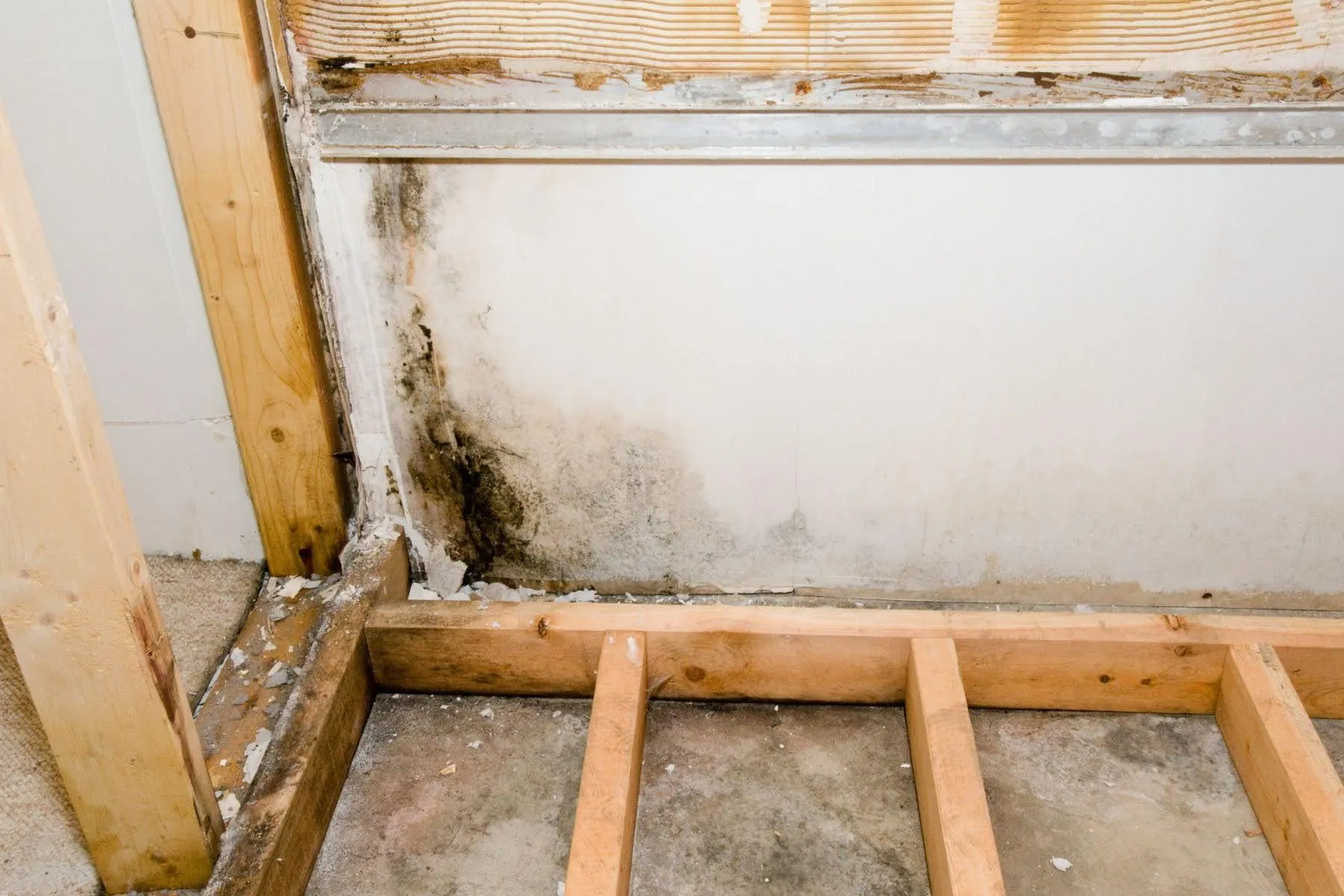
Mold is a persistent challenge throughout northwest Michigan, driven by two distinct dynamics. In year-round homes, Michigan's warm and humid summers create baseline mold growth conditions in properties with moisture vulnerabilities, and the territory's abundant snowfall and significant precipitation keep ground moisture levels elevated throughout the year. Ice dam events that force water into wall cavities and attic assemblies create mold risk in spaces that were not designed for liquid water exposure -- and in Michigan's warm summer months, mold can colonize those spaces before the next winter arrives.
For the territory's enormous inventory of vacation and seasonal properties -- the cottages, cabins, and waterfront homes on Torch Lake, Crystal Lake, Elk Lake, Higgins Lake, and throughout the region -- the mold risk is amplified by extended vacancy. A slow roof leak, a minor pipe failure, or an ice dam intrusion event that occurs while a property is closed can create mold conditions that grow undisturbed for months. By the time the owners arrive to open the property for the summer season, mold may be well established in wall cavities, attic insulation, and structural framing that are hidden behind finished surfaces. The musty smell that many northwest Michigan property owners notice when they first open a vacation home each spring is often the first sign of mold that has been growing all winter. Our certified mold remediation specialists correct the moisture source and verify complete remediation -- protecting both the property and the people who will occupy it.
Raw sewage is a Category 3 biohazard containing bacteria, viruses, and parasites that pose serious health risks to everyone in the affected property. Throughout northwest Michigan, private septic systems serve the vast majority of properties -- vacation cottages, rural year-round homes, agricultural operations, and even many communities in the region's interior counties rely on on-site septic rather than municipal systems. These systems face failure risk during the extended wet periods that northwest Michigan's spring snowmelt and significant annual rainfall create, when soils are thoroughly saturated and drain fields cannot function properly.
For seasonal properties, a septic system that has not been properly maintained or pumped before winter can fail when the property is reopened and the system faces sudden demand after months of dormancy. Our team responds 24/7 to sewage emergencies throughout the territory, regardless of the remoteness of the location or the season.
Northwest Michigan's commercial economy is built on the region's extraordinary natural assets. Tourism and hospitality are foundational -- Traverse City has grown into one of the Midwest's most popular resort destinations, and the greater northwest Michigan region draws visitors year-round for cherry season, wine tourism along the Leelanau and Old Mission Peninsulas, summer boating and beach culture on Grand Traverse Bay and the inland lakes, Sleeping Bear Dunes National Lakeshore, and winter skiing at Crystal Mountain near Thompsonville, Shanty Creek near Bellaire, and Boyne Mountain near Boyne City. The cherry industry is locally iconic -- northwest Michigan produces approximately 75 percent of the nation's tart cherry crop, and the processing facilities and agricultural infrastructure supporting that harvest represent a significant commercial sector throughout Leelanau, Grand Traverse, and surrounding counties.
Munson Medical Center in Traverse City is the region's healthcare anchor and one of northern Michigan's largest employers. Interlochen Center for the Arts adds a nationally significant cultural institution to the territory. Every hour of operational disruption in any of these sectors represents direct and measurable lost revenue. 911 Restoration of Northwest Michigan serves all of it, 24 hours a day.
When damage goes beyond surface-level cleanup, full reconstruction is the path forward. 911 Restoration of Northwest Michigan manages the entire process from initial damage assessment through final finishing work for homes and businesses throughout the territory. We handle all damage types -- from ice dam and lake-effect snow structural repairs throughout the region to Manistee River flood rebuilds, fire damage reconstruction, and mold damage remediation requiring structural framing replacement in both year-round and seasonal properties.
Our reconstruction team is experienced with the full range of building types across this diverse territory -- the year-round residential and commercial construction of Traverse City, Petoskey, Cadillac, and Manistee; the vacation cabin, cottage, and waterfront construction common throughout the lakefront and inland lake communities; the agricultural structures of the cherry and agricultural areas; and the resort and commercial construction of the ski and hospitality industry.
911 Restoration of Northwest Michigan provides certified biohazard and crime scene cleanup throughout the full territory. We work alongside law enforcement agencies, resort and vacation property management companies, and families across Traverse City, Petoskey, Cadillac, Manistee, and all surrounding communities throughout the region. Every job is handled with complete discretion, genuine compassion, and strict compliance with Michigan Department of Health and Human Services regulations governing biohazardous waste handling and disposal.
Northwest Michigan's resort and vacation rental industry creates consistent demand for rapid, discreet biohazard response -- property managers who need a property returned to safe occupancy status before the next booking require the same fast and thorough service as any year-round residential call. Our team responds promptly throughout the territory regardless of season or location.
Professional sanitization services for northwest Michigan homes, businesses, and commercial properties throughout the territory. Our EPA-approved disinfection treatments eliminate viruses, bacteria, and pathogens using hospital-grade products applied with electrostatic technology for complete surface coverage.
The territory's tourism and hospitality industry -- with high guest turnover at hotels, resorts, vacation rentals, and the area's winery tasting rooms -- creates consistent demand for professionally documented disinfection that standard cleaning cannot provide. Cherry and agricultural processing operations require documented food-safety sanitation standards. Seasonal properties that have been closed for extended periods benefit from professional pre-occupancy disinfection to ensure safe conditions before the family arrives for the season. Munson Medical Center and the regional healthcare community create consistent institutional demand.
Northwest Michigan's storm profile is defined by Lake Michigan. The lake generates the lake-effect snow that makes northwest Michigan one of the snowiest inhabited regions in the United States -- Traverse City's roughly 100 annual inches is a floor, not a ceiling, for the communities in the most active lake-effect bands. These intense snowfall accumulations create the ice dam conditions that are the dominant water damage driver throughout the territory. They also create structural load stress on rooflines, particularly on older structures and on the wide-span vacation cabins throughout the region that may not have been engineered for the full weight of an intense lake-effect event.
Lake Michigan's fall and early winter storms generate significant wave heights and the storm surge that affects properties along the lake's eastern shoreline from Manistee north through the Leelanau Peninsula. Michigan ice storms -- when freezing rain coats structures and trees -- are a recurring hazard from November through March, producing the ice accumulations that damage rooflines and freeze pipes throughout the territory. Spring delivers the snowmelt flooding that tests the Manistee River, Betsie River, and the smaller streams throughout the interior counties. Summer brings severe thunderstorms, hail, and high winds from Lake Michigan systems. Our team responds immediately to all of it, 24 hours a day, every day of the year.
We answer your call any time for properties throughout Traverse City, Petoskey, Cadillac, Manistee, Suttons Bay, Thompsonville, Rapid City, and all surrounding communities -- nights, weekends, holidays, and during active lake-effect events, ice storms, and spring flood periods.
Fast arrival is critical for ice dam damage, pipe failures, and post-storm events in northwest Michigan's severe winters. In summer, mold risk after water intrusion escalates within 24 to 48 hours. Whether it's your year-round home or your seasonal property, speed limits the damage.
Our team understands the specific challenges of this territory -- Lake Michigan lake-effect patterns, ice dam formation and water intrusion mechanics, seasonal property freeze and mold risk, the Manistee and Betsie River flooding dynamics, and the full range of construction types from year-round homes to vacation cabins and resort properties.
We understand the unique needs of northwest Michigan's resort and vacation property market -- rapid discovery and assessment, coordination with out-of-area owners, pre-season remediation timelines, and the property management relationships that make efficient restoration possible throughout the territory.
We work directly with your insurance company and handle documentation and billing on your behalf, simplifying the claims process for year-round homeowners, vacation property owners, and businesses throughout northwest Michigan.
Your neighbors in the Grand Traverse Bay region -- not a national call center. When you call, you reach a local team that knows this community, responds fast in any conditions, and stays with your project from start to finish.
Don't wait. Water damage, mold, and storm damage cause more destruction every hour. We hope you never need us, but when you do, we're ready.
Testimonials
4.9 Stars Average Rating*
Blog
Practical guidance to protect your home or business — before disaster strikes and after.