Cleaning vs. Sanitization: Why the Difference Matters
Most people use the words cleaning and sanitization interchangeably. In everyday life, that is fine. But when your property has been through water damage, a biohazard event, or a serious illness outbreak, the difference between the two is not just technical. It is the difference between a space that looks safe and one that actually is.
Here is what sets professional sanitization apart and how to know when you need it.
What Cleaning Actually Does
Cleaning removes visible dirt, dust, and debris from surfaces. It is an essential first step, but it does not eliminate bacteria, viruses, or other pathogens. A clean surface can still harbor harmful microorganisms that are invisible to the naked eye.
Everyday cleaning products are designed for routine maintenance, not for addressing contamination after a serious incident. They are not formulated to meet the standards required for true disinfection or sanitization.
What Professional Sanitization Does
Professional sanitization goes several steps further. It uses EPA-registered disinfectants, specialized equipment, and trained technicians to eliminate harmful pathogens at a level that standard cleaning simply cannot achieve.
Professional Sanitization Typically Includes
- Application of hospital-grade disinfectants to all affected surfaces
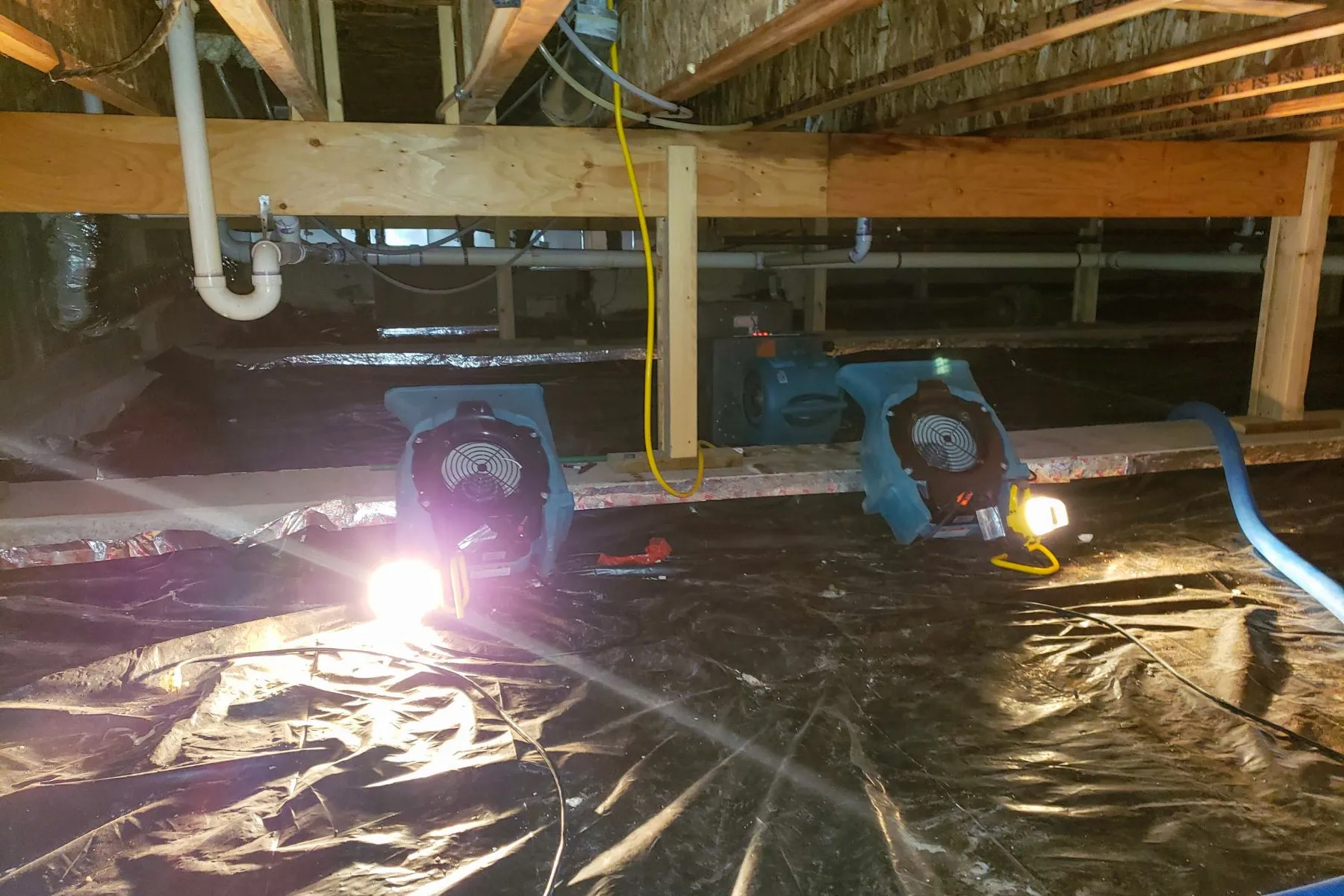
- Treatment of air quality through HEPA filtration and air scrubbing
- Targeted treatment of high-touch and high-risk areas
- Proper disposal of contaminated materials
- Documentation of the process for insurance or compliance purposes
The goal is not just a clean-looking space. It is a space that has been verified safe.
The Situations That Call for Professional Sanitization
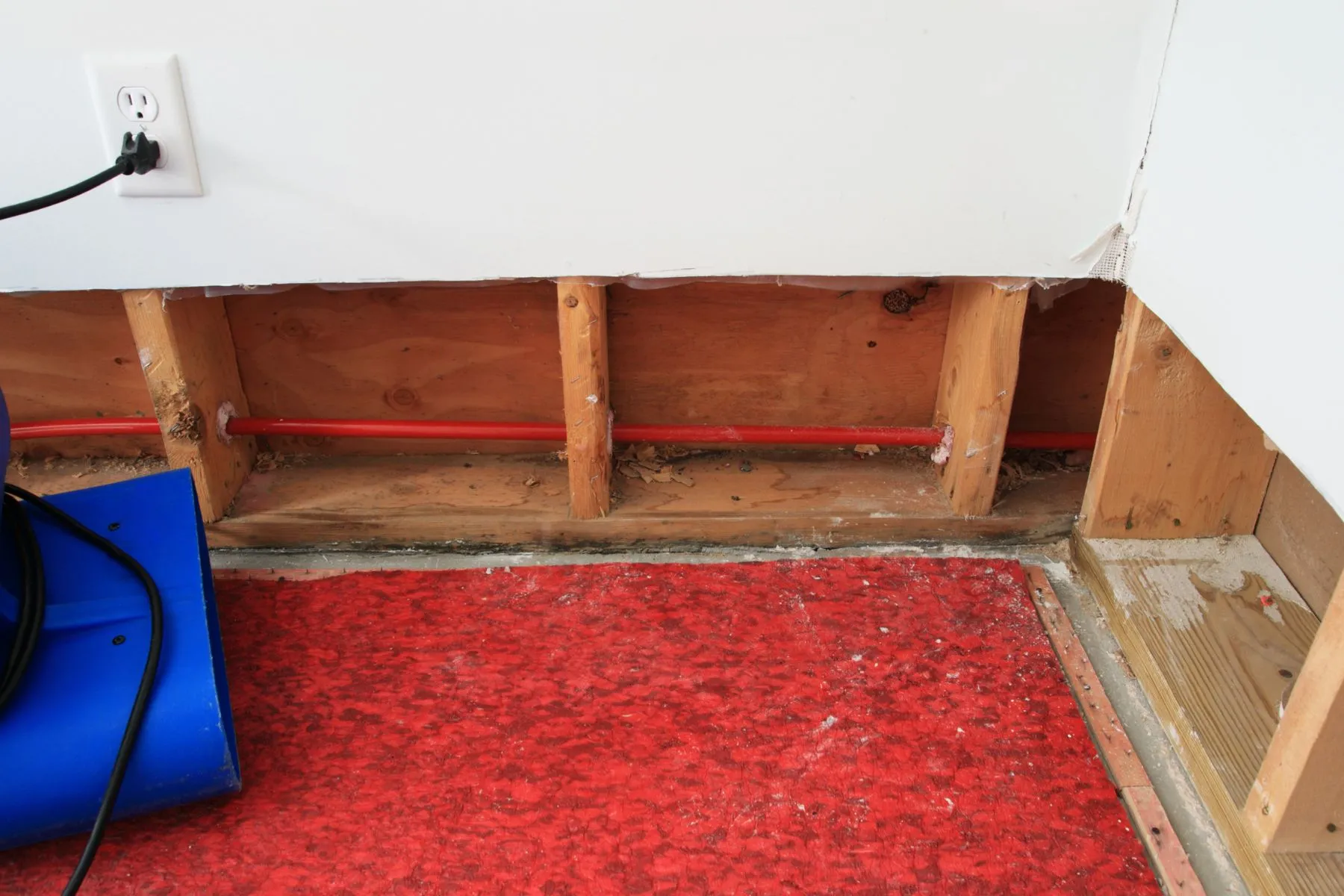
- Water damage and flooding, where bacteria and mold risk are elevated
- Sewage backups, which introduce serious biohazard contamination
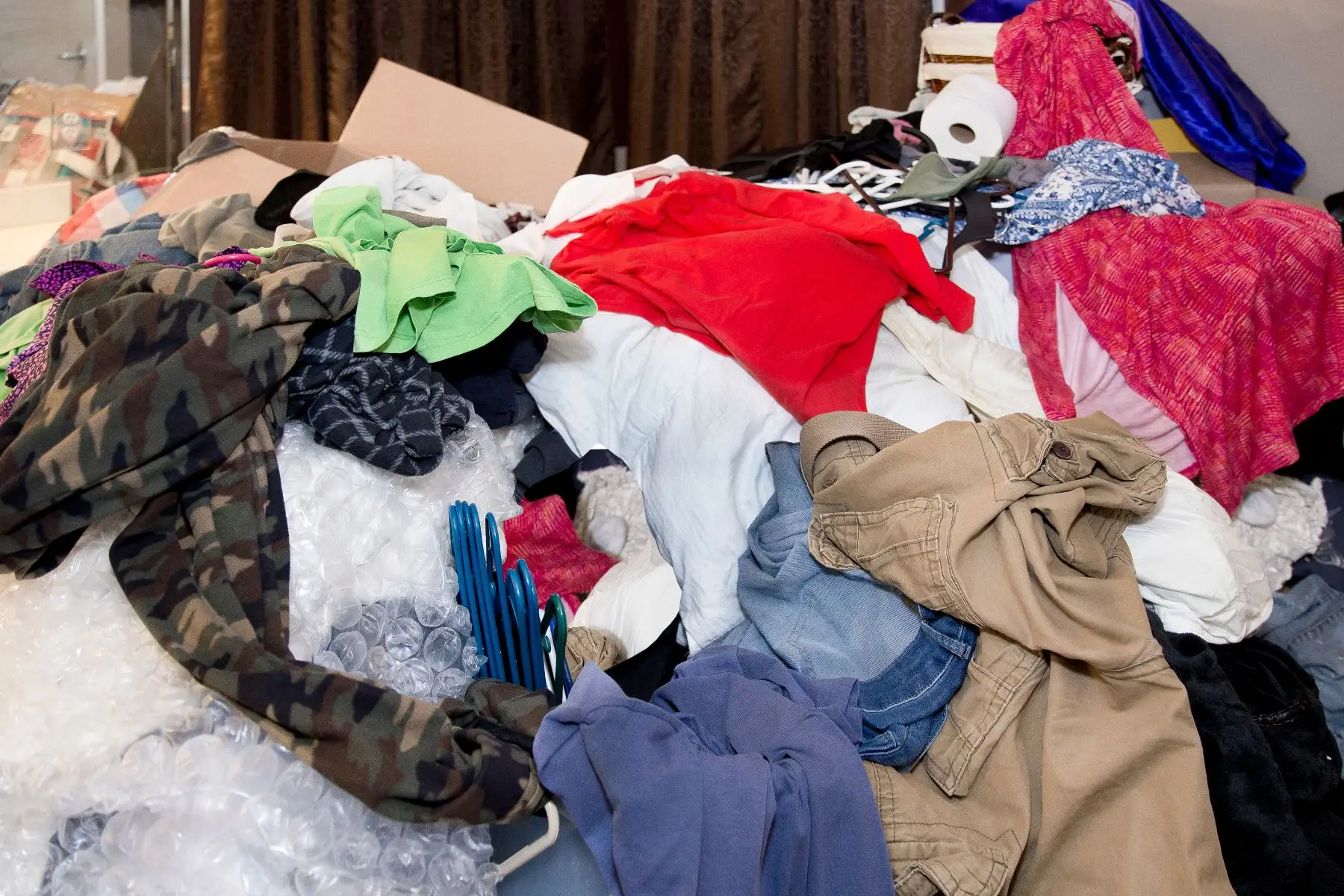
- Hoarding cleanup, where layers of debris create significant health risks
- After a crime or trauma, where biohazardous materials are present
- Illness outbreaks in homes, offices, or commercial facilities
- Post-construction cleanup, where dust and debris affect air quality
What to Expect from the Process
Thorough Assessment
A professional sanitization team will begin with a thorough assessment of the affected area before any treatment begins. This step is critical because contamination is not always visible and does not always follow predictable patterns.
Targeted Treatment
Technicians will use the appropriate products and methods for the specific type of contamination present. Every situation is different, and a one-size-fits-all approach is a red flag.
Final Walkthrough
After treatment, a reputable company will conduct a final walkthrough to confirm the space meets safety standards before clearing it for use.
Why Property Owners Choose 911 Restoration for Professional Sanitization
911 Restoration brings certified expertise and industrial-grade equipment to every sanitization job, whether it is a single room or an entire commercial facility. Technicians follow OSHA and EPA guidelines throughout the process and work directly with insurance providers to simplify claims when applicable.
The same 24/7 availability and 45-minute response time goal that applies to every 911 Restoration service applies here too. When a space needs to be safe, waiting is not an option.
What You Get
- Certified expertise and industrial-grade equipment
- OSHA and EPA guideline compliance
- Direct work with insurance providers
- 24/7 availability nationwide
- 45-minute response time goal
Schedule Professional Sanitization Services Today
A space that looks clean is not always a space that is safe. If your home or business has been through water damage, a biohazard event, an illness outbreak, or any situation that goes beyond routine cleaning, contact 911 Restoration to schedule an assessment and get the right help fast. Available 24/7 nationwide. We hope you never need us. But when you do, we are ready.