Inland Storm Damage: What Homeowners Should Know
A hurricane does not stop at the shoreline. It weakens over land and keeps moving, and the rain band that arrives inland a day later can do as much damage to a house as the wind did on the coast.
Homes well away from the water get a different version of the same storm. No surge, but saturated ground, swollen creeks, long power outages and trees coming down on soil too soft to hold them.
Here is what homeowners in central Mississippi, Middle and East Tennessee and central Arkansas should know about inland storm damage and what to do in the days after the system passes through.
Why Inland Flooding Often Arrives After the Storm
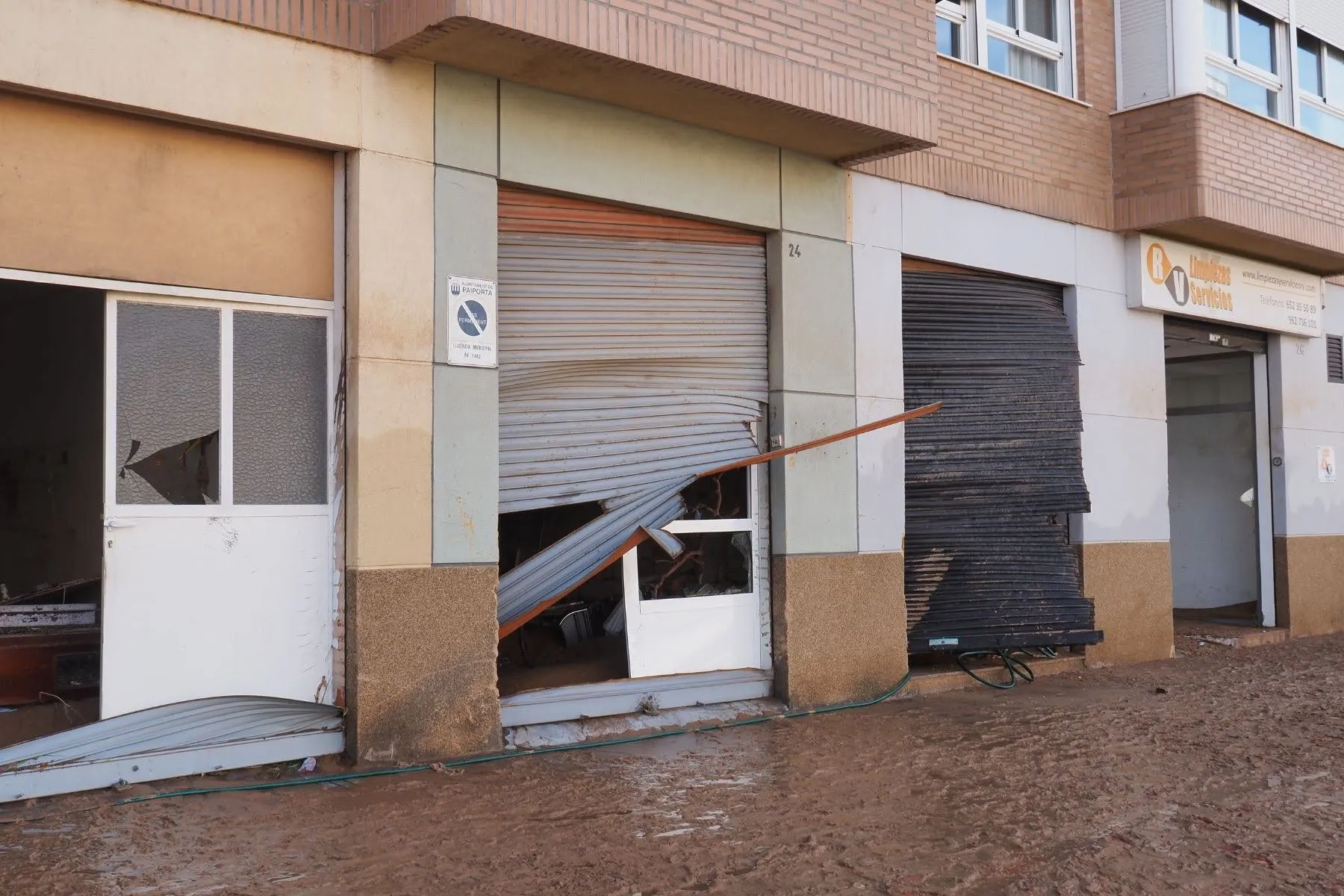
The ground is usually the deciding factor. A tropical system can drop several inches of rain in a few hours onto soil that is already wet from the days before, and that water has nowhere to go but downhill and into basements, crawl spaces and low-lying streets.
Creeks and smaller rivers crest after the rain stops, sometimes well after. A house that stayed dry during the storm itself can take water the following morning.
Wind Damage When the Ground Is Already Saturated
Trees come down more easily in soft ground. Root plates lose their grip, and a tree that handled stronger gusts in a dry month can topple in a weaker inland wind once the soil is saturated.
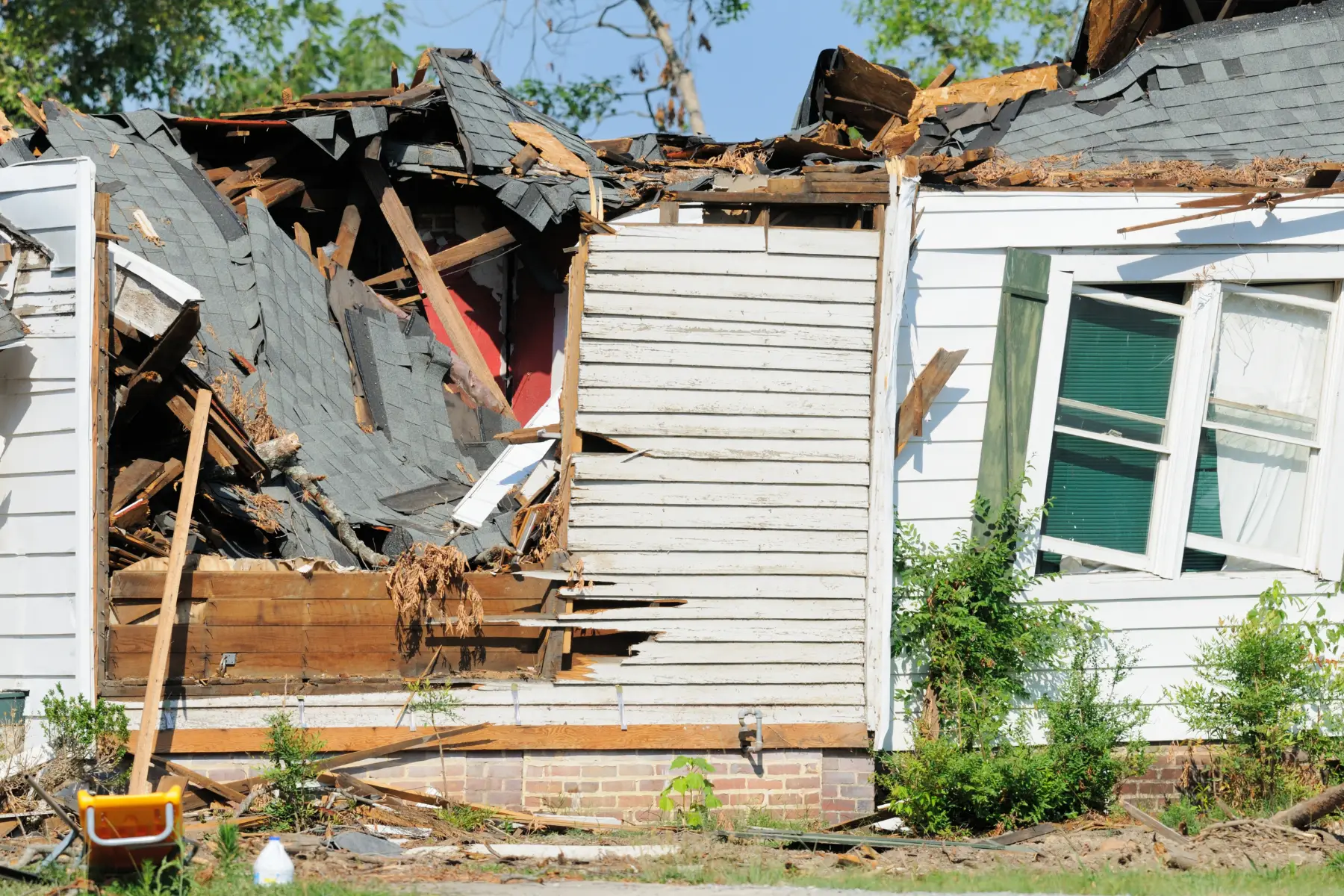
That is where a lot of inland roof damage comes from. A limb through the roof deck opens the house to every hour of rain that follows, which turns a contained repair into a whole-house water loss.
Outer rain bands from a tropical system can also produce tornadoes well inland, usually brief and narrow but capable of taking a roof off.
What to Do in the First Day After the Storm Passes
Check the Roof and Attic Before You Check Anything Else
Go into the attic with a flashlight and look for daylight, wet sheathing and damp insulation. Water entering through the roof travels along framing and can show up in a room nowhere near the actual opening. Water stains on a ceiling, a sagging patch of drywall, or bubbling paint on an upstairs wall all point to an active leak above.
Look at the Lowest Level of the House
Basements and crawl spaces take the water first. Check for standing water, a wet perimeter along the base of the walls, and a sump pump that may have run through the outage and quit. If the power was out, the pump probably was too, which is the usual reason a basement that never floods suddenly does.
Document the Damage Before You Clear Anything
Photograph each affected room, the water line, the exterior, the tree or limb if one came down, and any damaged contents. Keep receipts for tarps, fuel, a generator, lodging and anything else the emergency costs you.
Where Inland Storm Water Does the Most Damage
- Finished basements, where carpet, pad and the lower drywall absorb water and hold it
- Crawl spaces with dirt floors, where saturated soil keeps evaporating moisture up into the floor system long after the standing water is gone
- Attics and upper ceilings, from roof openings made by wind or falling limbs
- Floors over crawl spaces, which cup and buckle as moisture comes up from below
- Mechanical equipment, including furnaces, water heaters and electrical panels that sat in water
How Professional Water Damage Restoration Works Inland
Emergency tarping and board-up
Any roof opening is covered first, so the structure stops taking on water while drying begins.
Water extraction
Standing water is pumped and extracted. In a crawl space or basement the level is brought down gradually when the surrounding ground is still saturated.
Selective demolition
Wet drywall, insulation and flooring are removed, with cuts made above the visible water line because water wicks upward through the material.
Structural drying
Air movers and dehumidifiers run on the affected areas, with a dedicated unit placed in a crawl space rather than relying on equipment upstairs.
Monitoring
Moisture readings are taken daily on framing and subfloor, and the equipment stays until the readings return to the normal dry level for that house.
Repairs
Flooring, drywall and finishes are rebuilt once the structure reads dry.
Mold After Inland Flooding
Mold can start inside a wall cavity within a few days of flooding, depending on temperature and how wet the materials stayed. Humid conditions after a tropical system keep materials wet longer than a normal rainstorm would.
A crawl space is the most common place for it to go unnoticed, since nobody looks down there until there is a smell in the house above.
A mold inspection a couple of weeks after the water recedes can catch growth while removal is still a small job.
Reducing the Risk Before the Next Tropical System
- A battery backup on the sump pump keeps it running through the outage that usually comes with the storm.
- Clearing gutters and extending downspouts away from the foundation moves roof water off before it pools against the house.
- Trimming limbs that overhang the roof lowers the chance of one coming through during a wind event on saturated ground.
911 Restoration: 24/7 Storm Damage Response Across the Mid-South
911 Restoration handles inland storm and water damage across central Mississippi through Jackson, Madison, Ridgeland, Brandon and Vicksburg, Middle Tennessee through Nashville, Franklin, Brentwood, Murfreesboro and Smyrna, the Chattanooga area including Hixson, Ooltewah, East Brainerd and Signal Mountain, and central Arkansas through Little Rock, North Little Rock, Conway, Cabot and Benton.
Crews are available 24 hours a day, with a typical arrival goal of 45 minutes. After a widespread storm, arrival depends on road conditions and how many emergencies are open at once.
Board-up, water removal, structural drying, sanitizing and reconstruction are handled by the same team, so there is one point of contact from the first call through to a finished home.
Storm Damage? Call 911 Restoration
Contact 911 Restoration for 24/7 emergency service.